
Authentic Ropa Vieja: The Ultimate Cuban Shredded Beef Stew Recipe
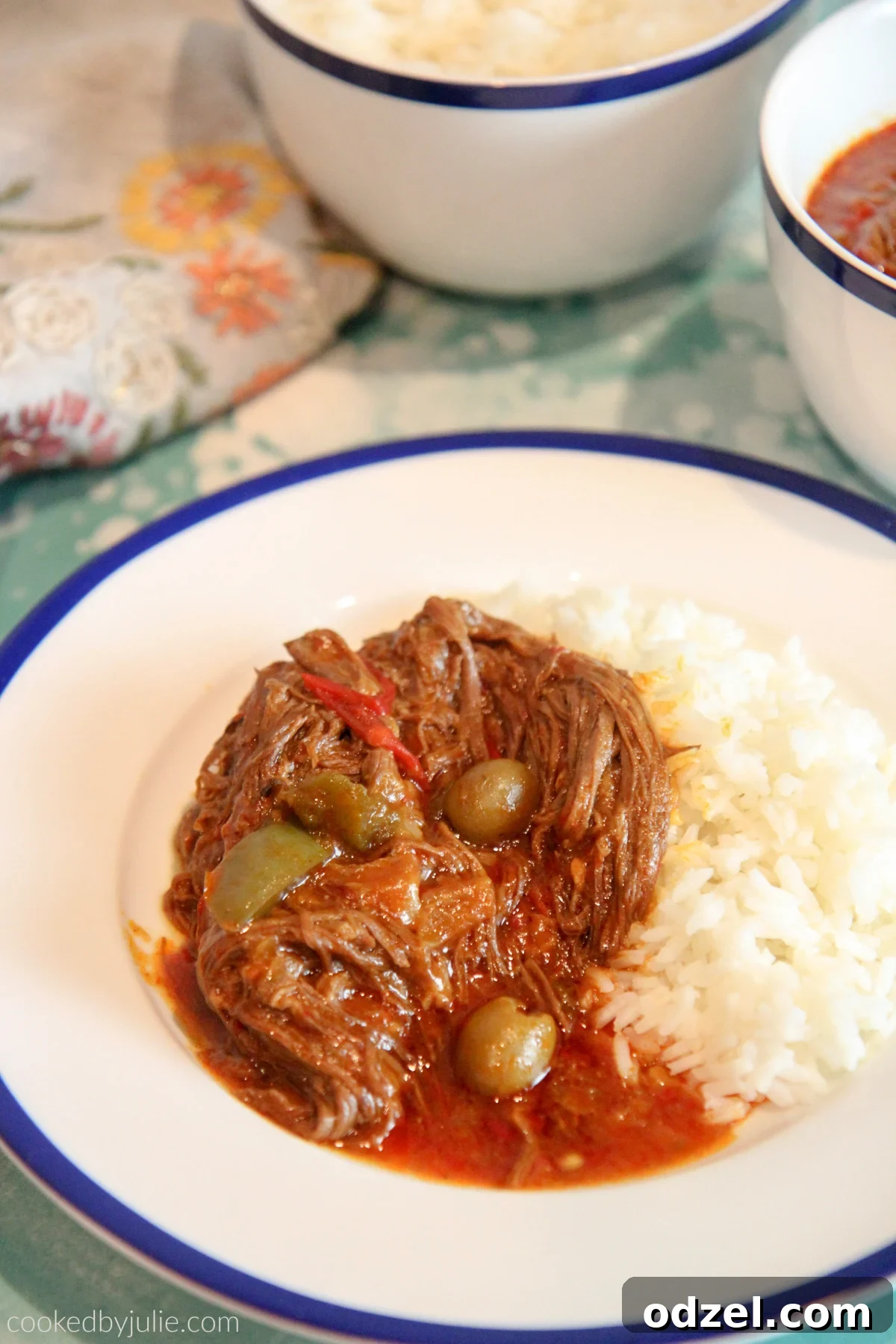
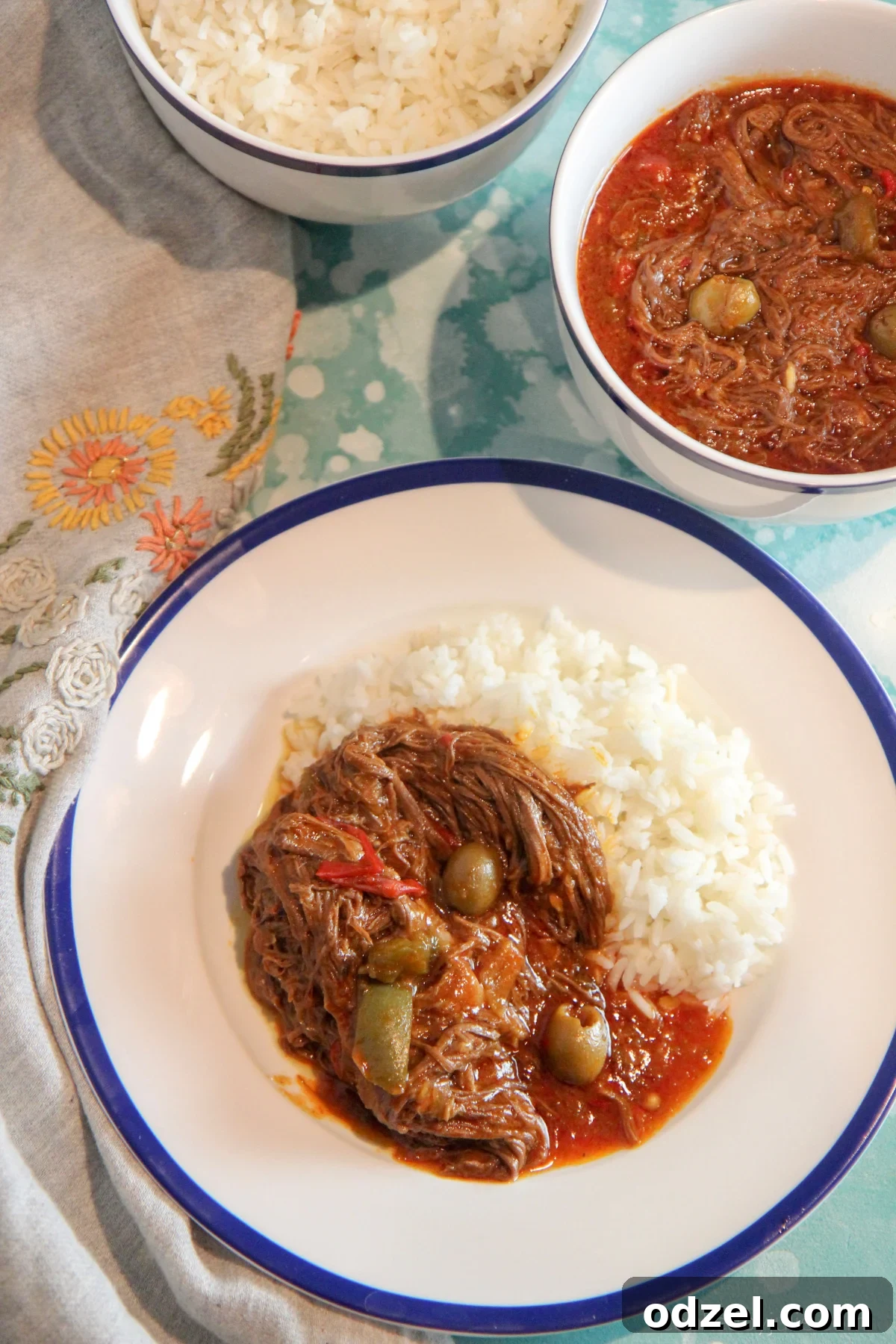
Ropa Vieja, a name that delightfully translates to “old clothes” in Spanish, is so much more than its whimsical moniker suggests—it is the cherished national dish of Cuba and a beloved staple across the globe. This iconic stew captivates with its incredibly tender, succulent shredded beef, masterfully simmered in a rich, savory tomato broth. The dish is brought to life with the addition of colorful bell peppers, aromatic garlic, sweet onions, and a perfectly balanced blend of traditional Cuban spices. Ropa Vieja offers an unparalleled culinary experience, promising a hearty and comforting meal that resonates with the soulful essence of authentic Cuban cooking. Its widespread popularity is a testament to its irresistible flavor and comforting appeal, making it a firm favorite for family meals and celebrations alike.
Hands down, Ropa Vieja stands as my ultimate favorite Cuban dish. While I also hold a special affection for other Cuban delights, such as the savory Bistec Encebollado (Cuban Steak and Onions), it’s the profound comfort and rich flavor of Ropa Vieja that I truly crave, especially on crisp winter evenings. This recipe is a precious heirloom, lovingly passed down from my grandmother, who, in her traditional wisdom, always preferred using brisket for its deep, robust flavor. However, I’ve found that flank steak performs equally well in this recipe, offering a more convenient and quicker-cooking alternative without compromising on the authentic taste. Whichever cut you choose, be it flank steak or brisket, you are guaranteed a tender, deeply flavorful stew that captures the very heart of Cuban culinary tradition.
Beyond its incredible taste and comforting warmth, Ropa Vieja is also a remarkably versatile meal, fitting seamlessly into various dietary preferences. For those seeking healthy and satisfying options, it serves as an excellent low-carb and keto-friendly choice. Simply pair it with a side of cauliflower rice or a fresh, crisp salad, and you have a nutritious and deliciously compliant meal.
The Fascinating Origin and Cultural Significance of Ropa Vieja
The intriguing name “Ropa Vieja” directly translates to “old clothes,” a whimsical moniker that has fueled many legends. One popular tale recounts a poor man who, with nothing else to feed his hungry family, prayed over a pot of shredded old clothes and miraculously transformed them into a delicious stew. While a heartwarming fable, culinary historians suggest the name more likely refers to the visual resemblance of the long, tender strands of slow-cooked beef to worn-out fabric. Regardless of its exact origin, Ropa Vieja has become a symbol of Cuban resilience and resourcefulness, showcasing the ability to create something extraordinary from humble ingredients. Its roots trace back to medieval Spain, particularly the Canary Islands, where a similar stew existed. As Spanish colonists brought their culinary traditions to Cuba, the dish evolved, incorporating local ingredients and African influences, cementing its status as a beloved national dish and a proud representation of Cuba’s rich cultural tapestry.
Mastering the Art of Ropa Vieja: Essential Tips for Success
Creating a truly exceptional Ropa Vieja is a delightful culinary journey. Here are invaluable tips to guide you in achieving a stew that is consistently tender, deeply flavorful, and utterly unforgettable:
- Selecting the Perfect Cut of Beef: The choice of meat is paramount for Ropa Vieja. While boneless flank steak is an excellent and popular choice due to its lean nature and ability to shred beautifully, traditionalists often favor brisket. Brisket, with its higher fat content, yields an even richer flavor and a melt-in-your-mouth tenderness when slow-cooked. Consider your preference for richness and cooking time when making your selection.
- The Foundation of Flavor: The Sofrito: Do not rush the sofrito! This aromatic base, consisting of finely diced onions, vibrant bell peppers, and pungent garlic, is the soul of most Cuban dishes. Sautéing these ingredients gently until they are softened and fragrant allows their sweet and savory notes to develop fully, building a complex flavor profile for your stew.
- Embrace Authentic Cuban Spices: The distinctive taste of Ropa Vieja comes from its signature spice blend. Generously incorporate oregano for its earthy notes, cumin for warmth, granulated garlic for depth, and Sazón for its characteristic savory, umami flavor and beautiful color. Adjusting these spices to your taste is key to personalizing your stew.
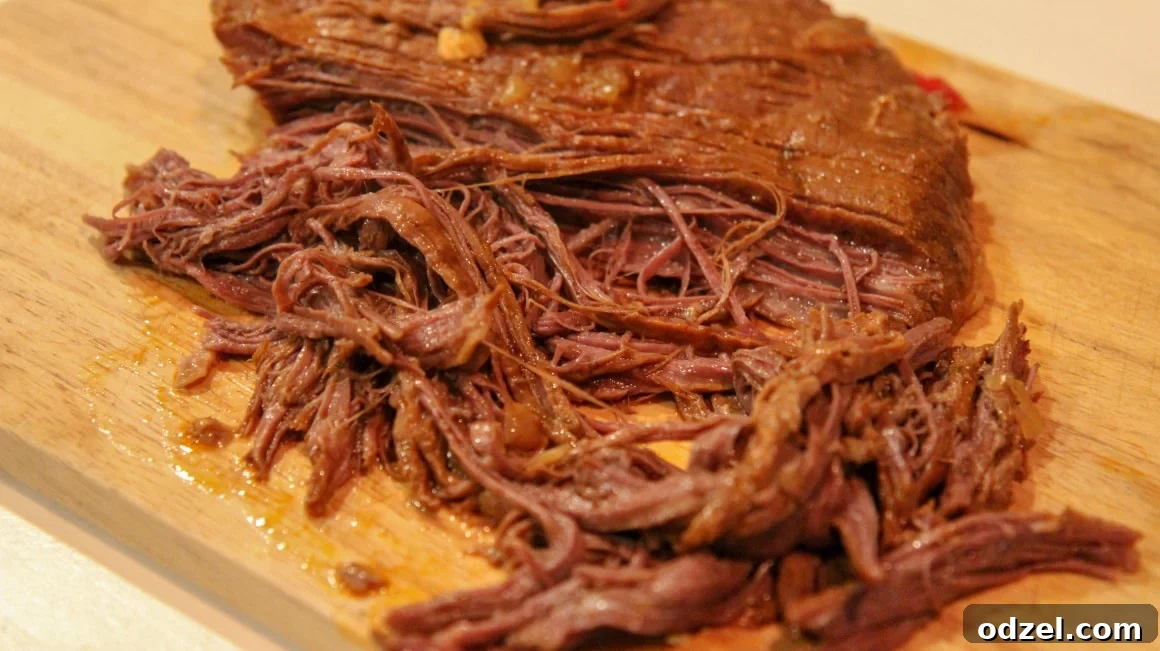
- Perfecting the Shred: After cooking, the beef should be incredibly tender, almost falling apart. Transfer it to a cutting board and use two forks to pull the meat apart, working against the grain to create long, delicate strands. If you find some strands are excessively long, a quick and gentle chop with a knife will ensure every bite is perfectly manageable.
- The Art of Simmering: The final simmering stage after the beef is shredded and returned to the pot with the olives is critical. This period allows all the magnificent flavors to marry and deepen, transforming the broth into a rich, cohesive sauce. It also helps the sauce to naturally thicken, clinging beautifully to the shredded beef. Stir occasionally to prevent sticking and ensure even distribution of flavors.
- Balancing Sweetness and Acidity: The tomato base can sometimes benefit from a touch of sweetness to balance its acidity. As noted in traditional Cuban recipes, adding a small amount of sugar (about 1/2 tsp) or even a spoonful of ketchup during the final simmer can enhance the overall flavor and create a more harmonious profile.
- Adjusting Seasoning to Taste: Always taste your stew before serving. The saltiness from the olives and Sazón can vary, so it’s essential to adjust the salt and pepper levels to achieve your desired flavor balance.
The Building Blocks of Flavor: Essential Ingredients for Ropa Vieja
The magic of Ropa Vieja is crafted from a thoughtful selection of ingredients, each playing a crucial role in creating its complex and satisfying flavor profile. Here’s a comprehensive list of what you’ll need, along with insights into their contribution:
- Boneless Flank Steak (2 lbs): The star of the show. Flank steak, when slow-cooked or pressure-cooked, breaks down into exquisite, tender shreds, perfect for soaking up the rich sauce. Other excellent choices include skirt steak or, for a more traditional and richer result, beef brisket.
- Small Onion (1, diced): Forms the sweet and aromatic base of the sofrito, essential for depth of flavor.
- Green Bell Pepper (1, sliced): Contributes a fresh, slightly piquant note, adding a classic element to the Cuban flavor profile.
- Red Bell Pepper (1, sliced): Offers a sweeter counterpoint to the green pepper, enhancing the stew’s visual appeal and sweetness.
- Fresh Garlic Cloves (5, finely minced): An absolute cornerstone of Cuban cooking, fresh garlic infuses the entire dish with its pungent, warm aroma and distinctive taste.
- Oregano (1 tsp): Provides an earthy, slightly bitter, and peppery undertone that is fundamental to the herb blend.
- Cumin (1/2 tsp): Essential for the signature warm, savory, and slightly smoky flavor that defines authentic Cuban cuisine.
- Granulated Garlic (1 tsp): Adds another layer of concentrated garlic flavor, ensuring a robust garlicky presence throughout the stew.
- Sazón (2 tsp): A vibrant Latin American seasoning blend, often containing annatto (for color), garlic, cumin, and coriander. It’s key for both authentic flavor and the beautiful reddish hue of the stew.
- Bay Leaves (2): These aromatic leaves subtly infuse the broth with a delicate, herbal fragrance, adding complexity during the long cooking process.
- Sofrito (2 tbsp): A shortcut to authentic flavor, pre-made sofrito is a cooked base of aromatic vegetables like peppers, onions, and garlic, often with tomatoes and herbs. It deepens the Cuban essence of the stew.
- Dry White Wine (1/2 cup): Used for deglazing, the wine adds a touch of acidity and a subtle fruity note, enhancing the overall depth of the broth. Pinot Grigio or Sauvignon Blanc are excellent choices.
- Tomato Sauce (16 ounces): This forms the foundational liquid and provides the rich, tangy, and slightly sweet base for the stew.
- Water (1 1/2 cups): Necessary to create enough liquid for pressure cooking and to form the perfect consistency of the stew’s broth.
- Olives (3-4 tbsp): Pitted green Spanish olives, often stuffed with pimientos, are a crucial addition. Their briny, salty punch cuts through the richness of the stew, adding a burst of brightness and a distinct Cuban touch.
- Salt and Pepper (to taste): The fundamental seasonings, essential for balancing and elevating all the other flavors to their peak.
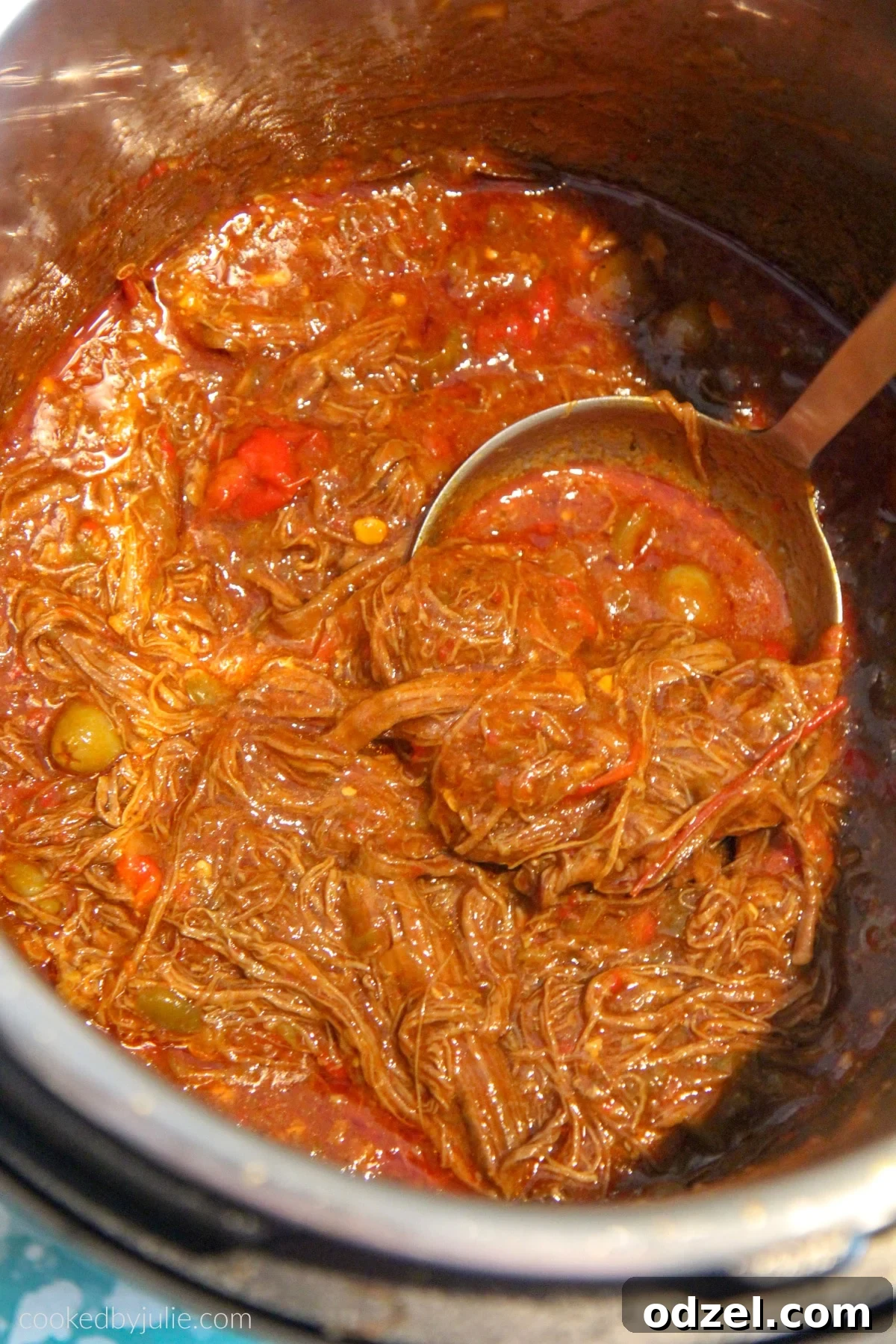
Step-by-Step Guide: Crafting Your Instant Pot Ropa Vieja
The Instant Pot makes preparing Ropa Vieja remarkably easy and significantly cuts down on cooking time, allowing you to enjoy this delicious Cuban classic faster. Here’s how to create this dish to perfection:
- Initiate Sauté Mode: Start by pressing the “Sauté” function on your Instant Pot. Add 1-2 tablespoons of olive oil to the inner pot. Once the oil shimmers and is hot, add the diced onions and sliced red and green bell peppers. Sauté for 2-3 minutes, stirring frequently, until they begin to soften and release their fragrant aromas. This step is vital for developing the flavor foundation.
- Build Aromatic Layers: Next, stir in the finely minced fresh garlic, prepared sofrito, Sazón seasoning, cumin, oregano, and granulated garlic. Continue to sauté for another minute, stirring constantly to prevent the garlic from burning. This allows the spices to bloom and release their full, rich flavors.
- Create the Flavorful Broth: Pour in the tomato sauce, dry white wine, and water. Add the bay leaves. Season the mixture generously with salt and black pepper to your taste. Stir everything together thoroughly, ensuring you scrape the bottom of the pot to loosen any browned bits, which adds extra flavor and helps prevent a “burn” notice.
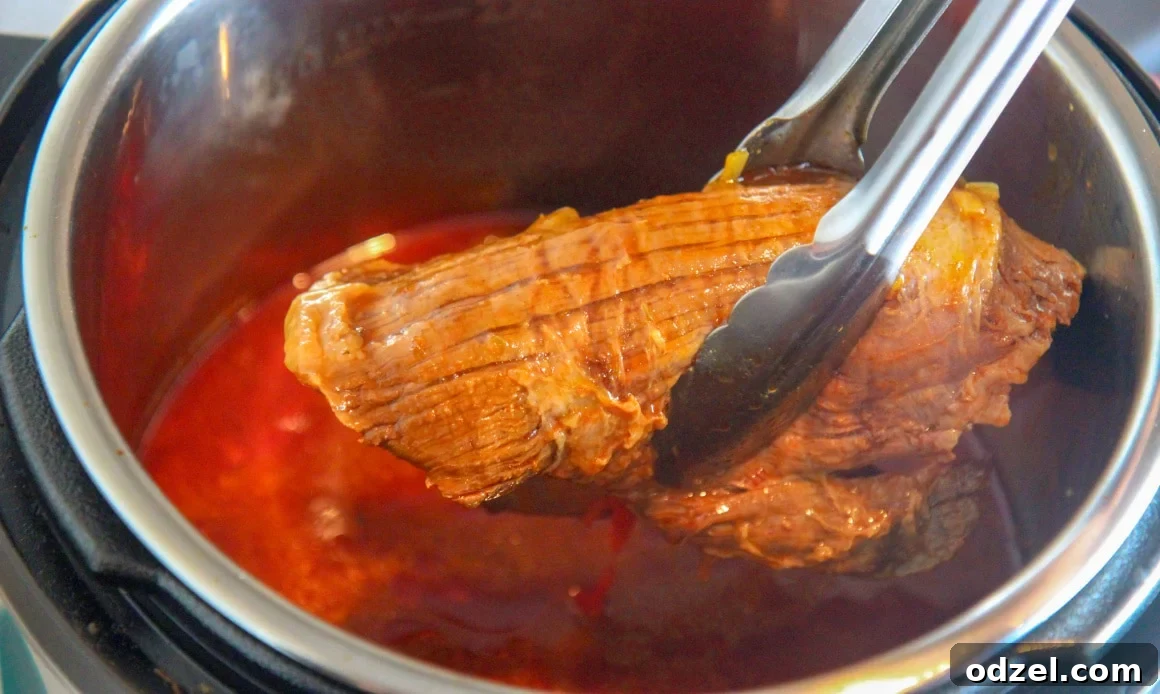
- Introduce the Beef: Carefully place the boneless flank steak into the Instant Pot, pressing it down gently to ensure it is mostly submerged in the aromatic tomato and spice mixture. It’s crucial for even cooking.
- Pressure Cook to Tenderness: Secure the Instant Pot lid, making sure the sealing valve is set to the “Sealing” position. Select the “Pressure Cook” (or “Manual”) function and set the cooking time for 40 minutes on high pressure. The pot will take some time to come to pressure before the cooking countdown begins.
- Natural Release and Shred: Once the 40-minute cooking cycle is complete, allow the Instant Pot to natural release pressure for at least 10-15 minutes. This natural release process helps the meat to become even more tender and prevents it from drying out. After 10-15 minutes, carefully quick-release any remaining pressure. Once the pin drops, cautiously open the lid. Remove the tender flank steak and place it on a clean cutting board. Using two forks, shred the beef against the grain into long, appealing strands. If any pieces are too large, a quick chop with a knife will help.
- Final Simmer and Flavor Infusion: Return the beautifully shredded beef to the Instant Pot, stirring it into the rich tomato broth. Add the olives. Press the “Sauté” function once more and bring the stew to a gentle simmer. Continue to cook for an additional 30 minutes, stirring occasionally. This crucial step allows the flavors to meld and deepen beautifully, while the sauce thickens to a perfect consistency, coating every strand of beef.
- Taste, Adjust, and Serve: Before serving, taste the Ropa Vieja and adjust the seasoning with additional salt and pepper if necessary to achieve your desired flavor balance. Serve immediately with your preferred accompaniments and savor this authentic Cuban delight.
Stovetop and Slow Cooker Alternatives for Your Ropa Vieja
For those who prefer traditional cooking methods, Ropa Vieja can be prepared with equally delicious results on the stovetop or in a slow cooker:
- Stovetop Method: Execute steps 1-4 in a large, heavy-bottomed Dutch oven or pot. After adding the steak and liquids, bring the mixture to a boil. Reduce the heat to a very low simmer, cover the pot tightly, and cook for approximately 2.5 to 3 hours, or until the beef is exquisitely fork-tender. Monitor the liquid level and add a splash more water or beef broth if the sauce reduces too much. Once tender, proceed with steps 7-8 for shredding and the final simmer.
- Slow Cooker Method: Begin by sautéing the aromatics and spices (steps 1-2) in a separate skillet. Transfer this flavorful base to your slow cooker insert. Add the tomato sauce, white wine, water, bay leaves, seasonings, and the flank steak. Cook on the low setting for 6-8 hours, or on the high setting for 3-4 hours, until the beef shreds effortlessly. Remove the beef to shred, then return it to the slow cooker with the olives. Continue cooking for another 30 minutes on high or 1 hour on low to allow the sauce to thicken and flavors to fully meld.
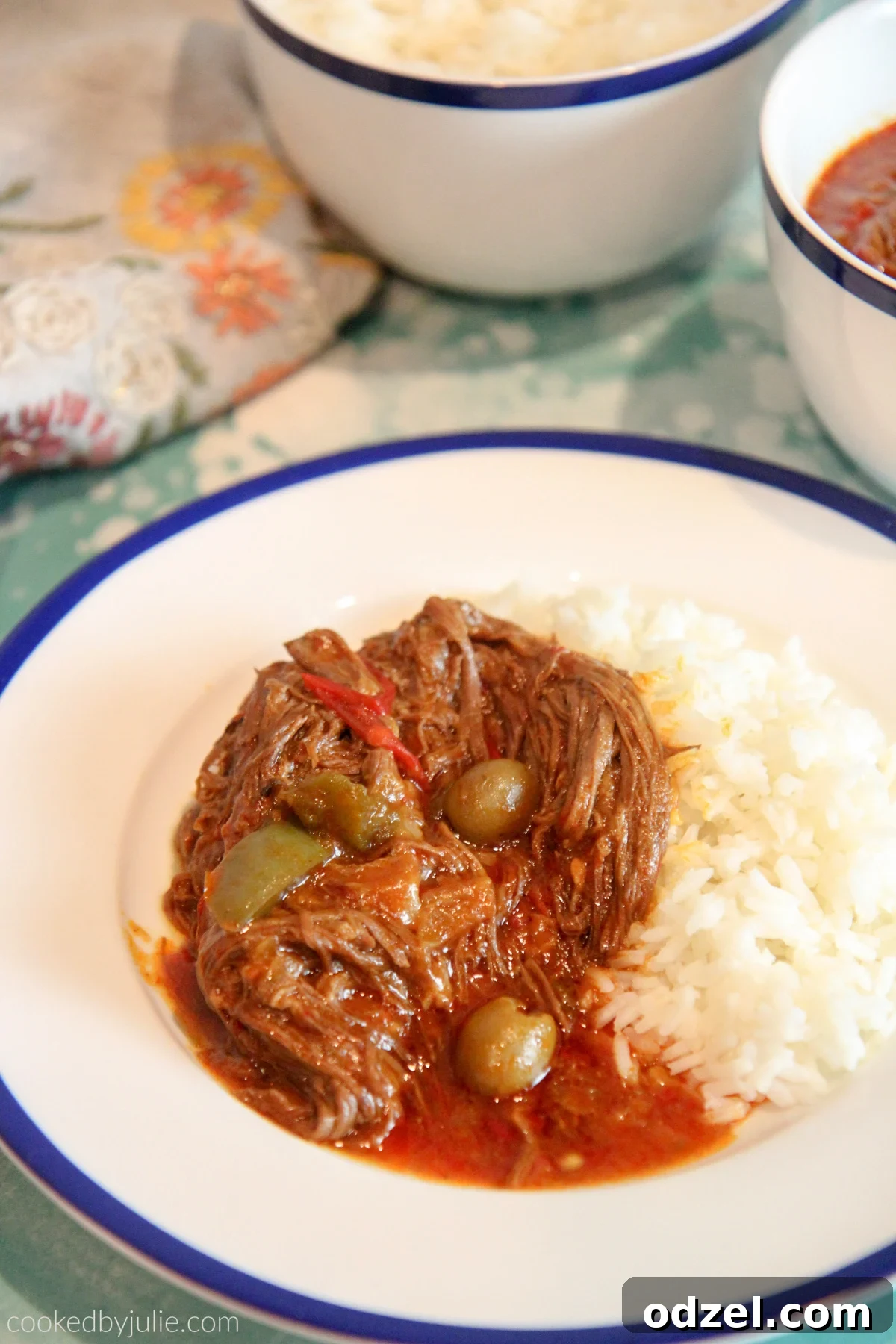
The Perfect Accompaniments: What to Serve with Ropa Vieja
Ropa Vieja is a culinary star on its own, but its flavors are truly amplified when served alongside traditional Cuban side dishes. These pairings create a harmonious and authentic dining experience that celebrates the vibrant tastes of Cuba:
- Fluffy White Rice: The quintessential accompaniment. Its mild flavor and soft texture make it the perfect canvas for soaking up every drop of the rich, savory Ropa Vieja sauce.
- Cuban Black Beans: Another cornerstone of Cuban cuisine. These deeply flavorful beans, often simmered with their own sofrito, provide an earthy contrast and delightful texture.
- Fried Plantains: A must-have! Choose sweet maduros (ripe, fried plantains) for a wonderful caramelized sweetness that balances the savory stew, or crispy tostones (twice-fried green plantains) for a salty, textural crunch.
- Yuca con Mojo: Boiled or fried yuca (cassava root) bathed in a vibrant garlicky citrus sauce (mojo) offers a starchy, satisfying side that is truly authentic.
- Fresh Avocado Salad: A simple salad featuring slices of ripe avocado, thinly sliced red onion, and a light lime vinaigrette provides a refreshing and creamy counterpoint to the richness of the stew.
- Warm Tortillas or Crusty Bread: Ideal for mopping up any remaining, delectable sauce from your plate, ensuring no flavor is left behind.
Preparing Ahead and Storage: Maximise Your Ropa Vieja Enjoyment
One of the many charms of Ropa Vieja is that its flavors often deepen and improve after a day or two, making it an ideal dish for meal preparation or for cooking in advance when entertaining guests. Enjoying leftovers is almost as good as the first serving!
- Refrigeration: Any leftover Ropa Vieja should be transferred to an airtight container and can be safely stored in the refrigerator for up to 3-4 days. The flavors will continue to meld and mature, often making it taste even better.
- Freezing: Ropa Vieja freezes exceptionally well, making it a fantastic option for future quick meals. Once the stew has completely cooled to room temperature, transfer it to freezer-safe containers or heavy-duty freezer bags, removing as much air as possible to prevent freezer burn. It can be stored in the freezer for up to 3 months. For best results, thaw overnight in the refrigerator before reheating.
- Reheating: To reheat, gently warm the Ropa Vieja on the stovetop over medium-low heat, stirring occasionally, until it is heated through thoroughly. If the sauce has thickened too much during storage, you may wish to add a splash of water or beef broth to restore its ideal consistency. It can also be reheated successfully in the microwave, though stovetop reheating often provides a more even warmth and retains moisture better.
Dietary Adaptations and Flavor Variations for Your Ropa Vieja
Ropa Vieja is a naturally adaptable dish that can be tweaked to suit various dietary needs and preferences, allowing everyone to enjoy its incredible flavors:
- Low-Carb and Keto Friendly: As highlighted, this recipe is inherently low in carbohydrates. To maintain its low-carb status, simply serve it with alternatives to traditional rice and plantains, such as cauliflower rice, steamed green beans, or a vibrant mixed green salad.
- Introducing a Spicy Kick: While traditionally not a spicy dish, those who enjoy heat can easily add a fiery element. Incorporate a pinch of red pepper flakes with the other spices during the sautéing stage, or add a finely diced jalapeño or serrano pepper along with the bell peppers for a fresh, zesty heat.
- Boosting Vegetable Content: Feel free to enhance the nutritional value and texture of your Ropa Vieja by adding extra vegetables. Cubed carrots or peas can be added during the final simmering stage. If you don’t mind increasing the carb count, small diced potatoes can also be a delicious addition.
- Exploring Different Meat Options: While flank steak and brisket are the classic choices, adventurous cooks might experiment with other cuts like chuck roast, which offers a similar tenderness when slow-cooked. For a complete departure from tradition, some even explore using pork shoulder for a different take on a shredded meat stew, although it would then technically no longer be Ropa Vieja.
Frequently Asked Questions About the Cuban Classic: Ropa Vieja
- What does “Ropa Vieja” mean?
- The name “Ropa Vieja” translates from Spanish to “old clothes.” This whimsical name is said to originate from the dish’s appearance, where the shredded strands of beef resemble worn or tattered fabric.
- What is the best cut of beef to use for Ropa Vieja?
- Boneless flank steak is a popular and excellent choice due to its lean nature and ability to shred beautifully into tender strands. Brisket is also a highly recommended and more traditional option, offering a richer flavor and a melt-in-your-mouth texture when slow-cooked or pressure-cooked.
- Can I prepare Ropa Vieja in advance?
- Absolutely! Ropa Vieja is an ideal dish for meal preparation as its flavors tend to deepen and become even more robust after a day or two. You can cook it ahead of time and store it in an airtight container in the refrigerator for 3-4 days.
- Can Ropa Vieja be frozen?
- Yes, Ropa Vieja freezes exceptionally well. Once completely cooled, transfer the stew to freezer-safe containers or heavy-duty freezer bags. It can be stored in the freezer for up to 3 months, making it perfect for quick, future meals.
- What are the best side dishes to serve with Ropa Vieja?
- Traditional accompaniments include fluffy white rice, savory Cuban black beans, sweet fried plantains (maduros), crispy twice-fried green plantains (tostones), yuca con mojo (boiled or fried yuca with garlic sauce), or a simple, refreshing avocado salad.
- Is Ropa Vieja a spicy dish?
- Traditionally, Ropa Vieja is not spicy. Its flavor profile relies on the aromatic depth of its sofrito and the rich blend of Cuban spices like cumin and oregano. However, you can certainly add a touch of heat, such as red pepper flakes or a diced jalapeño, if you prefer a spicier version.
More Cuban Recipes to Savor and Explore
If the rich and comforting flavors of Ropa Vieja have captured your heart, you’re undoubtedly ready to delve deeper into the vibrant and diverse world of Cuban cuisine. Here are a few more exceptional Cuban recipes that promise to delight your palate and transport you to the heart of the island’s culinary traditions:
- Instant Pot Arroz con Leche (Rice Pudding): Indulge in a creamy, sweet, and comforting rice pudding, made effortlessly in your Instant Pot. It’s the perfect end to any Cuban meal or a delightful treat on its own.
- 15-Minute Cuban Black Beans: A quick yet incredibly flavorful side dish that is a staple in Cuban households. These robust black beans are the ideal accompaniment to almost any Cuban entrée.
- Picadillo Cubano con Papas (Cuban Ground Beef Hash with Potatoes): A savory and satisfying ground beef hash generously studded with tender potatoes, seasoned to perfection. It’s a hearty and versatile dish, excellent for lunch or dinner.
- Cuban Carne con Papa (Beef and Potato Stew): Another classic Cuban comfort food, this hearty beef and potato stew is simmered in a rich tomato-based sauce, creating a deeply satisfying and easy-to-make meal for the whole family.
Ropa Vieja
Julie Maestre
5 mins
40 mins
45 mins
4 servings
Ingredients
- 2 lbs boneless flank steak
- 1 small onion, diced
- 1 green bell pepper, sliced
- 1 red bell pepper, sliced
- 5 garlic cloves, finely minced
- 1 tsp oregano
- 1/2 tsp cumin
- 1 tsp granulated garlic
- 2 tsp sazon
- 2 bay leaves
- 2 tbsp sofrito
- 1/2 cup dry white wine
- 16 ounces tomato sauce
- 1 1/2 cups water
- 3-4 tbsp olives
- salt and pepper to taste
Instructions
-
Press the saute function on your instant pot and add some oil.
-
Once the oil gets hot, add the onions and peppers and cook for 2-3 minutes.
-
Stir in the fresh garlic, sofrito, sazon, cumin, oregano, and granulated garlic.
-
Add the tomato sauce, dry white wine, water, bay leaves, and season with salt and pepper.
-
Add the flank steak and make sure the flank steak is covered with the tomato and water mixture.
-
Seal the lid and press the pressure cook function. Cook for 40 minutes.
-
Once the 40 minutes are up, release all of the steam before opening.
-
Place the flank steak on a cutting board and shred using 2 forks.
-
Place the shredded beef back into the instant pot.
-
Add the olives.
-
Press the saute function and cook for an additional 30 minutes, stirring occasionally.
-
Once the tomato broth thickens, check for seasoning, and serve immediately.
Notes
Nutrition
Carbohydrates: 16g |
Protein: 51g |
Fat: 12g |
Saturated Fat: 4g |
Cholesterol: 136mg |
Sodium: 1041mg |
Potassium: 1381mg |
Fiber: 4g |
Sugar: 8g |
Vitamin A: 1575IU |
Vitamin C: 73mg |
Calcium: 113mg |
Iron: 6mg
Nutrition information is automatically calculated, so should only be used as an approximation.
Additional Info
Julie Maestre
5 minutes
40 minutes
45 minutes
Entree
Cuban
4 servings
412
Instant Pot Ropa Vieja, Ropa Vieja