
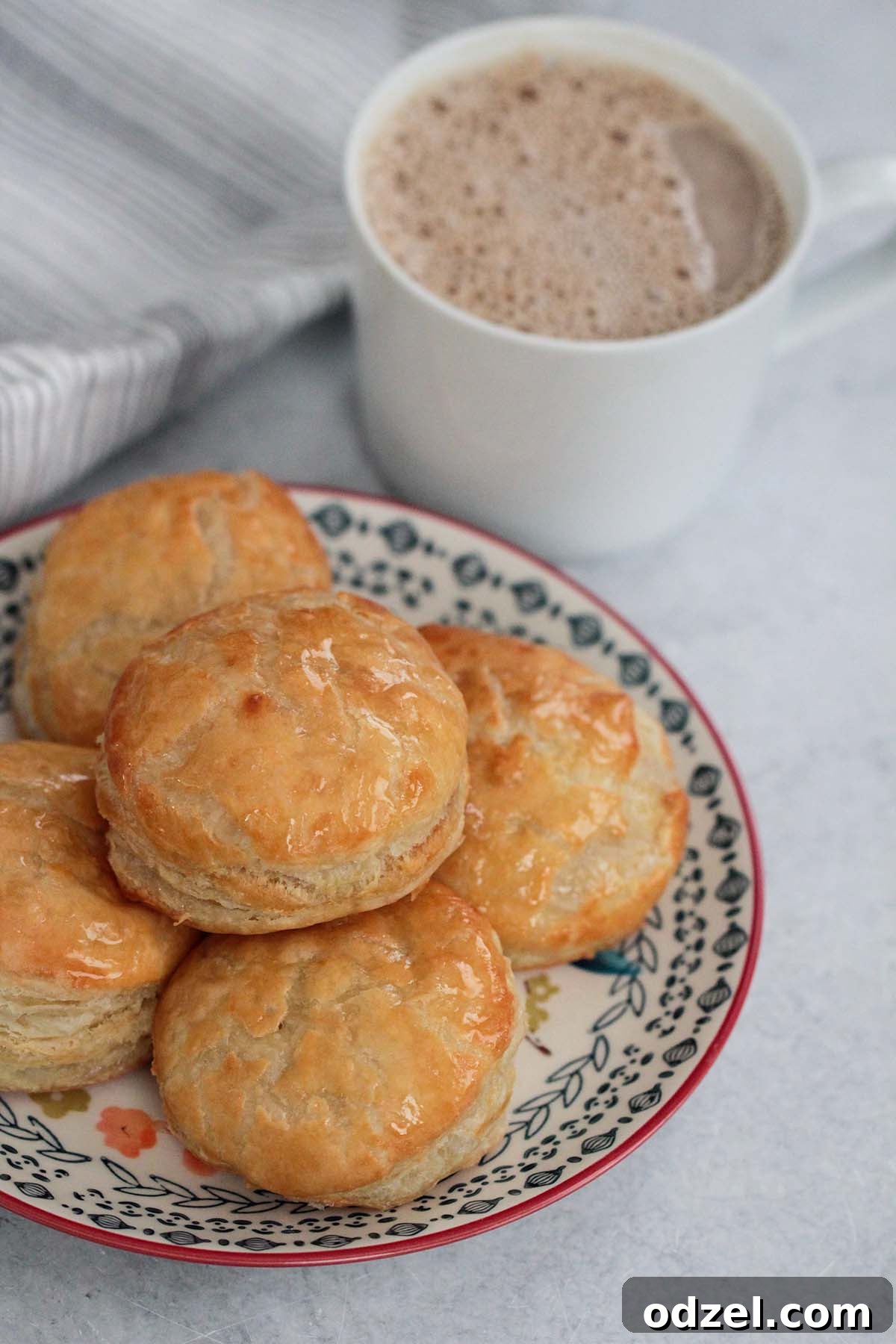
Authentic Cuban Pastelitos de Carne: A Taste of Miami’s Best Bakeries at Home
Step into the vibrant world of Cuban cuisine with our comprehensive guide to making irresistible Cuban Pastelitos de Carne. These iconic meat pastries are a beloved staple, offering a delightful contrast of sweet and savory flavors encased in a golden, flaky puff pastry. Traditionally found gracing the shelves of Cuban bakeries, especially in bustling cities like Miami, these treats are now within your reach to create in your own kitchen.
Our recipe simplifies the process, transforming readily available ingredients like store-bought puff pastry and flavorful ground beef into culinary masterpieces. Each pastelito is lovingly brushed with a simple syrup, adding that signature glistening sweetness that sets them apart. Get ready to impress your family and friends with a taste of authentic Cuba!
If you’ve ever savored the aroma of a Cuban bakery, you’ve undoubtedly encountered the allure of pastelitos de carne. They are incredibly popular, a true comfort food and a fantastic snack any time of day. While Miami is famed for its authentic Cuban bakeries, there’s no need to book a flight; with this recipe, you can effortlessly replicate that authentic taste right in your own home. Get ready for a culinary journey that brings the heart of Cuba to your table!
Why You’ll Adore This Easy Pastelitos Recipe
This recipe for Cuban Pastelitos de Carne isn’t just about making a dish; it’s about creating an experience with minimal fuss and maximum flavor. Here’s why this particular recipe will quickly become a cherished favorite in your culinary repertoire:
- Effortless Preparation with Store-Bought Puff Pastry: Forget the complexities of making dough from scratch. Our recipe champions the use of high-quality, pre-made puff pastry, liberating you from the need for flour-dusted countertops and endless rolling. This smart shortcut ensures a perfectly flaky, golden crust every time, cutting down significantly on prep time without compromising on the authentic texture that makes pastelitos so delightful.
- Versatile & Customizable Filling: While our recipe features a classic Cuban picadillo – a richly seasoned ground beef mixture – its versatility allows for endless creativity. Feel free to adapt the filling to your preferences or dietary needs. Ground chicken, turkey, or pork are excellent alternatives, each bringing its unique flavor profile to the pastry. You can even experiment with vegetarian options like seasoned black beans or plant-based mince for a delightful twist.
- The Perfect Treat for Any Occasion: Whether you’re hosting a lively party, enjoying a relaxed game day with friends, or contributing to a potluck, these pastelitos are guaranteed to be a crowd-pleaser. Their individual serving size makes them convenient, and their savory-sweet appeal ensures they disappear quickly. They’re also ideal for a quick breakfast, a satisfying lunch, or an afternoon snack with coffee.
- Baked, Not Fried: Unlike some traditional pastries, our pastelitos are baked to perfection in the oven. This not only results in a lighter, less greasy finish but also simplifies the cooking process, making clean-up a breeze. You get that wonderfully crispy exterior and tender interior without the hassle and added oil of deep-frying.
Essential Ingredient Insights for Perfect Pastelitos
Each ingredient in this Cuban Pastelitos de Carne recipe plays a crucial role in building the layers of flavor and texture that make these pastries so remarkable. Understanding their significance and potential substitutions will help you achieve the best results.
- Puff Pastry: The cornerstone of these flaky pastries! You will need two boxes of store-bought puff pastry, typically found in the refrigerated or frozen section of most supermarkets. Ensure you allow ample time for it to thaw in the refrigerator according to package instructions, as working with cold, pliable dough is key to achieving that signature flaky texture. Avoid overworking the dough to maintain its delicate layers.
- Olives (Spanish Olives): Spanish olives, particularly Manzanilla olives with pimentos, lend a distinctive briny, salty, and slightly tangy note that is characteristic of authentic Cuban picadillo. If you’re not a fan of olives, capers can offer a similar burst of salty flavor. Alternatively, you can omit them entirely if preferred, though they do add an important layer of traditional taste.
- Sazon: This powerful spice blend is a secret weapon in Cuban cooking, delivering a vibrant color and an incredible depth of savory flavor. Sazon typically contains ingredients like coriander, annatto (for color), garlic, cumin, and oregano. If you don’t have sazon on hand, you can create a similar flavor profile by generously seasoning your meat with additional salt, freshly cracked black pepper, a pinch of turmeric for color, and extra garlic powder and cumin.
- Ground Cinnamon: A truly unique and often unexpected ingredient in savory meat dishes, cinnamon in picadillo is a subtle masterstroke. It doesn’t make the dish taste sweet, but rather adds a warm, earthy depth and a hint of exotic spice that elevates the overall flavor profile. Don’t skip this ingredient; it’s a “secret” that enhances the complexity beautifully.
- Dry White Wine: A splash of dry white wine deglazes the pan, adding acidity and a subtle fruity note that brightens the rich beef filling. If white wine isn’t available or preferred, a small amount of white vinegar (such as distilled white vinegar or apple cider vinegar) can provide a similar acidic lift and balance to the flavors.
- Ground Beef: Opt for a lean-to-medium ground beef (80/20 or 85/15) for the best balance of flavor and texture. Browning it thoroughly is essential to develop a rich foundation for your picadillo.
- Onions and Bell Peppers: These aromatics form the “sofrito,” the flavor base of many Cuban dishes. Finely dicing them ensures they cook down evenly and meld seamlessly into the filling.
- Tomato Sauce and Tomato Paste: These provide the necessary acidity, body, and umami depth for the picadillo, giving it its characteristic reddish hue and rich consistency.
- Oregano, Cumin, Garlic Powder: These classic Cuban spices are fundamental to the picadillo’s aromatic and savory character.
- Bay Leaf: Adds a subtle, herbaceous background note that slowly infuses during simmering. Remember to remove it before assembling the pastelitos!
- Simple Syrup: Crucial for that authentic sweet glaze. It’s just sugar and water, cooked until dissolved. Make sure to let it cool completely before brushing, as a hot syrup could make the pastries soggy.
- Egg Wash: A simple blend of egg and water that gives the puff pastry a beautiful golden-brown sheen and helps seal the edges of your pastelitos.
Crafting Your Cuban Pastelitos: A Step-by-Step Guide
Follow these detailed instructions to create perfect, flaky Cuban Pastelitos de Carne:
- Prepare the Flavorful Filling: Begin by heating about 2 tablespoons of your preferred cooking oil in a large, heavy-bottomed pot or Dutch oven over medium-high heat. Add the ground beef and break it apart with a spoon. Brown the beef completely, stirring occasionally, until it’s evenly cooked through and no pink remains. This typically takes about 5 minutes. Drain any excess fat if necessary.
- Sauté the Aromatics: Add the finely diced onions and green bell peppers to the pot with the browned beef. Sauté for approximately 2 minutes, allowing them to soften slightly and release their fragrant aromas. Next, stir in the minced garlic and tomato paste, cooking for just about 20 seconds until the garlic becomes fragrant and the tomato paste deepens in color. Be careful not to burn the garlic.
- Simmer for Depth of Flavor: Pour in the tomato sauce, then add the bay leaf, Spanish olives, dry white wine (or vinegar), sazon, cumin, granulated garlic, oregano, ground cinnamon, and water. Stir all the ingredients well to combine. Bring the mixture to a gentle simmer, then reduce the heat to medium-low, cover the pot, and let it cook for 15 minutes. This simmering time allows the flavors to meld beautifully.
- Season and Cool the Filling: After 15 minutes, remove the lid and season the picadillo generously with salt and freshly ground black pepper to taste. Remove the bay leaf. Stir one last time and then set the filling aside to cool slightly. It’s crucial that the filling isn’t too hot when you work with the puff pastry, as excessive heat can cause the dough to tear or become soggy.
- Prepare the Signature Simple Syrup: In a small saucepan, combine 1/4 cup of granulated sugar and 1/4 cup of water. Place the saucepan over medium-high heat and stir continuously until the sugar has completely dissolved and the mixture is clear. Remove from heat and allow the simple syrup to cool completely before use. This sweet glaze is what gives pastelitos their distinct finish.
- Preheat Oven and Prepare Egg Wash: Preheat your oven to 350 degrees F (175 degrees C). In a small bowl, whisk together 1 large egg and 1 tablespoon of water to create your egg wash. This will give your pastries a beautiful golden sheen.
- Ready the Puff Pastry: Lightly flour a clean work surface. Carefully unroll each sheet of thawed puff pastry. Using a 3-inch biscuit cutter or the rim of a drinking glass, cut each sheet into 9 round pieces. Gently transfer these rounds to a parchment-lined baking sheet.
- Assemble the Pastelitos: Spoon about a tablespoon of the cooled beef mixture into the center of half of the puff pastry rounds. Take an empty puff pastry round and gently place it over the filled round, aligning the edges. Lightly brush the edges of the bottom pastry with the prepared egg wash before placing the top piece on, then firmly pinch the edges together with your fingers or press with the tines of a fork to seal completely. This ensures the filling stays put during baking. Repeat with the remaining pastry rounds and filling.
- Bake to Golden Perfection: Place the assembled pastelitos on a baking sheet lined with parchment paper. Brush the tops of each pastelito with the egg wash for that rich, golden crust. Using a toothpick, poke 2-3 small holes in the top of each pastry. These holes are vital as they allow steam to escape, preventing the pastries from puffing up excessively and bursting. Bake in the preheated oven for 25 minutes, or until the pastries are beautifully golden brown and puffed.
- Glaze and Enjoy: Immediately after removing the warm pastelitos from the oven, generously brush their tops with the cooled simple syrup. The warmth of the pastries will help the syrup absorb and create that characteristic glistening, sweet coating. Allow the pastelitos to cool on a wire rack for a few minutes before serving. Enjoy your homemade Cuban delights!
Expert Tips for Flawless Pastelitos
Achieving bakery-quality Cuban Pastelitos de Carne at home is simpler than you think, especially with these insider tips:
- Always Poke Holes: This step is non-negotiable. Poking a few small holes in the top of each puff pastry with a toothpick or a fork tine before baking is crucial. These vents allow steam to escape from the rich meat filling during baking, preventing the pastries from over-inflating and potentially bursting, ensuring they maintain their beautiful shape and a perfect texture.
- Proper Puff Pastry Thawing: Patience is a virtue when working with puff pastry. Always thaw it according to the package instructions, usually overnight in the refrigerator or for about 30-40 minutes at room temperature. Rushing this step can lead to a sticky, unmanageable dough that won’t roll or cut cleanly, compromising the flakiness of your finished pastelitos. Ensure it’s cold but pliable.
- Consider Adding Raisins for Authentic Sweetness: For a truly authentic Cuban picadillo, many traditional recipes include a handful of raisins. These dried fruits add a subtle sweetness and a pleasant chewiness that beautifully complements the savory meat and tangy olives. If you enjoy this sweet-savory combination, add about 3 tablespoons of raisins to the beef mixture during the simmering stage (step 3).
- Cool the Filling Completely: This is a critical step to prevent soggy pastries. Before assembling your pastelitos, ensure the ground beef filling has cooled down significantly, ideally to room temperature. Adding hot filling to cold puff pastry can prematurely melt the butter in the dough, causing it to lose its flaky layers and result in a greasy, heavy pastry that won’t puff up correctly.
The Legacy of Cuban Pastelitos
Cuban pastelitos are more than just pastries; they are a culinary cornerstone deeply embedded in Cuban culture and identity. Originating from Spanish culinary traditions, these flaky delights evolved in Cuba, adapting to local ingredients and tastes. The fusion of sweet and savory in dishes like the pastelitos de carne, or the classic pastelitos de guayaba y queso (guava and cheese pastries), reflects the rich tapestry of influences that shaped Cuban cuisine.
For many, especially in the Cuban diaspora, pastelitos evoke a powerful sense of nostalgia and home. They are a comforting reminder of family gatherings, bustling bakeries, and the vibrant spirit of Cuba. Sharing pastelitos is a gesture of warmth and hospitality, making them a cherished part of celebrations and daily rituals alike.
Frequently Asked Questions About Pastelitos de Carne
- Do I Have To Brush The Pastelitos With Simple Syrup?
- For an authentic Cuban pastelito experience, brushing them with simple syrup is absolutely essential. This sweet glaze is not merely decorative; it adds a unique sweetness and a signature glossy finish that truly sets these pastries apart. The delicate balance between the savory meat filling and the sweet, sticky glaze is what makes Cuban pastelitos so special and utterly irresistible. Without it, you’d miss out on a key flavor component.
- What Can I Serve These Cuban Meat Pastries With?
- Cuban Pastelitos de Carne are incredibly versatile and can be enjoyed in various ways. Traditionally, they are savored as a delightful snack or light breakfast, often accompanied by a strong, aromatic cup of Cuban coffee (cafecito). The robust flavor of the coffee perfectly complements the rich and savory pastry. For a more substantial offering, consider serving them alongside a simple green salad, fresh fruit, or even as part of a larger Cuban spread with dishes like papas rellenas (stuffed potatoes) or pastelitos de guayaba y queso (guava and cheese pastries).
- How Should I Store Leftover Pastelitos?
- To maintain their freshness and flaky texture, any leftover Cuban Pastelitos de Carne should be stored in an airtight container at room temperature. They will remain delicious for up to 2 days. For longer storage, you can refrigerate them for up to 5 days. When you’re ready to enjoy them again, a quick warm-up in a toaster oven or conventional oven (at 300°F/150°C for 5-10 minutes) will help restore their crispy exterior. We don’t recommend microwaving, as it can make the pastry soft.
Beyond Beef: Exploring Pastelito Variations
While beef pastelitos are a classic, the world of Cuban pastries offers a delightful array of variations. The most famous, perhaps, are the pastelitos de guayaba y queso, combining sweet guava paste with tangy cream cheese for an utterly addictive treat. Other popular fillings include chicken (pastelitos de pollo), ham and cheese, or even sweet coconut. Feel free to get creative with your fillings, always remembering the simple syrup glaze for that authentic Cuban touch!
More Authentic Cuban Recipes You’ll Love
If you’ve enjoyed making these delightful pastelitos, you’re sure to love exploring more authentic Cuban flavors. Here are some other popular recipes that bring the taste of Cuba to your home:
- Cuban Red Beans: A hearty and flavorful staple, perfect alongside rice.
- Cuban Chicken Noodle Soup: A comforting and restorative classic.
- Congri (Cuban Black Beans and Rice): The quintessential side dish for almost any Cuban meal.
- Cuban Spaghetti: A unique and surprisingly delicious fusion dish.
We hope you thoroughly enjoy making and sharing these authentic Cuban Pastelitos de Carne. Don’t forget to connect with us on social media to share your culinary creations!

Pastelitos de Carne
By: Julie Maestre
Sweet, savory, and wonderfully flaky, these Cuban meat pastries feature a rich ground beef filling encased in golden puff pastry, finished with a signature simple syrup glaze. A taste of Miami’s best bakeries at home!
Prep Time: 5 minutes
Cook Time: 50 minutes
Total Time: 55 minutes
Servings: 18 servings
Ingredients
Filling
- 1 lb ground beef
- 1/2 small onion, finely diced
- 1/2 green bell pepper, finely diced
- 2 garlic cloves, finely minced
- 1 tbsp dry white wine (or a splash of vinegar)
- 1/2 cup tomato sauce
- 1 tsp tomato paste
- 1/2 tsp oregano
- 1 bay leaf
- 1/2 tsp cumin
- 1 tsp granulated garlic
- 1/4 tsp cinnamon
- 1 tsp sazon
- 1/4 cup Spanish olives
- 3 tbsp raisins, optional
- 1/4 cup water
- Salt and pepper to taste
Simple Syrup
- 1/4 cup water
- 1/4 cup sugar
Egg Wash
- 1 egg
- 1 tbsp water
Puff Pastry
- 2 packages puff pastry, thawed
Instructions
- Start by preparing the filling. Heat about 2 tbsp of oil in a large pot over medium-high heat. Add the ground beef and brown completely. This should take about 5 minutes. Drain any excess fat.
- Add the onions and peppers and cook for 2 minutes until softened. Stir in the garlic and tomato paste and cook for about 20 seconds until fragrant.
- Stir in the tomato sauce, bay leaf, olives, raisins (if using), dry white wine, sazon, cumin, granulated garlic, oregano, cinnamon, and water. Cover, reduce the heat to medium-low, and cook for 15 minutes.
- Once the 15 minutes are up, season with salt and pepper to taste, remove the bay leaf, and set the filling aside to cool completely.
- To make the simple syrup, add 1/4 cup of sugar and 1/4 cup of water to a small saucepan. Cook over medium-high heat until the sugar dissolves completely. Let it cool completely.
- Preheat the oven to 350 degrees F (175 degrees C). Prepare your egg wash by whisking 1 egg with 1 tbsp of water.
- Roll each sheet of puff pastry onto a lightly floured clean surface. Cut each sheet into 9 round pieces using a biscuit cutter or the rim of a drinking glass.
- Add about a tablespoon of the cooled beef mixture to the center of half of the rounds. Brush the edges with the egg wash. Place another puff pastry piece on top, pressing the edges together firmly to seal (use a fork for crimping if desired). Place them on a parchment-lined baking sheet.
- Brush the tops of the assembled pastelitos with egg wash. Poke a couple of holes in the top of each with a toothpick to allow steam to escape. Bake for 25 minutes, or until golden brown and puffed.
- Brush the warm pastelitos immediately with the cooled simple syrup. Let the pastries cool slightly before serving. Enjoy!
Video
Notes
- Make sure to poke some holes in the puff pastry to allow the steam to escape, which prevents the pastries from bursting.
- Always thaw the puff pastry according to packaging instructions for the best results and ease of handling.
- Allow the ground beef filling to cool completely before adding it to the puff pastry; hot filling can make the dough soggy and prevent proper flaking.
Nutrition
Nutrition information is automatically calculated and should only be used as an approximation.
Calories: 384 kcal | Carbohydrates: 29g | Protein: 9g | Fat: 26g | Saturated Fat: 7g | Polyunsaturated Fat: 3g | Monounsaturated Fat: 14g | Trans Fat: 1g | Cholesterol: 27mg | Sodium: 215mg | Potassium: 147mg | Fiber: 1g | Sugar: 4g | Vitamin A: 63 IU | Vitamin C: 4mg | Calcium: 16mg | Iron: 2mg
Additional Info
Author: Julie Maestre
Prep Time: 5 minutes
Cook Time: 50 minutes
Total Time: 55 minutes
Course: Appetizer, Snack
Cuisine: Cuban
Servings: 18 servings
Calories: 384 kcal
Keyword: Cuban Pastries, how to make pastelitos, Pastelitos de Carne