
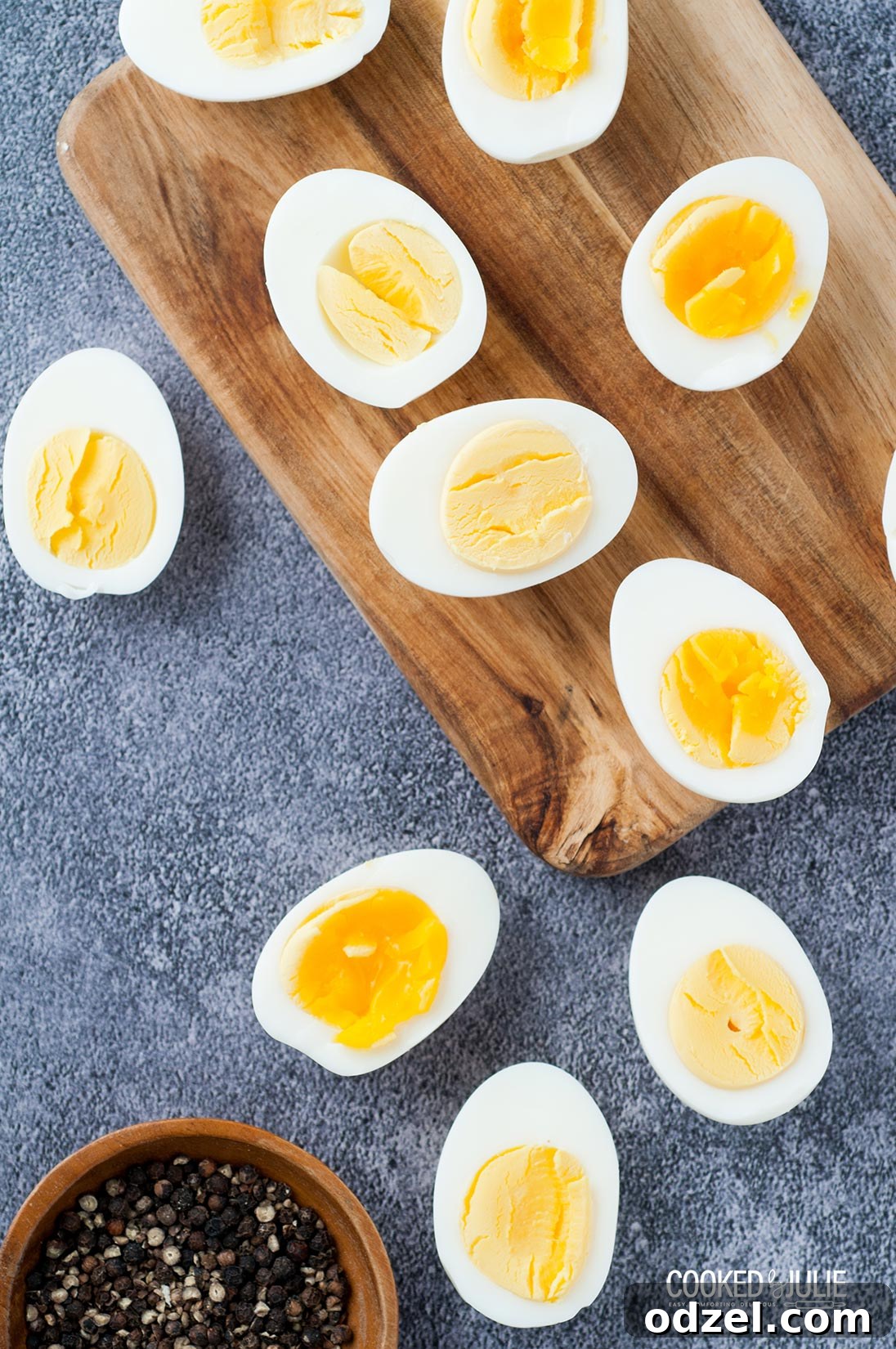
Mastering the Art of Boiled Eggs: Your Guide to Perfect Soft, Medium, and Hard Consistencies
Boiled eggs are a true kitchen staple, celebrated for their versatility, nutritional benefits, and ease of preparation. Whether you crave a creamy, runny yolk for breakfast or a firm, fully cooked egg for salads and snacks, this simple yet comprehensive guide will equip you with all the knowledge to achieve your desired perfection every single time. High in protein and low in carbohydrates, eggs are an excellent choice for a quick, healthy meal or snack.
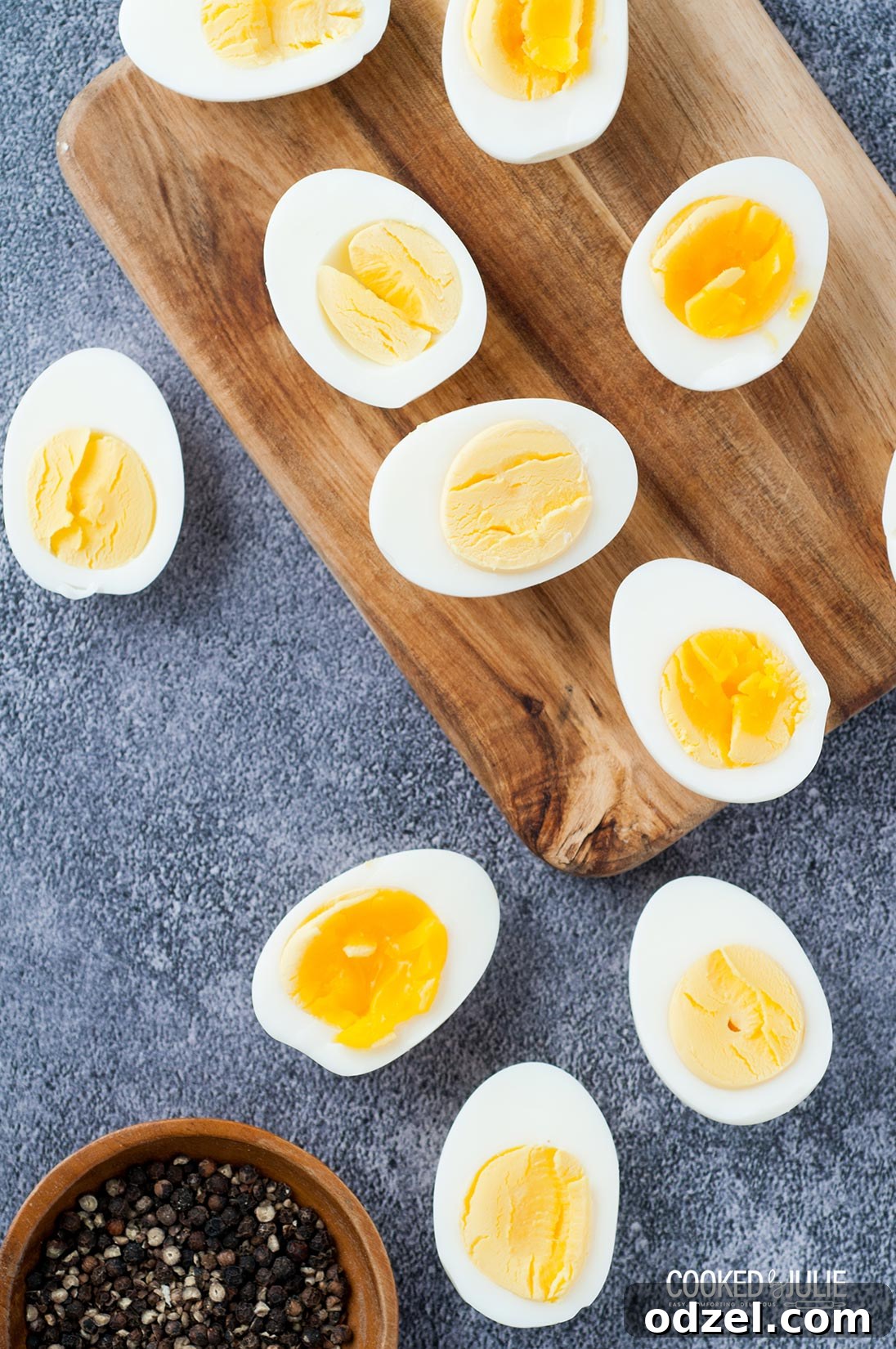
The Universal Question: How to Boil an Egg?
For something seemingly so simple, mastering the art of boiling an egg can often feel like a culinary challenge. Many home cooks struggle with achieving that ideal consistency, frequently ending up with undercooked, watery yolks or overcooked eggs with rubbery whites and unappetizing green rings. The secret lies in precise timing and a few fundamental techniques. This tutorial aims to demystify the process, transforming you into an egg-boiling expert capable of creating delicious foundations for recipes like Classic Deviled Eggs or a nutritious standalone meal.
The beauty of boiled eggs lies in the range of textures you can achieve, catering to every palate. Some prefer a delicate, barely-set yolk that flows gloriously over toast, while others desire a completely firm, crumbly texture that’s perfect for slicing and dicing. Your personal preference dictates the cooking time, and we’ll break down exactly how to get it right.
Essential Tools for Perfectly Boiled Eggs
You don’t need fancy equipment to boil eggs; the process is incredibly straightforward. Here’s what you’ll need:
- Fresh Eggs: While older eggs are often recommended for easier peeling, fresh eggs generally provide better flavor and texture. Don’t worry, our method will ensure easy peeling regardless.
- A Sturdy Saucepan: Choose a saucepan large enough to hold your eggs in a single layer without crowding them. This ensures even cooking.
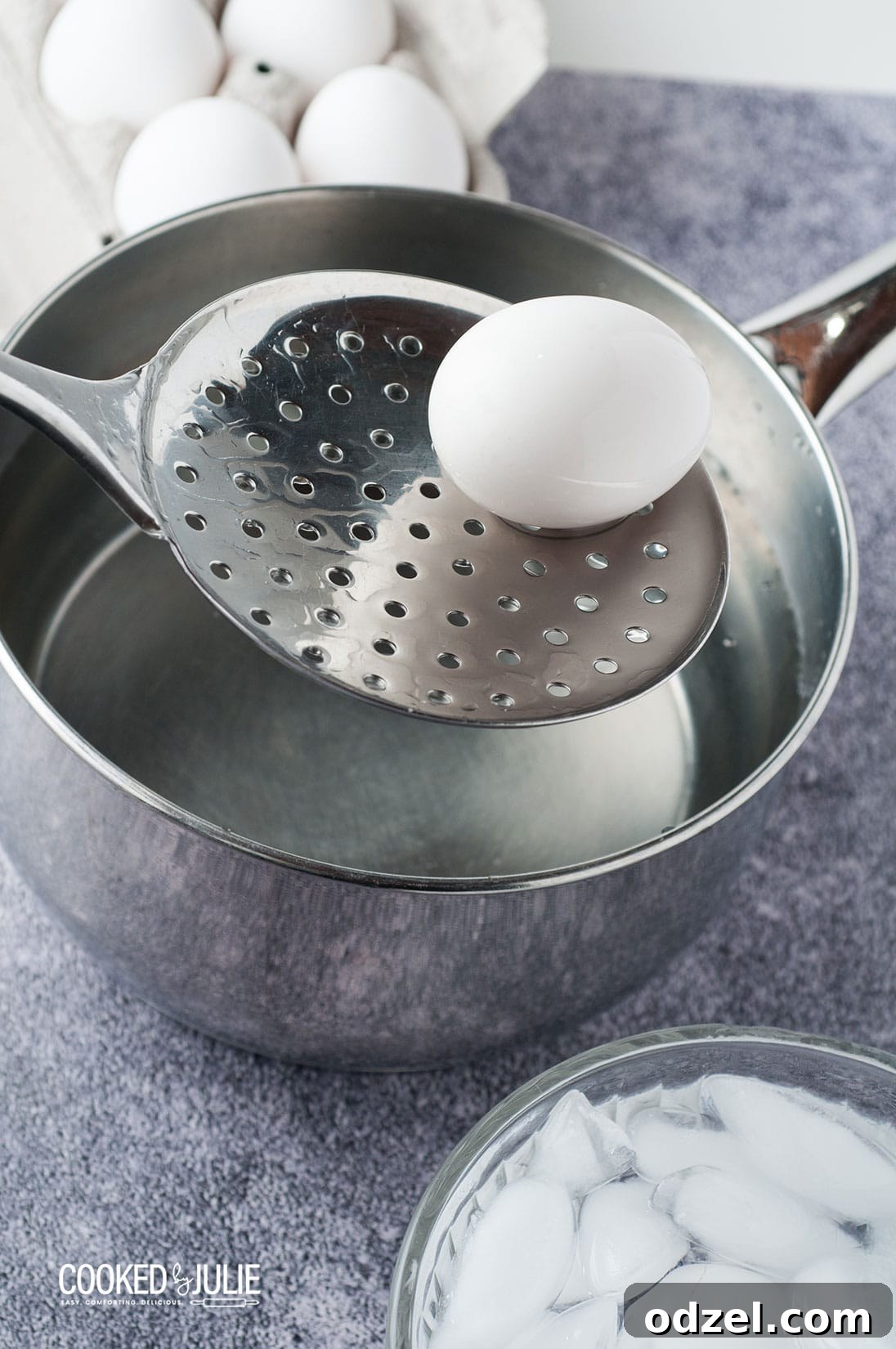
- Ice Water Bath: A bowl filled with ice and water is crucial for stopping the cooking process and making the eggs easier to peel.
- A Timer: Precision is key! A reliable timer will be your best friend in achieving your desired yolk consistency.
The Science of Egg Boiling: Understanding the Transformation
Before diving into the cooking times, let’s briefly touch upon what happens when you boil an egg. An egg is primarily protein and water. As heat is applied, the proteins in both the white (albumen) and the yolk begin to coagulate, or solidify. The egg white proteins set at a lower temperature (around 180°F / 82°C) than the yolk proteins (around 150°F / 65°C). This difference is why you can have a firm white and a still-runny yolk. Overcooking causes the sulfur in the egg white to react with iron in the yolk, creating hydrogen sulfide gas, which results in the dreaded greenish-gray ring around the yolk.
Achieving Your Desired Egg Yolk: How Long to Boil Eggs?
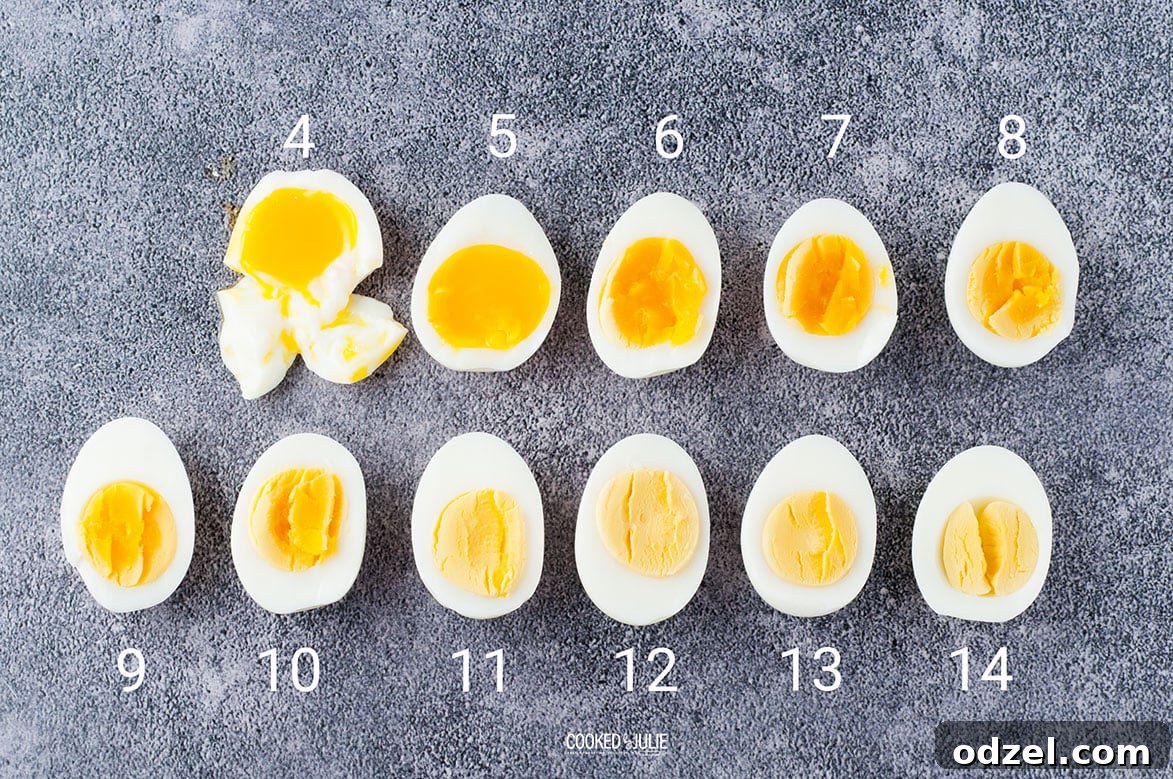
The boiling duration is the most critical factor in determining your egg’s final texture. Here’s a detailed breakdown of cooking times and the resulting yolk consistencies:
-
Soft-Boiled Eggs (4-5 minutes):
Cook your eggs for 4 to 5 minutes for a truly indulgent soft-boiled egg. The whites will be completely set but tender, while the yolk will remain wonderfully liquid and runny. This consistency is ideal for serving in an egg cup with toast soldiers or atop a fresh salad where the yolk can create a rich dressing.
-
Medium-Boiled Eggs (6-7 minutes):
For those who prefer a yolk that is still soft and creamy but not entirely liquid, cook your eggs for 6 to 7 minutes. The whites will be firm, and the yolks will have a delightful custardy texture, perfect for adding to ramen, grain bowls, or simply enjoying with a sprinkle of salt and pepper.
-
Medium-Hard Boiled Eggs (8-9 minutes):
A cooking time of 8 to 9 minutes will give you a yolk that is mostly firm but still has a hint of creaminess in the center. The whites will be perfectly set and firm. This is a fantastic all-around consistency, great for egg salads, chef salads, or as a protein-rich snack.
-
Firm Hard-Boiled Eggs (10-12 minutes):
To achieve a classic hard-boiled egg with a completely firm, well-cooked yolk, aim for 10 to 12 minutes of boiling. The whites will be very firm, and the yolks will be opaque and crumbly. This is the go-to consistency for deviled eggs, potato salads, or simply chopping and adding to almost any dish. Cooking beyond 12 minutes significantly increases the risk of the green ring.
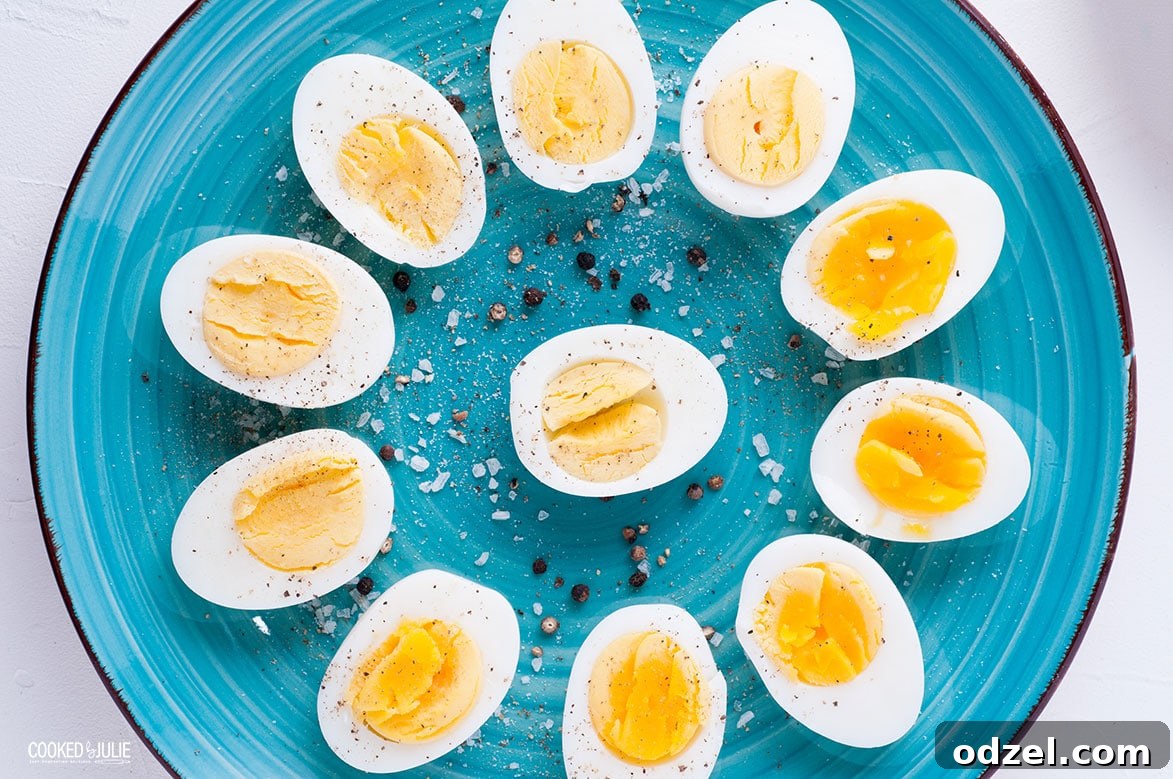
To visualize these textures, refer to the image below. The numbers above each egg segment correspond to the approximate cooking times required to achieve that specific yolk consistency.
The Foolproof Method for Perfectly Boiled Eggs
Achieving consistently perfect boiled eggs is incredibly simple when you follow this straightforward technique:
- Start with Cold Water: This is the most crucial step! Gently place your eggs in a single layer at the bottom of a saucepan. Cover them with cold tap water, ensuring there’s about an inch of water above the eggs. Starting with cold water allows the eggs to heat up gradually, preventing cracking and promoting more even cooking. Placing eggs directly into hot water can cause the whites to set too quickly and unevenly, leading to a tough texture.
- Bring to a Rolling Boil: Place the saucepan on your stove over high heat. Bring the water to a rapid, rolling boil. This is when the water is vigorously bubbling.
- Set Your Timer: Once the water reaches a rolling boil, immediately set your timer for your desired cooking duration (e.g., 4-5 minutes for soft, 6-7 for medium, 10-12 for hard). It’s important to start timing from the moment the boil is achieved, not from when you put the pot on the stove.
- Remove and Shock: As soon as your timer goes off, remove the saucepan from the heat. Carefully transfer the hot eggs into the prepared bowl of ice water using a slotted spoon. This “shocking” process immediately halts the cooking, preventing overcooking and the formation of that undesirable green ring. It also helps the egg whites contract, making the shells much easier to peel.
- Cool Completely: Allow the eggs to sit in the ice water for at least 5-10 minutes, or until they are cool enough to handle comfortably.
The Secret to Effortless Peeling: How to Peel Hard-Boiled Eggs
Peeling boiled eggs can sometimes be frustrating, but with the right technique, it becomes a breeze. The ice bath method significantly aids in this process:
- Cool Thoroughly: Ensure your eggs are completely cool from the ice water bath. Warm eggs are harder to peel cleanly.
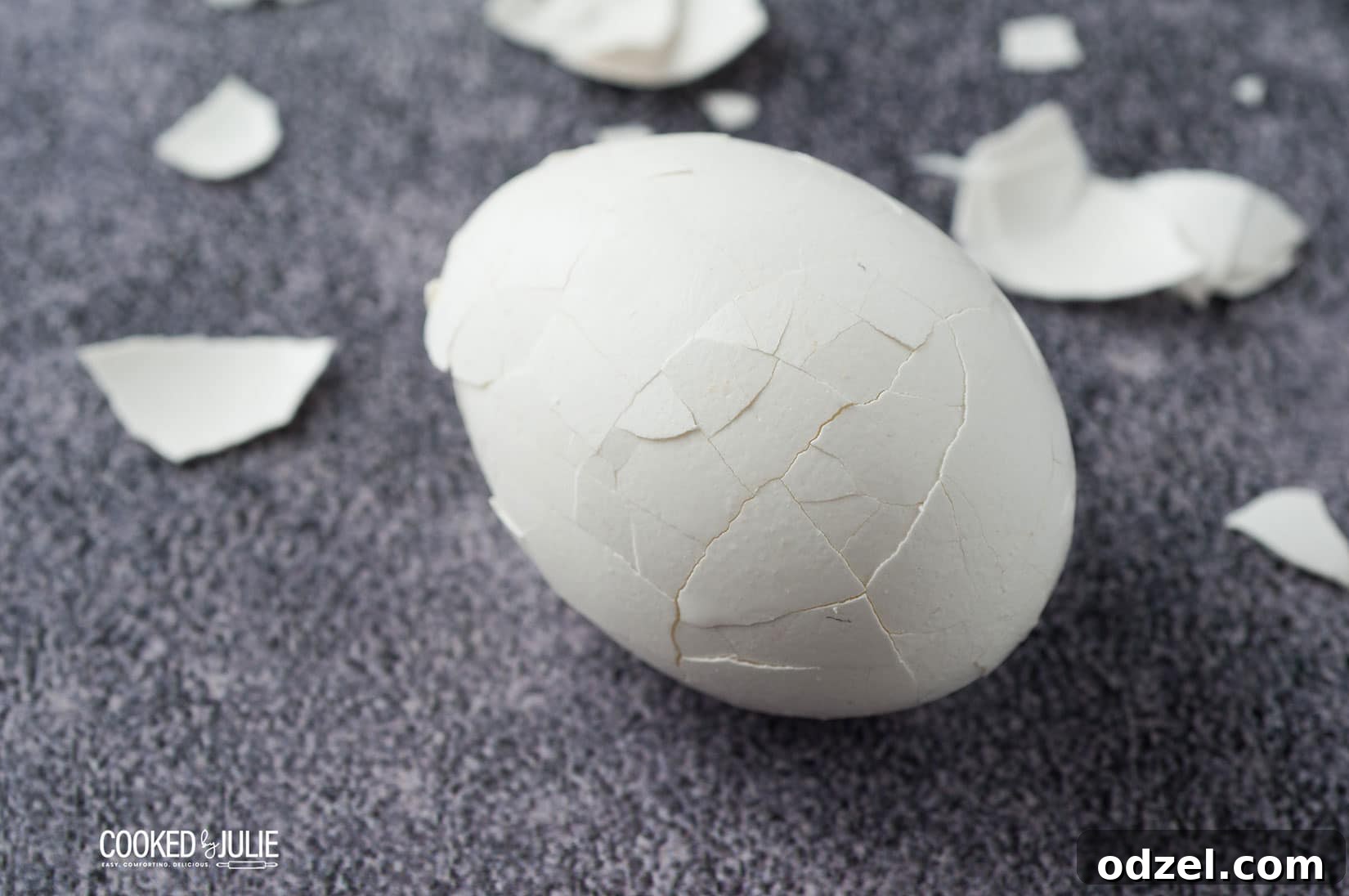
- Crack Gently: Tap the larger, rounder end of each egg on a hard, flat surface (like a countertop or cutting board) to create a small crack. This is where the air pocket is located, and initiating the crack here can make peeling easier.
- Roll to Shatter: Using gentle but firm pressure, roll the egg between your hands or on the flat surface to create a network of fine cracks all around the shell.
- Peel Under Water (Optional but Recommended): For the cleanest peel, try peeling the eggs under cold running water or in a bowl of water. The water helps to get under the membrane just beneath the shell, making it slide off more easily. Start peeling from the wider end where you initially cracked it.
- Rinse and Enjoy: After peeling, quickly rinse the eggs under cold water to remove any tiny, stubborn shell fragments that might still be clinging to the egg white. There’s nothing worse than finding a bit of shell in your perfectly cooked egg!
Troubleshooting Common Boiled Egg Issues
Why is there a green ring around my egg yolk?
If you’ve ever sliced into a hard-boiled egg and discovered a greenish-gray ring encircling the yolk, don’t worry – you’re not alone! This is a very common occurrence and a clear sign that your eggs have been overcooked. The discoloration is a result of a chemical reaction: hydrogen sulfide gas (produced from sulfur in the egg white) reacts with iron in the yolk when exposed to high heat for too long. While harmless to eat, it can give the egg an unpleasant odor and a drier texture. The solution is simple: reduce your cooking time and ensure you use an ice bath immediately after boiling.
My eggs cracked during boiling, what happened?
Eggs can crack during boiling for a few reasons. The most common cause is a rapid change in temperature. Placing cold eggs directly into already boiling water can cause the shell to crack due to thermal shock. Starting with cold water, as outlined in our method, gradually brings the eggs up to temperature, significantly reducing the risk of cracking. Another factor can be older eggs; as eggs age, they lose moisture, and the air pocket inside expands, sometimes contributing to cracks.
Creative Ways to Serve Boiled Eggs
Boiled eggs are incredibly versatile and can be incorporated into countless dishes or enjoyed on their own. Here are some delicious ideas:
- Simple Seasoning: For a quick and nutritious snack or breakfast, simply slice or halve your boiled eggs and sprinkle them with a touch of sea salt and freshly cracked black pepper. Serve alongside fresh fruit, a slice of whole-grain toast, and a hot cup of coffee for a complete meal.
- Elevate Your Salads: Chop firm hard-boiled eggs and add them to green salads, Cobb salads, or classic chef salads for an excellent boost of protein and creamy texture.
- Healthy Meal Prep: Hard-boiled eggs are fantastic for meal prepping. Enjoy them with a handful of nuts and crunchy vegetables as a high-protein, satisfying pre-workout snack or a light lunch.
- Sandwiches & Wraps: Mash hard-boiled eggs with mayonnaise, mustard, and seasonings for a classic egg salad sandwich filling.
- Avocado Toast Topping: Slice a soft or medium-boiled egg over avocado toast for an extra layer of flavor and protein.
- Japanese Ramen: A perfectly soft-boiled or medium-boiled egg, often marinated (Ajitama), is an essential topping for authentic ramen bowls.
- Nicoise Salad: Hard-boiled eggs are a core ingredient in this classic French salad, adding richness and substance.
Looking for more ways to incorporate boiled eggs into your meals? Try these fantastic recipes!
- Deviled Egg Pasta Salad
- Shrimp Cobb Salad
- Easy Turkey Meatloaf (often paired with a hard-boiled egg in the center!)
- Hawaiian Macaroni Salad
- Potato and Egg Salad

How to Boil Eggs
Ingredients
- 12 Eggs
- Cold water
- Ice water
- Salt & pepper for garnish, optional
Instructions
-
Place the eggs in a large saucepan and fill with cold water until the eggs are just covered.
-
Place the saucepan on the stove over high heat and bring to a rolling boil.
-
Boil the eggs for your desired amount of time (4-12 minutes depending on your desired texture). Set a timer to ensure the eggs aren’t undercooked or overcooked.
-
When the eggs are done cooking, immediately remove them from the heat and shock them in a bowl of ice water for at least 5-10 minutes.
-
Allow the eggs to cool completely, then crack and roll them on a board using gentle, but firm pressure to break the shell into a fine mosaic.
-
Peel and discard the cracked egg shell, optionally rinsing the eggs with cold water to ensure that no shell remains stuck to the egg whites.
-
Top with salt and pepper if desired, or slice/chop and use in your favorite recipe.
-
Enjoy your perfectly boiled eggs!
Notes
Shocking cooked eggs in ice water helps to stop them from cooking further, prevents the green ring, and makes them significantly easier to peel.
If you observe a green ring around the yolks, this indicates your eggs were overcooked. Adjust your cooking time down by a minute or two next time to achieve a beautiful yellow, creamy yolk consistency.
Nutrition
Nutrition information is automatically calculated, so should only be used as an approximation.
Additional Info
Enjoyed this recipe and tips? We’d love to hear from you!Leave a comment below and share your perfectly boiled egg creations!
Once you master these simple steps, perfectly boiled eggs will become a effortless addition to your culinary repertoire. Enjoy experimenting with different cooking times to discover your ultimate preference, and savor the delicious, nutritious versatility that eggs bring to your table!