
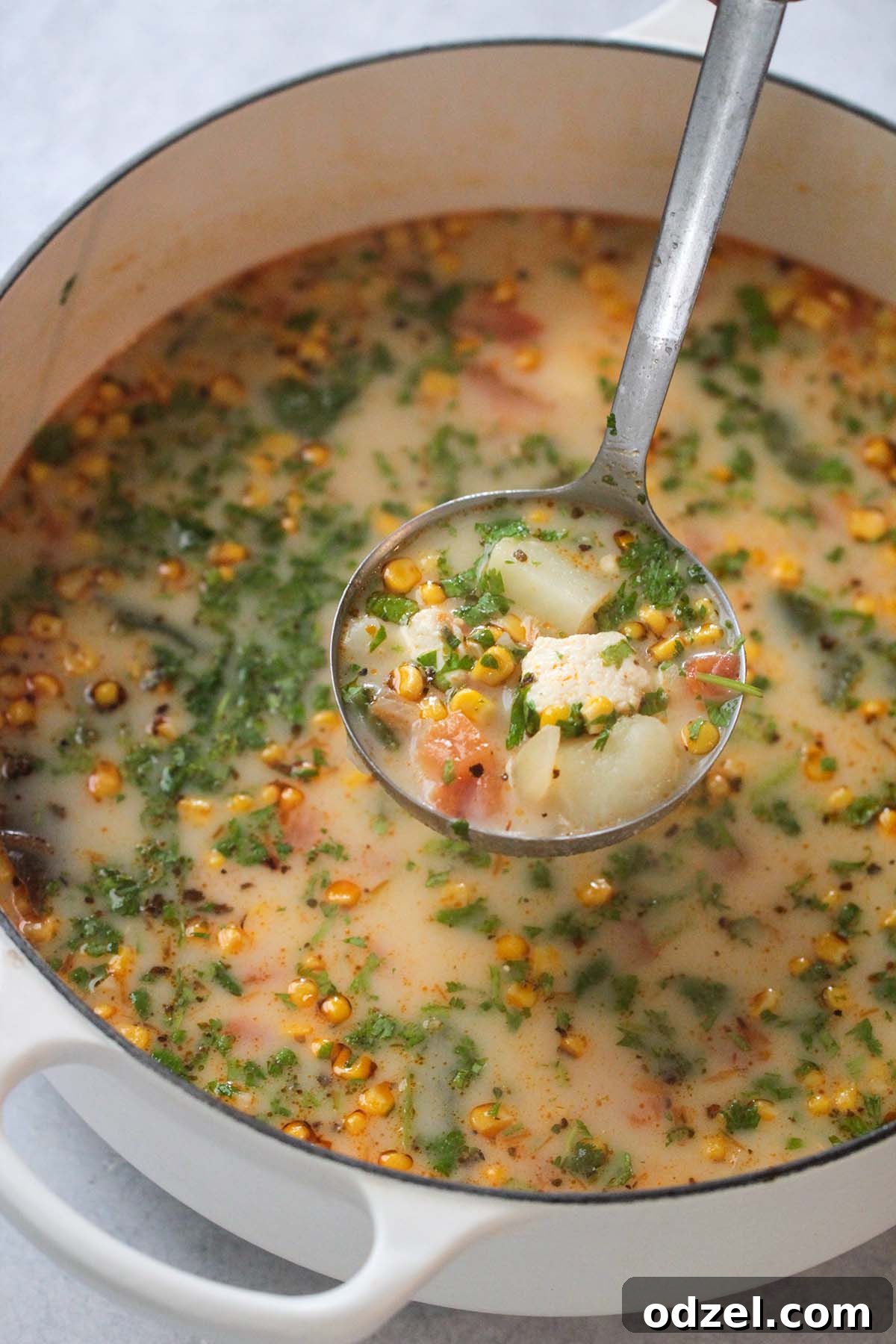
Authentic & Easy Caldo de Queso: A Hearty Mexican Cheese and Potato Soup
Warm, comforting, and packed with incredible flavor, Caldo de Queso is a beloved Mexican classic that brings joy to any table. This rich, satisfying soup, made with tender potatoes, a colorful medley of vegetables, and generous chunks of melty queso fresco, offers a delightful balance of sweet, spicy, and savory notes. It’s the perfect hearty meal for a busy weeknight, yet special enough to impress guests.
If you’re a fan of traditional Mexican soup recipes, similar to a comforting Sopa de Fideo, then you are absolutely going to adore this Caldo de Queso. Its simplicity, combined with its profound depth of flavor, makes it an instant favorite.
Why This Caldo de Queso Recipe is a Must-Try
There are countless reasons why this Caldo de Queso recipe stands out as a culinary gem, perfect for home cooks seeking both flavor and convenience:
- Budget-Friendly and Feeds a Crowd: This soup is incredibly economical, relying on staple ingredients like potatoes, onions, and tomatoes, making it an ideal meal for feeding a large family or meal prepping without breaking the bank.
- Quick & Easy Preparation: From start to finish, this recipe comes together in under 40 minutes, with minimal hands-on time. It’s the ultimate solution for a delicious, homemade meal on even the busiest of evenings.
- Bursting with Dynamic Flavors: Every spoonful is a symphony of tastes. The addition of sweet corn provides a lovely counterpoint to the subtle heat from chili powder and the smoky undertones of roasted poblano pepper. Fresh oregano and bay leaf infuse the broth with aromatic richness, creating a complex yet harmonious flavor profile.
- Unmatched Comfort from Queso Fresco: The star of the show, queso fresco, softens beautifully in the warm broth, adding a creamy texture and a mild, tangy cheese flavor that makes this soup incredibly comforting and satisfying.
- Excellent Leftovers: This soup only gets better the next day as the flavors meld and deepen. It’s perfect for meal prepping and can be easily stored for future enjoyment.
- Versatile & Customizable: Easily adapt this recipe to suit your preferences. Add more spice, swap out vegetables, or try different potato varieties to make it truly your own.
Essential Ingredients for Caldo de Queso
Crafting the perfect Caldo de Queso begins with understanding the role of each key ingredient:
- Queso Fresco: This soft, moist, and slightly tangy Mexican cheese is fundamental to Caldo de Queso. It doesn’t melt completely, but rather softens into delightful, creamy pockets within the broth, adding a unique texture and flavor. You can typically find it in the dairy or international foods section of your local supermarket. If queso fresco isn’t available, a firm farmer’s cheese or even paneer can be a close substitute, though the flavor profile will vary slightly.
- Potatoes: The backbone of this hearty soup. Cubed potatoes cook down to a tender, starchy perfection, adding substance and thickening the broth naturally. While russet potatoes are excellent for their texture, Yukon gold or red potatoes also work beautifully, offering a slightly creamier consistency.
- Onion & Garlic: The aromatic foundation of almost any great soup. Finely diced onion and minced garlic are sautéed to release their fragrant essential oils, building a base of savory depth.
- Tomatoes: Diced fresh tomatoes contribute a bright, acidic tang and a touch of sweetness, balancing the richness of the cheese and potatoes. They also add a lovely color to the broth.
- Poblano Pepper: Roasted poblano peppers are a game-changer, lending a mild, smoky heat and a wonderful texture to the soup. Roasting them beforehand enhances their flavor significantly. If you prefer more heat, you can include a bit of serrano or jalapeño.
- Corn: While not strictly traditional in every regional variation of Caldo de Queso, I love the burst of sweetness and vibrant color that corn adds. Feel free to include it for a touch of sweetness and extra texture, or omit it if you prefer a more “authentic” (depending on the region) rendition.
- Oregano & Bay Leaf: These herbs are crucial for imparting that classic Mexican flavor. Dried Mexican oregano has a distinct earthy, citrusy note different from Mediterranean oregano, but either will work. The bay leaf adds a subtle, savory aroma that deepens the soup’s character.
- Chicken Bouillon Paste or Powder: This concentrated flavor enhancer quickly builds a savory broth. If you don’t have paste or powder, chicken stock or broth can be used as a direct substitute for the water and bouillon combination.
- Milk: A touch of hot milk (or heavy cream for an even richer soup) is stirred in at the end to add creaminess and a velvety finish. Using hot milk is key to prevent it from curdling when added to the soup.
- Chili Powder (Optional): For an extra layer of mild spice and warmth, a pinch of chili powder can be added along with the other seasonings. Adjust to your desired level of heat.
- Oil: A neutral cooking oil like vegetable or canola oil for sautéing the aromatics.
- Salt and Pepper: Essential for seasoning to taste and bringing all the flavors into harmony.
Expert Tips and Variations for Your Caldo de Queso
Elevate your Caldo de Queso with these helpful tips and creative twists:
Tips for Perfect Caldo de Queso:
- Spice it Up: For those who love a fiery kick, incorporate fresh jalapeño peppers or green chilies (like serranos) into your soup. You can sauté them with the onions and tomatoes or add sliced chilies as a garnish.
- Achieve Extra Creaminess: While milk provides a lovely texture, swapping it for heavy cream will yield an even richer, more decadent soup. This is a fantastic option for a truly indulgent experience.
- Prevent Curdling: Always ensure your milk is hot before adding it to the simmering soup. Cold milk can shock the mixture and cause it to curdle, resulting in an undesirable texture. Gently warm the milk on the stovetop or in the microwave before incorporating.
- Perfectly Cooked Potatoes: The cooking time for potatoes can vary depending on their size and type. Ensure they are fork-tender before moving on to the next step, as undercooked potatoes can be unappetizing.
- Bouillon Alternatives: If you don’t have chicken bouillon paste or powder on hand, simply use an equivalent amount of good quality chicken stock or broth instead of water and bouillon for a flavorful base.
Caldo de Queso Variations to Explore:
- Potato Alternatives: Not a fan of potatoes, or simply want to try something different? Consider using small pasta noodles (like estrellitas or alphabet pasta), rice, or even cubed zucchini for a lighter touch.
- Vegetable Boost: Enhance the nutritional value and flavor by adding other vegetables such as diced carrots, bell peppers, or spinach in the last few minutes of cooking.
- Protein Power: For a more substantial meal, add cooked shredded chicken, ground beef, or even black beans during the final stages of cooking.
- Vegan Option: To make this soup vegan, substitute the queso fresco with a plant-based feta or firm tofu, use vegetable broth instead of chicken bouillon, and opt for a dairy-free milk or cream alternative.
- Smoky Depth: A pinch of smoked paprika or a dash of liquid smoke can further enhance the smoky flavor if you’re a fan of the roasted poblano’s profile.
- Herbaceous Twist: Experiment with other fresh herbs like epazote (traditional in some Mexican dishes) or a sprinkle of fresh thyme for a different aroma.
Serving Suggestions for Caldo de Queso
While Caldo de Queso is wonderfully satisfying on its own, pairing it with complementary sides can elevate the dining experience:
- Crusty Bread: A warm, crusty bread is perfect for soaking up every last drop of the delicious broth.
- Cilantro Lime Rice: A side of light and fragrant cilantro lime rice provides a refreshing contrast to the rich soup.
- Fresh Garnishes: Always have fresh cilantro, a dash of your favorite hot sauce, and some fresh lime wedges on hand. A squeeze of lime brightens the entire dish, and cilantro adds a burst of freshness.
- Avocado Slices: Creamy avocado slices or a dollop of guacamole can add another layer of richness and texture.
- Tortilla Strips: Crispy tortilla strips or crumbled tortilla chips offer a delightful crunch.
- Simple Side Salad: A light green salad with a vinaigrette dressing can cut through the richness of the soup.
Storage and Reheating Instructions
Caldo de Queso is excellent as leftovers, making it perfect for meal prep throughout the week. Properly storing and reheating ensures the best flavor and texture:
- Cool Completely: Before refrigerating, allow the soup to cool completely at room temperature. This prevents condensation from forming and keeps the soup fresh.
- Airtight Container: Transfer the cooled soup to an airtight container. It can be refrigerated for up to 3 days.
- Freezing: While the potatoes and cheese might change texture slightly upon freezing and thawing, you can freeze Caldo de Queso. Store it in a freezer-safe container for up to 2-3 months. Thaw overnight in the refrigerator before reheating.
- Reheating: Gently reheat the soup on the stovetop over medium-low heat, stirring occasionally, until warmed through. If the soup has thickened too much, you can add a splash of water, milk, or broth to achieve your desired consistency. Be careful not to boil vigorously, especially if using heavy cream, to prevent separation.
Frequently Asked Questions About Caldo de Queso
- What does Caldo de Queso mean?
- Caldo de Queso literally translates to “cheese broth” or “cheese soup” in Spanish. It accurately describes this comforting dish where cheese plays a starring role.
- Where does Caldo de Queso originate?
- Caldo de Queso is a traditional dish from the state of Sonora, Mexico, located in the northwestern part of the country. It’s particularly popular in the cooler months and often enjoyed as a light yet satisfying meal.
- Can I use a different type of cheese?
- While queso fresco is traditional and highly recommended for its unique texture, you could experiment with other mild, crumbly cheeses like Cotija (though it’s saltier and won’t melt as much) or a mild, unaged farmer’s cheese. Keep in mind the texture and flavor will change. Avoid highly processed or very sharp cheeses, as they might overpower the delicate flavors of the soup or melt too oily.
- How do I roast a poblano pepper?
- You can roast poblano peppers directly over a gas flame, under a broiler, or on a hot grill until the skin is charred and blistered. Place the hot peppers in a plastic bag or covered bowl for 10-15 minutes to steam, which helps loosen the skin. Then, peel, core, and remove seeds before chopping.
- Is this soup very spicy?
- Traditionally, Caldo de Queso has a mild spice level from poblano peppers. This recipe includes chili powder as an option. You can adjust the heat by adding more or fewer spicy peppers (like jalapeños) to your preference.
- Can I make this soup ahead of time?
- Absolutely! Caldo de Queso is a fantastic make-ahead soup. Prepare it a day in advance and store it in the refrigerator. The flavors often deepen overnight, making it even more delicious the next day. Reheat gently on the stovetop.
Caldo De Queso Recipe

Caldo De Queso
Julie Maestre
15
25
40
8
Rate Recipe
Print Recipe
Ingredients
- 20 ounces queso fresco, cubed
- 1 onion, finely diced
- 2 garlic cloves, finely minced
- 3 tomatoes, diced
- 1 poblano pepper, roasted and roughly chopped
- 1/2 cup corn
- 2 potatoes, cubed
- 1 tsp oregano
- 1 bay leaf
- 6 cups water
- 1/2 tbsp chicken bouillon paste, or powder
- 1 cup hot milk
- Oil
- 1/2 tsp chili powder, optional
- Salt and pepper to taste
Instructions
-
Add oil to a large pot or Dutch oven and heat over medium-high heat.
-
Add the finely diced onions and tomatoes to the hot oil and cook for approximately 3 minutes, stirring occasionally, until the onions soften.
-
Stir in the minced garlic, chili powder (if using), oregano, and bay leaf. Season generously with salt and black pepper to taste. Cook for another 30 seconds until fragrant, being careful not to burn the garlic.
-
Add the cubed potatoes, chicken bouillon paste or powder, and 6 cups of water. Bring the mixture to a boil, then reduce the heat to medium-low, cover the pot, and simmer for 20 minutes, or until the potatoes are completely fork-tender.
-
Once the potatoes are tender, stir in the hot milk, corn, and the roughly chopped roasted poblano peppers. Continue to cook for another 2 minutes, allowing the flavors to meld and the cheese to begin softening.
-
Carefully remove the bay leaf. Ladle the hot soup into bowls. Garnish with fresh cilantro, a squeeze of lime, or a dash of hot sauce if desired. Serve immediately and enjoy your comforting Caldo de Queso!
Notes
- If you want it extra spicy, add some fresh jalapeño peppers or green chilies along with the poblano.
- Although this soup isn’t overly thick, feel free to use heavy cream instead of milk for a much creamier consistency.
- Remember to use hot milk to prevent it from curdling when added to the soup.
- Not a fan of potatoes? Substitute with small pasta noodles like estrellitas or even cubed zucchini for a different texture.
- If you don’t have chicken bouillon paste or powder, use 6 cups of good quality chicken stock or broth instead of water and bouillon.
Nutrition
Calories:
259
kcal
|
Carbohydrates:
10
g
|
Protein:
15
g
|
Fat:
18
g
|
Saturated Fat:
10
g
|
Polyunsaturated Fat:
1
g
|
Monounsaturated Fat:
5
g
|
Trans Fat:
1
g
|
Cholesterol:
52
mg
|
Sodium:
560
mg
|
Potassium:
317
mg
|
Fiber:
1
g
|
Sugar:
6
g
|
Vitamin A:
1128
IU
|
Vitamin C:
20
mg
|
Calcium:
456
mg
|
Iron:
1
mg
Nutrition information is automatically calculated, so should only be used as an approximation.
Additional Info
Julie Maestre
15
25
40
Entree
Mexican
8
259
caldo de queso, how to make caldo de queso, Mexican caldo de queso
Tried this incredibly satisfying Caldo de Queso recipe? We’d love to hear from you! Please consider leaving a star ⭐⭐⭐⭐⭐ rating in the recipe card above and/or a review in the comments section below. Your feedback helps others discover and enjoy this delicious soup. And for more culinary inspiration, make sure to follow me on Facebook, Instagram, or Pinterest!