
Ultimate Homemade Cinnamon Rolls: A Classic Recipe for Fluffy Perfection
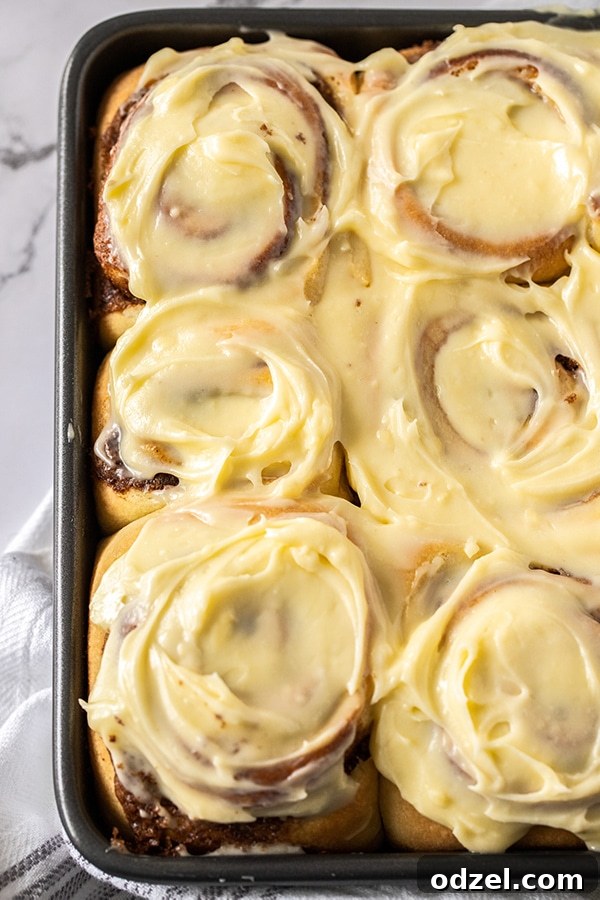
Transform your kitchen into a delightful bakery with these incredible homemade cinnamon rolls. Featuring a tender, fluffy bun generously swirled with warm cinnamon and sugar, and crowned with a luscious cream cheese icing, this classic recipe promises an unforgettable experience. Prepare for pure bliss at first bite!
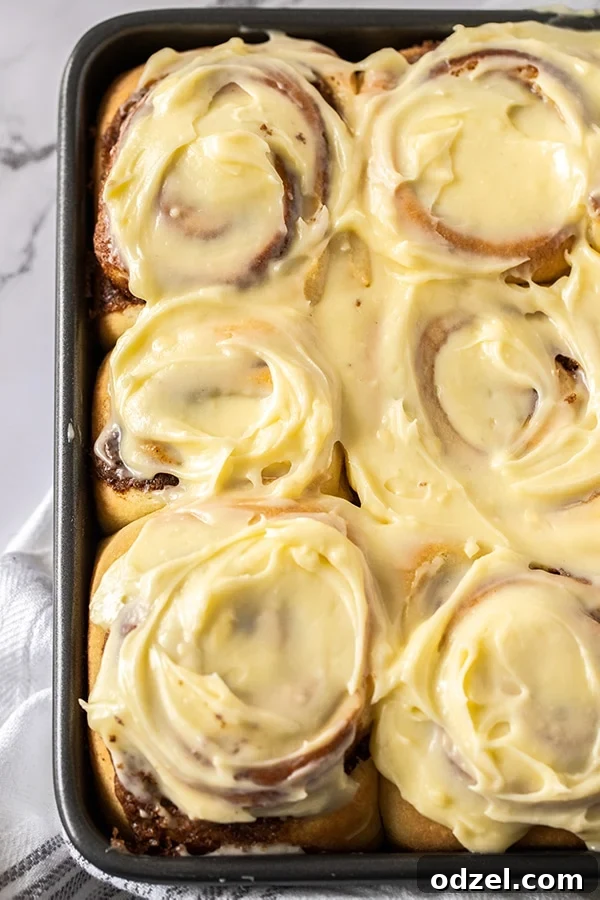
Few things evoke the comforting essence of home quite like the aroma of freshly baked cinnamon rolls wafting through the air. This recipe isn’t just about making a treat; it’s about crafting an experience, a moment of pure culinary delight that warms you from the inside out. Imagine sinking your teeth into a soft, gooey, perfectly baked cinnamon roll, its spirals of sweet spice melting in your mouth, all enveloped in a rich, tangy cream cheese frosting. It’s the ultimate pick-me-up on a chilly morning or a delightful indulgence any time of day.
While many dessert recipes can offer warmth and comfort, such as a hearty slice of Chocolate Chip Banana Bread or decadent Sopapilla Cheesecake Bars, homemade cinnamon rolls hold a special place. Their irresistible combination of fluffy dough, buttery cinnamon-sugar filling, and decadent icing makes them a universally loved classic. This isn’t just a good recipe; it’s the kind of recipe that makes you feel like a master baker, filling your home with an intoxicating fragrance and resulting in a sticky, sweet perfection that will have everyone asking for more. Get ready to embark on a baking adventure that promises truly satisfying results.
Crafting Your Perfect Cinnamon Rolls: A Step-by-Step Guide
Creating these incredible homemade cinnamon rolls is a rewarding process. Follow these detailed steps to achieve soft, fluffy, and perfectly frosted pastries that will impress everyone.
- Activate the Yeast: Begin by gently warming your milk to the ideal temperature of 105°F (40°C). Pour this warm milk into the bowl of your stand mixer, then sprinkle in the active dry yeast and one tablespoon of granulated sugar. Stir lightly and let this mixture sit undisturbed for about 5 to 10 minutes. This crucial step allows the yeast to bloom, indicating it’s active and ready to make your dough light and airy. You should see a foamy layer form on the surface.
- Prepare the Dough Base: Once your yeast is visibly foamy, a testament to its vitality, add the remaining granulated sugar, room-temperature eggs, melted unsalted butter, vanilla extract, and salt to the mixer bowl. Give these ingredients a thorough mix until they are well combined, forming a smooth liquid base for your dough.
- Incorporate the Flour: Gradually add the all-purpose flour to the wet ingredients. Start by adding about half of the flour, mixing it until it’s just incorporated. Then, slowly add the remaining flour, a little at a time, while continuing to mix with a dough hook. Continue mixing for 4-5 minutes on low speed. The goal is to form a cohesive dough that is smooth, elastic, and slightly sticky to the touch. Avoid the temptation to add too much extra flour, as this can lead to dry, dense rolls.
- First Rise (Proofing the Dough): Transfer the slightly sticky dough to a lightly floured surface and knead it gently by hand for about 1 minute. Form the dough into a smooth ball. Lightly grease a large bowl with butter or cooking spray, place the dough ball inside, and turn it once to coat. Cover the bowl tightly with plastic wrap or a clean kitchen towel. Place the covered bowl in a warm, draft-free spot (a slightly warm oven that’s turned off or a microwave can work wonders) for 1 to 2 hours, or until the dough has impressively doubled in size. This initial rise is vital for developing flavor and texture.
- Prepare the Irresistible Filling: While your dough is rising, prepare the rich cinnamon-sugar filling. In a medium bowl, combine softened unsalted butter, brown sugar, and ground cinnamon. Mix these ingredients thoroughly until they form a smooth, spreadable paste. Set this aromatic mixture aside, ready for when your dough has completed its first rise.
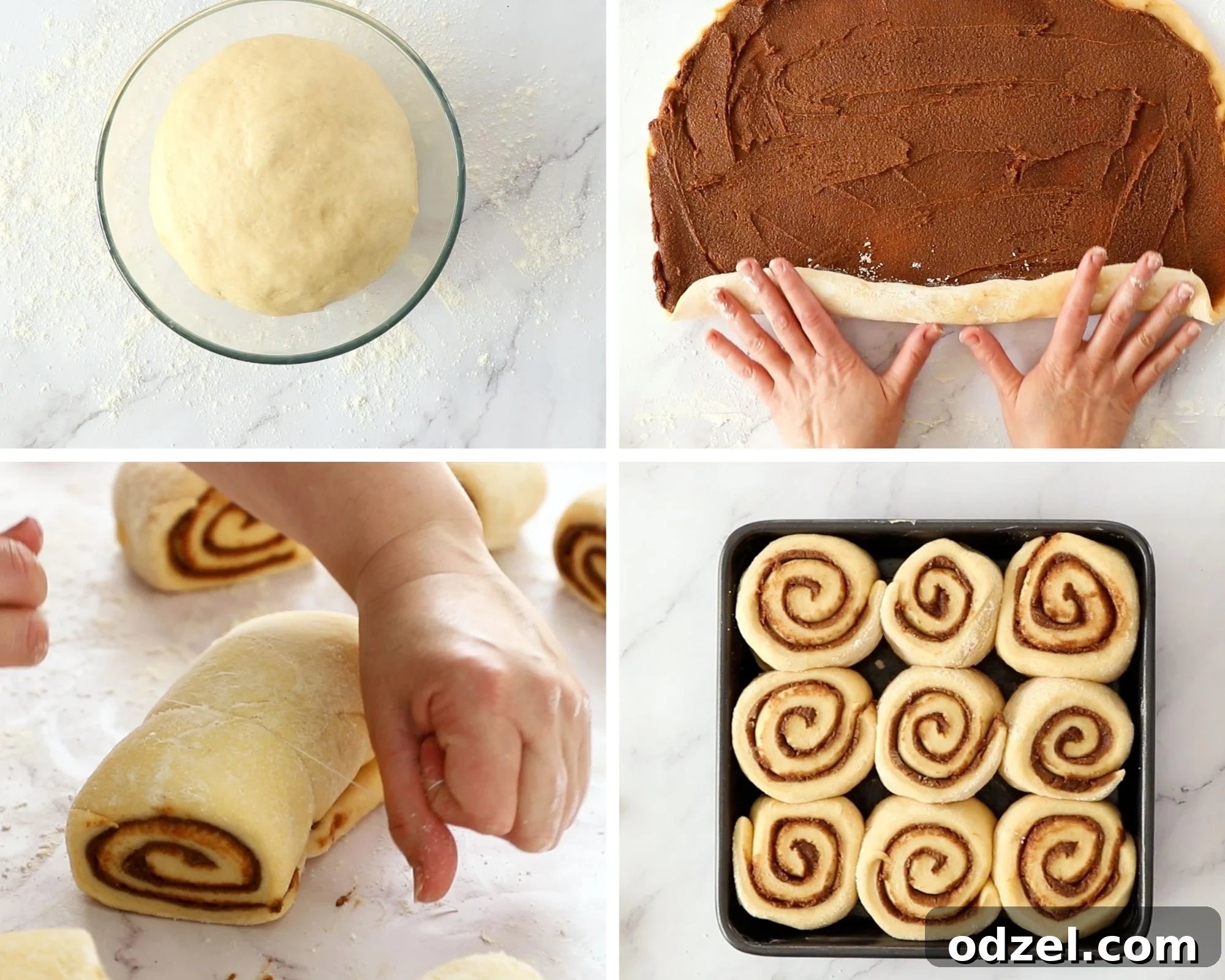
- Shape and Fill the Rolls: Once the dough has doubled, gently punch it down to release the air. Transfer the dough to a lightly floured surface. Using a rolling pin, carefully roll the dough into a large rectangle, approximately 17×10 inches in size. Ensure the thickness is even for consistent rolls. Evenly spread the prepared cinnamon-sugar filling over the entire surface of the rolled-out dough, leaving a small ½-inch border along one of the longer edges. This border helps seal the roll.
- Roll and Cut: Starting from the 17-inch long side opposite the clean border, tightly roll the dough into a snug log. Make sure it’s as tight as possible to create those beautiful, distinct spirals. Once rolled, use unflavored dental floss (or a sharp knife) to cut the log into 9-12 evenly sized rolls. The floss method creates cleaner cuts without squishing the dough.
- Second Rise & Bake: Arrange the cut cinnamon rolls in a greased 9×9-inch baking pan, leaving a little space between each roll as they will expand. Cover the pan again with plastic wrap or a towel and let them rise in a warm place for another 45 minutes, or until they have nearly doubled in size once more. While they rise, preheat your oven to 375°F (190°C). Just before baking, gently pour the heavy cream over the risen rolls. This step is a secret for extra gooey, moist rolls. Bake for 22-25 minutes, or until they are golden brown on top. Be careful not to overbake, as this is a common culprit for dry rolls!
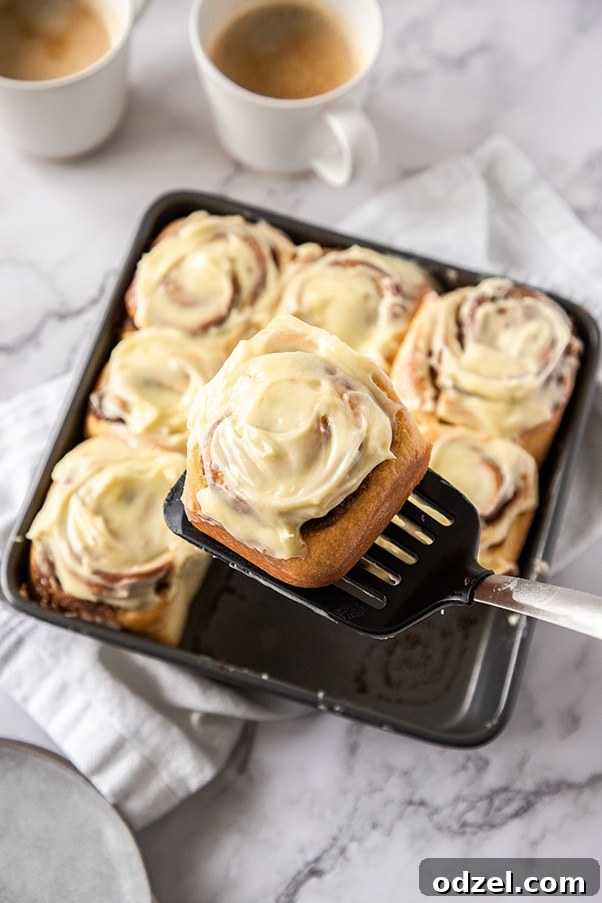
- Frost and Serve: While the cinnamon rolls are baking or cooling slightly, prepare the divine cream cheese frosting. In a bowl, combine softened cream cheese, softened unsalted butter, and powdered sugar. Beat these ingredients together with an electric mixer until the frosting is wonderfully smooth and creamy. As soon as the rolls come out of the oven and have cooled for about 10 minutes (they should still be warm), generously spread the cream cheese frosting over them. The warmth helps the frosting melt slightly, creating an even more luscious glaze. Serve immediately and watch everyone’s eyes light up!
Expert Tips for Unforgettable Cinnamon Rolls
Achieving bakery-quality cinnamon rolls at home is easier than you think with a few essential tips:
- Master the Milk Temperature: This is perhaps the most critical step. If your milk is too hot (above 115°F or 46°C), it will kill the yeast, preventing your dough from rising. If it’s too cold, the yeast won’t activate properly. Aim for a “baby bottle” warm temperature, around 105-115°F (40-46°C). A kitchen thermometer is your best friend here.
- Don’t Over-Flour the Dough: While it’s tempting to add more flour to make the dough less sticky, resist the urge! Over-flouring is a common reason for hard, dry cinnamon rolls. The dough should be soft, pliable, and slightly sticky even after kneading. Adjust by adding flour one tablespoon at a time if truly necessary, but generally, a slightly sticky dough is a happy dough.
- Ensure Proper Rising Conditions: Yeast loves warmth and humidity. Find a warm, draft-free spot for your dough to rise. A microwave with the door closed (after briefly warming a cup of water inside) or an oven with just the light on can create the perfect environment. Patience is key; let the dough truly double in size for the best texture.
- Customize Your Icing Flavor: While classic cream cheese icing is divine, don’t hesitate to experiment! Add a splash of almond extract for a subtle nutty note, a hint of orange zest for brightness, or even a touch of maple extract for a fall-inspired twist. The possibilities are endless with flavored extracts.
- Add a Pop of Color: For holidays or special occasions, a drop or two of food coloring can transform your icing. Imagine pastel pink rolls for Valentine’s Day or vibrant green for St. Patrick’s Day. It’s a simple way to add festive flair.
- Try a Lighter Icing Alternative: If you prefer a less rich or cream cheese-free frosting, a simple glaze made from powdered sugar and a touch of milk (or water, lemon juice, or vanilla extract) is a wonderful alternative. Adjust the liquid to achieve your desired consistency – from a thin drizzle to a thick pourable glaze.
- Explore Flavor Variations: Beyond the traditional, these rolls are a fantastic canvas for creativity. Consider making these Homemade Nutella Cinnamon Rolls for a chocolate-hazelnut twist, or add finely chopped nuts (pecans or walnuts) to your cinnamon filling for extra crunch and flavor.
Troubleshooting: Why Are My Cinnamon Rolls Hard?
Hard cinnamon rolls are a common frustration for home bakers, but the issue is usually easy to diagnose and prevent. The most frequent culprit is **overcooking**. Baking the rolls for too long at too high a temperature strips them of their precious moisture, resulting in a dry, dense texture instead of the desired soft and gooey center. Keep a close eye on your rolls during the last few minutes of baking; they should be golden brown, not dark brown.
Another significant factor is the **flour-to-liquid ratio**. Too much flour can make your dough stiff and difficult to work with, leading to a dry, crumbly baked product. Conversely, too little flour can result in a dough that is too slack and doesn’t hold its shape, making it denser. Aim for a dough that is soft, slightly sticky, and elastic after kneading. Adjusting flour in small increments (a tablespoon at a time) can help achieve the perfect balance. Cinnamon rolls thrive on a delicate equilibrium of ingredients and baking time to achieve that perfect, decadent tenderness.
Can Cinnamon Roll Dough Rise Too Long?
Yes, cinnamon roll dough can indeed over-rise, especially if left at room temperature for an extended period. When dough over-proofs, the yeast consumes all the available sugars and produces too much gas, causing the gluten structure to stretch too far and eventually collapse. This can lead to rolls that have a yeasty, alcoholic smell, a diminished flavor, and a dense, crumbly texture after baking. They might also deflate when touched or baked.
If your baking schedule requires you to delay the second rise, you can strategically slow down the proofing process by placing the covered rolls in the refrigerator. The cool temperature significantly retards yeast activity, allowing the dough to rise slowly over several hours, even overnight. This method is excellent for preparing rolls ahead of time. Just remember to let them come closer to room temperature for about 30-60 minutes before baking to ensure they finish proofing and bake evenly.
Storage and Reheating for Freshness
To enjoy your homemade cinnamon rolls for days to come, proper storage is key:
- Countertop (Pantry): Store frosted cinnamon rolls in an airtight container or a cake keeper at room temperature for up to 3 days. Ensure the area is cool and dry to prevent spoilage and keep the rolls fresh.
- Refrigerator: For longer storage, place the rolls in a sealed container and refrigerate them for up to one week. The colder temperature helps maintain their freshness.
- Freezer: Unfrosted or frosted cinnamon rolls can be frozen. Place them in an airtight, freezer-safe container or wrap them individually in plastic wrap and then foil. They will keep well in the freezer for up to 2 months.
- Reheating: To revive refrigerated or frozen rolls, the microwave is your best friend. Heat individual rolls for 20-30 seconds until warm and soft. For larger batches, you can gently reheat them in an oven preheated to 300°F (150°C) for about 10-15 minutes, covering them with foil to prevent drying out.
If you’ve fallen in love with these mouthwatering, soft cinnamon rolls, you’ll surely enjoy exploring other delectable treats! Be sure to try these delightful Jelly Donuts for another fluffy, sweet indulgence, or these incredibly delicious Sticky Buns that promise a similar gooey perfection. For more culinary inspiration, step-by-step cooking tutorials, and a world of delicious recipes, don’t forget to visit the Youtube channel and Facebook page.
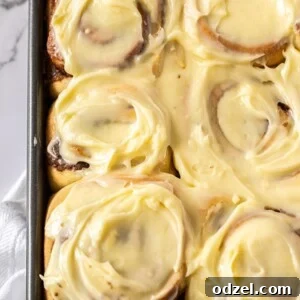
Cinnamon Rolls
By Julie Maestre
Fill your house with a delightful smell when you make these Homemade Cinnamon Rolls. Cinnamon and sugar fill a warm and fluffy bun in this unforgettable classic. Top the rolls with a cream cheese icing and just watch everyone melt at the first bite.
Prep Time: 25 mins
Cook Time: 22 mins
Rise Time: 1 hr 45 mins
Total Time: 2 hrs 32 mins
Servings: 9 rolls
Rate Recipe
Print Recipe
Ingredients
Dough
- 1 cup whole milk, 105 degrees F (40-46°C)
- ¼ cup plus 1 tbsp granulated sugar
- 2 ¼ tsp active dry yeast
- 2 large eggs, room temperature
- 8 tbsp unsalted butter, melted
- 4 cups all-purpose flour (plus more for dusting)
- 1 tsp vanilla extract
- 1 tsp salt
- ¾ cup heavy cream, to pour over the rolls before baking
Filling
- 1 cup brown sugar
- 8 tbsp unsalted butter, softened
- 2 tbsp ground cinnamon
Frosting
- 4 ounces cream cheese, softened
- 4 tbsp unsalted butter, softened
- 1 cup powdered sugar
Instructions
- In the bowl of a standing mixer, combine the warm milk, yeast, and 1 tbsp sugar. Let it sit for 5-10 minutes until foamy.
- Once the yeast foams up, stir in the remaining granulated sugar, eggs, salt, 8 tbsp melted butter, and vanilla extract.
- Add half of the flour to the yeast mixture and combine until well incorporated.
- Add the remaining flour slowly and mix with a dough hook for 4-5 minutes, or until the dough is smooth and slightly sticky.
- Lightly flour your working surface, transfer the dough, and knead it gently for 1 minute with your hands.
- Form the dough into a ball and place it in a greased bowl. Cover it tightly and place it in a warm, draft-free spot for 1 to 2 hours, or until the dough doubles in size.
- In a small bowl, combine the brown sugar, cinnamon, and softened butter for the filling. Mix well and set aside.
- When the dough has doubled in size, gently punch it down and roll it onto a lightly floured surface. Using a rolling pin, flatten the dough into a 17×10-inch rectangle. Spread the cinnamon mixture evenly over the dough, leaving a ½-inch border along one of the longer edges.
- Beginning at the 17-inch side opposite the border, tightly roll the dough into a log.
- Using unflavored dental floss or a sharp knife, cut the log into 9-12 evenly sized rolls. Place them in a buttered 9×9-inch baking dish. Cover the rolls and place them in a warm place to rise for another 45 minutes, or until they double in size.
- Preheat your oven to 375 degrees F (190°C). Once the rolls have doubled, pour the heavy cream evenly over them. Bake for 22-25 minutes, or until golden brown. Be careful not to overbake, as this can make them dry.
- While the rolls bake, prepare the cream cheese frosting by combining the softened cream cheese, powdered sugar, and softened butter until nice and smooth.
- Spread the cream cheese frosting generously all over the cinnamon rolls while they’re still warm. Enjoy immediately!
Notes
- Milk Temperature is Key: Do not overheat the milk! If your milk goes over 115°F (46°C), it will kill the yeast, preventing your dough from rising. Use a thermometer for accuracy.
- The dough should be soft and slightly sticky after kneading. Adding too much flour is a common mistake that can lead to hard and dry rolls.
- Always avoid overbaking. The rolls should be golden brown and moist, not deeply browned and dry.
Nutrition
Carbohydrates: 90g |
Protein: 10g |
Fat: 33g |
Saturated Fat: 20g |
Cholesterol: 126mg |
Sodium: 340mg |
Potassium: 200mg |
Fiber: 3g |
Sugar: 44g |
Vitamin A: 1062IU |
Calcium: 103mg |
Iron: 3mg
Nutrition information is automatically calculated and should only be used as an approximation.
Additional Info
Author: Julie Maestre
Prep Time: 25 minutes
Cook Time: 22 minutes
Rise Time: 1 hour 45 minutes
Total Time: 2 hours 32 minutes
Course: Dessert
Cuisine: American
Servings: 9
Calories: 687
Keyword: Cinnamon Rolls, How to make cinnamon rolls, Soft Cinnamon Rolls, Homemade Cinnamon Rolls