
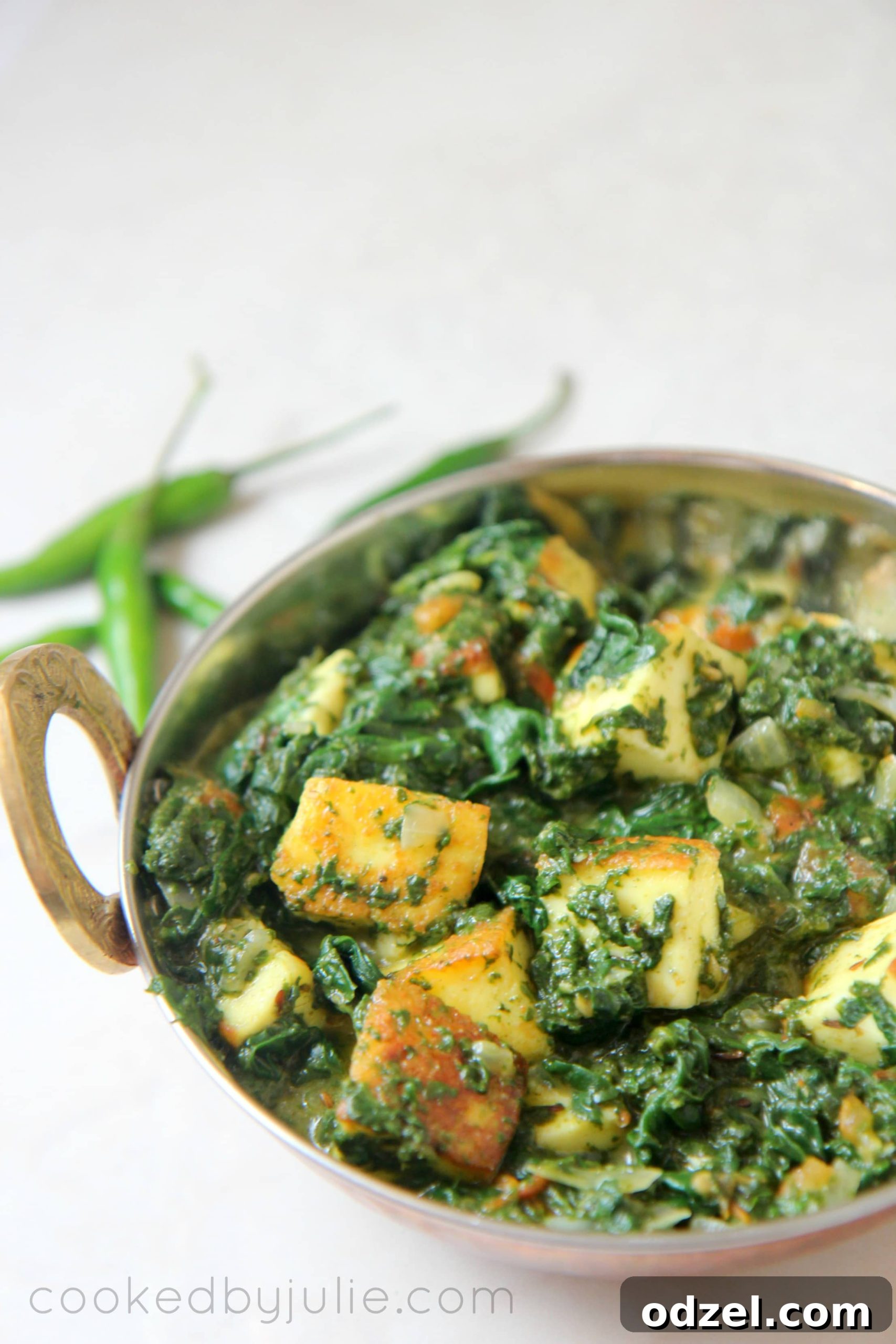
Authentic & Easy Saag Paneer: A Healthy, Keto-Friendly, and Gluten-Free Indian Classic
Saag Paneer is a beloved North Indian culinary masterpiece that combines the richness of Indian cheese with the vibrant flavors of spiced, creamy greens. This wholesome dish is incredibly versatile, perfect as a satisfying main course for vegetarians or a delightful side dish to complement any Indian feast. Beyond its delicious taste, it’s remarkably easy to prepare and packed with nutrients, making it an excellent choice for a healthy meal.
For those who cherish Indian cuisine, Saag Paneer frequently graces weeknight dinner tables, standing proudly alongside other favorites like Instant Pot Butter Chicken and Spiced Indian Lentils. Its comforting texture and aromatic spices make it a consistently popular choice.
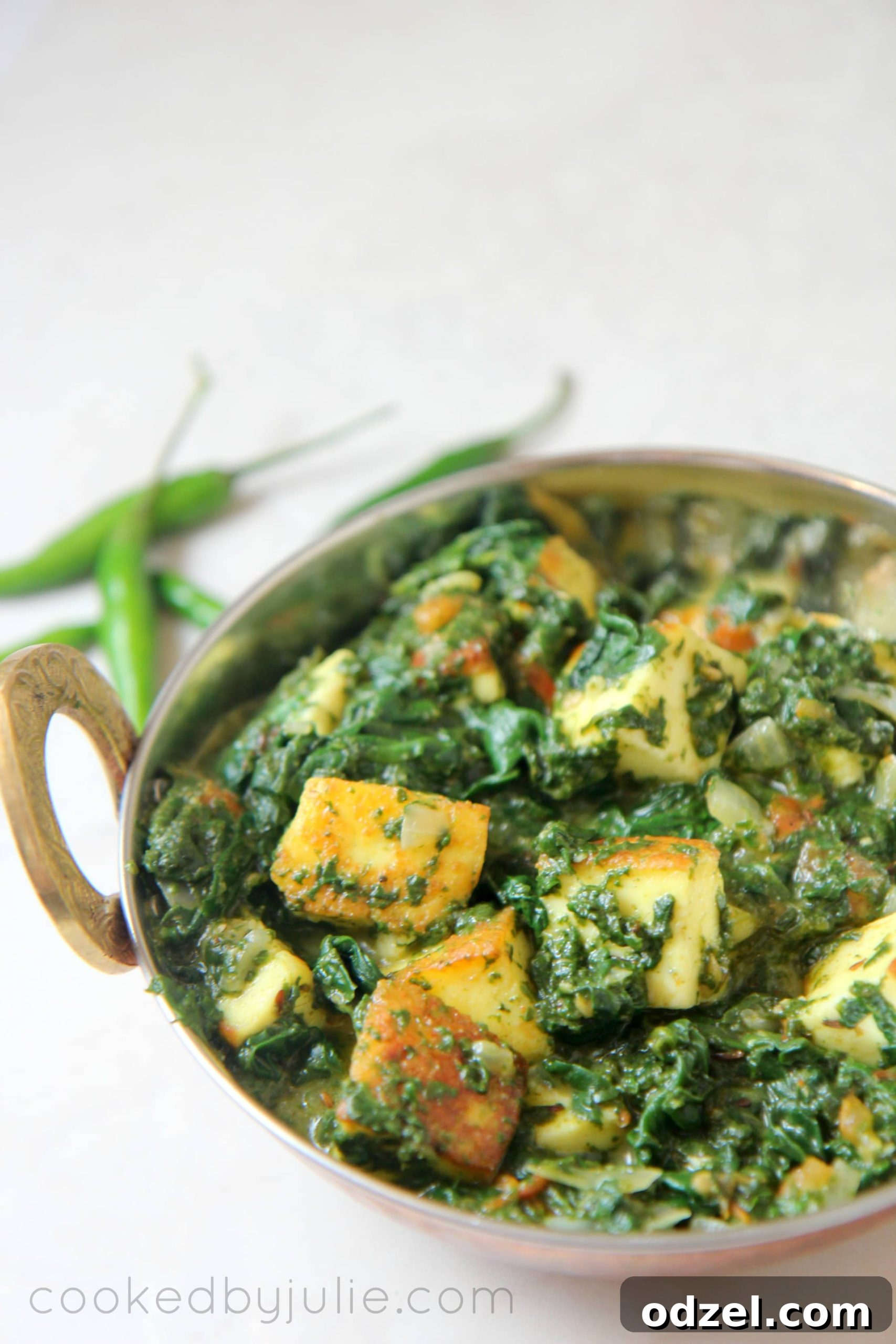
Indian food, with its intricate layers of flavor and diverse culinary traditions, holds a special place in many hearts. Among the myriad of incredible dishes, Saag Paneer truly shines. This particular recipe is not only delicious but also caters to various dietary needs, being naturally Keto-friendly, Gluten-Free, and completely Vegetarian. While comforting, indulgent meals like Coconut Chicken Curry are wonderful, incorporating healthy, low-carb options like Saag Paneer into your rotation is a fantastic way to enjoy rich flavors without compromising your dietary goals.
For those following a low-carb or keto diet, serving Saag Paneer with cauliflower rice makes it a complete and satisfying meal. What’s more, Saag Paneer is one of those dishes that tastes even better the next day, as the flavors meld and deepen overnight, making it ideal for meal prep and enjoying wonderful leftovers.
This recipe offers a mild spice profile, perfect for a wide audience. However, if you prefer a fiery kick, feel free to enhance it with additional chili powder or freshly chopped green chilies. To elevate the paneer itself, we’ll season it with a touch of turmeric for a beautiful golden hue and a sprinkle of garam masala, infusing it with an extra layer of aromatic warmth before it even hits the creamy greens.
What is Saag Paneer? Understanding This North Indian Delicacy
Saag Paneer is a quintessential North Indian dish, celebrated for its rich, creamy texture and vibrant flavors. At its heart, it’s a curry made from a purée of leafy green vegetables (the “saag”) and generous cubes of fresh Indian cheese (the “paneer”). While traditionally, and most commonly, spinach forms the base of the “saag,” the term actually refers to any combination of greens. This means you can find variations made with mustard greens (sarson ka saag), fenugreek leaves (methi), collard greens, or even a mix of several leafy greens. Broccoli or kale can also be incorporated for a modern twist, making the dish incredibly versatile.
Paneer, the other star ingredient, is a non-melting fresh cheese widely used in Indian and South Asian cuisine. Unlike many Western cheeses, paneer is made by curdling milk with a food acid like lemon juice or vinegar, then pressing the curdled milk into a block. It has a firm, crumbly texture and a mild, slightly tangy taste that readily absorbs the flavors of the spices and greens it’s cooked with. You can easily find paneer in most Indian or Asian supermarkets, and increasingly in the international aisle of larger grocery stores. Its ability to hold its shape and absorb flavors makes it an ideal protein source in vegetarian curries, providing a satisfying chew and creamy contrast to the saag.
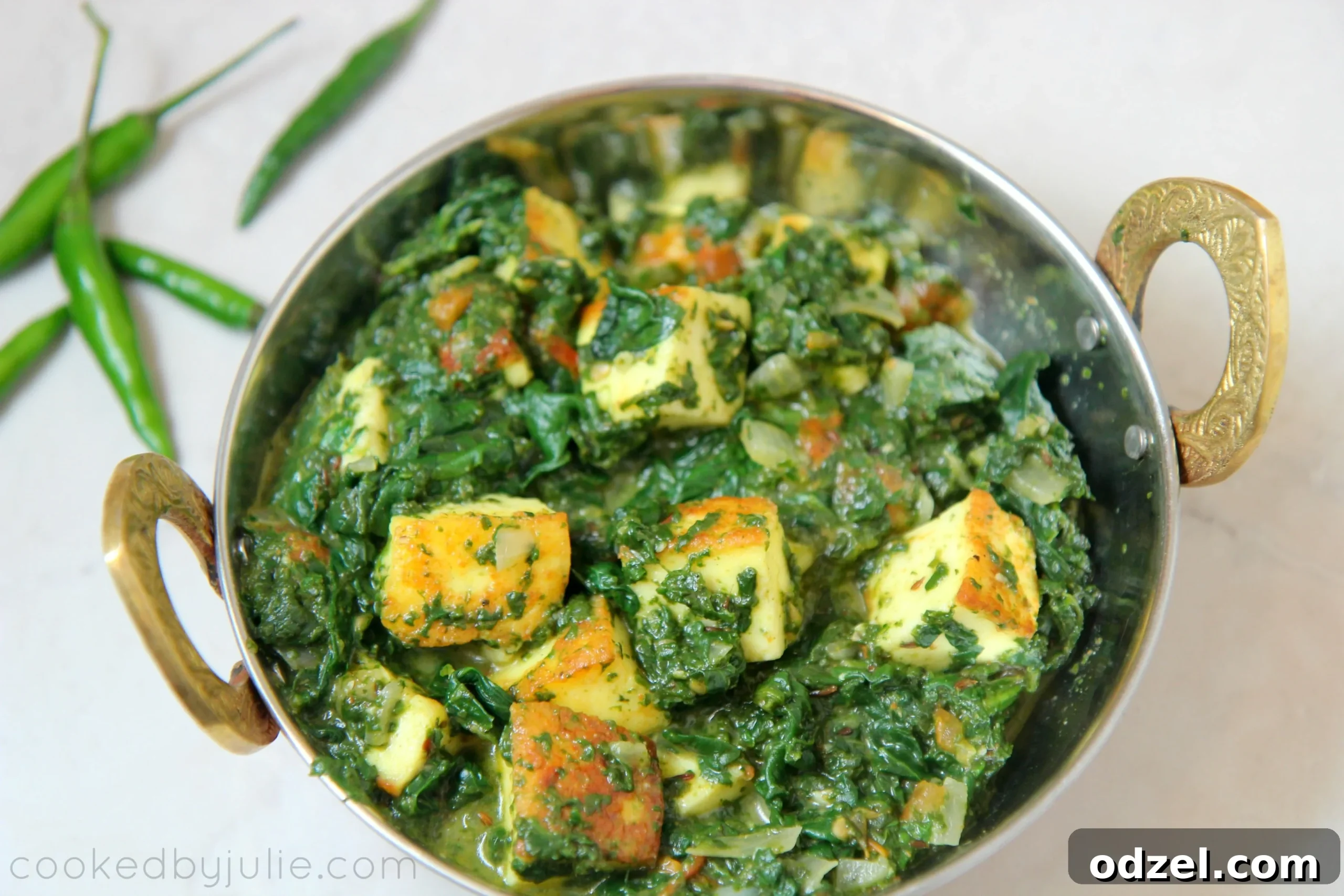
The Culinary Journey: Why Saag Paneer is a Must-Try
Beyond its simple description, Saag Paneer offers a culinary experience that is both comforting and exhilarating. It embodies the essence of North Indian cooking – rich, aromatic, and deeply flavorful, yet balanced and wholesome. Here’s why this dish deserves a permanent spot in your recipe collection:
Healthy and Nutritious Powerhouse
Saag Paneer is a nutritional champion. Spinach, the primary green used, is incredibly rich in iron, vitamins K and A, and various antioxidants, contributing significantly to overall well-being. Paneer, on the other hand, is an excellent source of protein and calcium, essential for muscle health and strong bones. Combined, these ingredients create a meal that is both filling and packed with vital nutrients, supporting a healthy lifestyle without compromising on taste. It’s a smart way to get your greens in, especially for those who might typically shy away from vegetables.
Dietary Inclusivity: Keto-Friendly, Gluten-Free, and Vegetarian
In today’s diverse culinary landscape, finding delicious recipes that cater to specific dietary needs can be a challenge. Saag Paneer naturally fits several popular dietary preferences. It’s inherently vegetarian, providing a robust and satisfying plant-based meal. For those avoiding gluten, this dish is a perfect choice, as all its core ingredients are naturally gluten-free. Furthermore, with its high fat content from paneer and heavy cream, and low carbohydrate count from spinach and aromatic vegetables, it seamlessly aligns with a ketogenic diet. This makes it an ideal option for families with varied eating habits or for individuals looking for a compliant yet flavorful meal.
Quick and Easy Weeknight Marvel
Despite its exotic appeal, Saag Paneer is surprisingly straightforward to prepare, making it an ideal candidate for busy weeknights. The process involves a few simple steps: blanching and pureeing the spinach, pan-frying the paneer, and then simmering everything in a richly spiced onion-tomato gravy. With a total preparation and cooking time of around 30 minutes, you can have a gourmet Indian meal on your table faster than ordering takeout. Its simplicity belies its incredible depth of flavor, proving that healthy, delicious food doesn’t have to be complicated.
The Magic of Leftovers: Even Better the Next Day
Perhaps one of the most endearing qualities of Saag Paneer is how well it keeps and how its flavors deepen over time. Like many curries, the spices and ingredients in Saag Paneer marry and meld further as they rest, resulting in an even more harmonious and intense flavor profile the day after it’s made. This makes it an excellent dish for meal prepping, allowing you to cook a larger batch and enjoy flavorful, ready-to-eat meals throughout the week. Simply reheat gently on the stovetop or in the microwave, and you’ll be treated to a dish that’s perhaps even more delicious than when it was freshly made.
The Heart of India: A Brief History of Saag Paneer
Saag Paneer is deeply rooted in the culinary traditions of North India, particularly Punjab. This region is known for its fertile lands, abundant dairy production, and a cuisine that features rich, hearty dishes. The use of paneer, a staple in North Indian kitchens, along with seasonal greens, reflects the agricultural bounty of the area. Historically, “saag” referred to a variety of greens, often mustard greens (sarson) during winter months, cooked down slowly with spices and ghee to create a warming and nutritious meal. The addition of paneer, often fried to a golden crisp, transformed these simple greens into a more substantial and luxurious offering. Over generations, this combination evolved, becoming a beloved dish enjoyed across India and by Indian diaspora worldwide. It represents comfort, tradition, and the harmonious blend of simple, wholesome ingredients into something truly extraordinary.
Mastering the Ingredients: What You Need for Perfect Saag Paneer
Creating an authentic and flavorful Saag Paneer begins with understanding the role of each key ingredient. While the recipe is relatively simple, selecting quality components and knowing how they contribute to the final dish will elevate your cooking.
The Stars: Paneer and Spinach (Saag)
- Paneer (14 ounces): This fresh Indian cheese is the heart of the dish. Look for firm, fresh blocks of paneer. You can often find it in Indian grocery stores or specialty food sections. While some recipes call for unfried paneer, lightly frying it adds a beautiful golden crust and a slightly chewy texture that holds up wonderfully in the curry.
- Spinach (16 ounces): Fresh spinach is preferred for its vibrant color and earthy flavor. Wash it thoroughly to remove any grit. While traditionally mustard greens are also used for saag, spinach provides a milder, more universally appealing base. If fresh spinach isn’t available, high-quality frozen spinach can be a good substitute (see tips below).
- Cilantro (1 small bunch): Fresh coriander, or cilantro, is used both in the pureed greens for depth of flavor and as a fresh garnish, adding a bright, herbaceous finish to the dish.
The Aromatic Base: Building Depth of Flavor
- Ginger Garlic Paste (1 tbsp): A fundamental aromatic in Indian cooking. This paste provides a pungent, spicy, and earthy base. You can buy pre-made paste or easily make your own by blending equal parts fresh ginger and garlic with a little water.
- Small Onion (1): Finely chopped, the onion forms the foundational sweetness and body for the curry. It needs to be sautéed until translucent to develop its flavor fully.
- Tomatoes (2): Diced or pureed, tomatoes add acidity, sweetness, and help create a smooth, rich gravy. They also contribute to the beautiful color of the saag.
- Green Chilies (2): These provide the primary source of heat. Adjust the quantity based on your preference for spice. For a milder dish, remove the seeds. For more heat, use spicier varieties or add an extra chili.
The Spice Symphony: Essential Indian Masalas
- Bay Leaf (1): A whole bay leaf is used at the beginning of cooking to infuse the oil with a subtle, aromatic background note.
- Cumin Seeds (1 tsp): Whole cumin seeds are tempered in hot oil, a technique called “tadka.” This releases their warm, earthy, and slightly pungent flavor, forming a crucial aromatic foundation for the curry.
- Garam Masala (1 tbsp, divided): This is a signature North Indian spice blend, typically containing coriander, cumin, cardamom, cloves, cinnamon, and black pepper. It’s added in two stages: some to season the paneer, and the rest to the curry base, to build complex layers of flavor.
- Turmeric (1/4 tsp): Known for its brilliant yellow color and earthy, slightly bitter flavor, turmeric is also a powerful anti-inflammatory. It’s used to season the paneer and adds a warm hue to the entire dish.
The Finishing Touch: Creaminess and Seasoning
- Heavy Cream (3 tbsp): This is what gives Saag Paneer its signature rich, creamy texture and mellows the spices. For a lighter version, you can reduce the amount or use a dairy-free alternative like coconut milk for a vegan twist.
- Olive Oil (1 tbsp): Used for frying the paneer and sautéing the aromatics. Any neutral cooking oil will work.
- Salt and Pepper (to taste): Essential for balancing and enhancing all the flavors in the dish.
- Lemon Juice (optional): A squeeze of fresh lemon juice at the end can brighten the flavors and add a refreshing zest.
Step-by-Step Guide: How to Make Irresistible Saag Paneer
Creating delicious Saag Paneer at home is a rewarding experience. Follow these detailed steps to achieve a perfectly balanced and flavorful dish:
1. Prepare the Paneer
- Slice the 14 ounces of paneer into bite-sized cubes.
- In a bowl, drizzle the paneer cubes with 1 tablespoon of olive oil.
- Season the paneer generously with 1/4 teaspoon of turmeric, salt, pepper, and 1 teaspoon of garam masala. Toss gently to ensure all sides are coated.
- Heat a skillet over high heat. Once hot, add the seasoned paneer cubes and fry for approximately 1 minute on each side, until golden brown and slightly crispy. Be careful not to overcrowd the pan.
- Remove the fried paneer from the skillet and set it aside on a plate lined with a paper towel to drain any excess oil.
2. Blanch and Puree the Spinach
- Bring a large pot of water to a rolling boil and salt it generously.
- While the water heats, roughly chop the 16 ounces of fresh spinach and 1 small bunch of cilantro.
- Add the chopped spinach to the boiling water and cook for just 1-2 minutes until it wilts and turns bright green. Do not overcook.
- Immediately drain the spinach completely, pressing out as much water as possible.
- Transfer half of the blanched spinach and all of the fresh cilantro to a food processor. Blend until you achieve a smooth puree. Set aside. (You can leave some spinach coarsely chopped for texture, or puree all of it for a smoother curry.)
3. Build the Flavor Base (Tadka)
- In the same skillet (or a clean pan) used for the paneer, warm up a fresh drizzle of olive oil or ghee over medium heat.
- Add 1 bay leaf and 1 teaspoon of cumin seeds. Let the cumin seeds splutter and pop, releasing their aroma, usually about 30 seconds. Be careful not to burn them.
- Stir in the remaining garam masala (usually about 2 teaspoons, depending on how much was used for paneer) and cook for another 15-20 seconds until fragrant.
- Add the chopped small onion, 2 diced tomatoes, and 2 green chilies to the pan. Sauté for 2-3 minutes, or until the onions become translucent and the tomatoes soften.
- Add 1 tablespoon of ginger-garlic paste and cook for an additional 30 seconds, stirring constantly, until the raw aroma disappears.
4. Combine and Simmer
- Stir the pureed spinach and cilantro into the spiced onion-tomato base.
- Gently fold in the fried paneer cubes.
- Pour in 3 tablespoons of heavy cream. Stir well to combine all ingredients.
- Season the saag paneer with salt and pepper to taste. You can also add a squeeze of fresh lemon juice at this stage if desired, for a brighter flavor.
- Reduce the heat to medium-low and let the Saag Paneer simmer for about 10 minutes. This allows the flavors to meld beautifully and the curry to thicken slightly. Stir occasionally to prevent sticking.
5. Garnish and Serve
- Once the curry has simmered, remove the bay leaf.
- Garnish with some fresh, finely chopped coriander, if desired, for an extra burst of freshness.
- Serve your authentic Saag Paneer hot and enjoy!
Video
Top Tips and Recipe Variations for Your Saag Paneer
Making Saag Paneer is an art that allows for personal touches and adjustments. Here are some expert tips and exciting variations to help you customize this classic dish to your liking:
Tips for the Best Saag Paneer
- Don’t Overcook the Spinach: When blanching, cook the spinach for just 1-2 minutes until it’s vibrant green and wilted. Overcooking will result in a dull color and loss of nutrients.
- Squeeze Out Excess Water: After blanching, it’s crucial to squeeze out as much water as possible from the spinach. This prevents the curry from becoming watery and ensures a rich, thick consistency.
- Fry the Paneer for Texture: While raw paneer can be used, lightly frying it until golden adds a delicious chewy texture and prevents it from crumbling too much in the curry.
- Adjust Spice Levels: The green chilies are key to the heat. For a milder dish, use fewer chilies or deseed them. For more heat, add a pinch of red chili powder along with the other spices.
- Embrace Fresh Aromatics: Don’t skimp on fresh ginger and garlic. These aromatics are fundamental to the authentic flavor profile of Saag Paneer.
- Taste and Adjust: Always taste your curry before serving and adjust salt, pepper, or lemon juice as needed. A final squeeze of lemon can really brighten the flavors.
Recipe Variations to Explore
- Vegan Saag: Easily make this recipe vegan by replacing the paneer with firm or extra-firm tofu (pressed and pan-fried) or chickpeas. Substitute the heavy cream with full-fat coconut milk or a plant-based cooking cream for a rich and creamy vegan version.
- Alternative Greens: Experiment with different greens for unique flavor profiles. Try a mix of spinach and mustard greens (sarson), fenugreek leaves (methi), kale, or collard greens. Each will bring its own distinct character to the dish.
- Add More Vegetables: If you’re not a fan of cheese or simply want to boost the vegetable content, you can easily make a spinach base and stir in your favorite vegetables. Sautéed mushrooms, green peas, corn, or even diced potatoes can be delicious additions.
- Lighter Version: For a less indulgent version, you can reduce the amount of heavy cream or replace it with a lighter dairy option like half-and-half, or even a spoonful of plain Greek yogurt stirred in at the end (off the heat to prevent curdling).
- Smoky Flavor: For an added depth of flavor, consider charring the green chilies and tomatoes slightly before adding them to the base. This adds a subtle smoky note.
Frequently Asked Questions About Saag Paneer
Here are answers to some common questions about making and enjoying Saag Paneer:
Can I substitute fresh spinach with frozen spinach?
Absolutely! Frozen spinach is a perfectly acceptable and convenient substitute for fresh spinach. If you’re using frozen spinach, make sure to thaw it completely and then squeeze out as much excess water as possible before adding it to your food processor for pureeing. This step is crucial to prevent your Saag Paneer from becoming watery.
What exactly is paneer and where can I buy it?
Paneer is a fresh, non-melting cheese common in Indian cuisine. It has a firm texture similar to firm tofu, and a mild, milky flavor that readily absorbs spices. You can typically find paneer in the dairy or international foods section of larger supermarkets, or more reliably at Indian or Asian grocery stores. Many specialty cheese shops also carry it, or you can even try making it at home!
How long does Saag Paneer last, and can I store leftovers?
Saag Paneer makes excellent leftovers and can be stored in an airtight container in the refrigerator for up to 3-4 days. As mentioned, the flavors often deepen and improve overnight, making it a great meal prep option. To reheat, gently warm it on the stovetop over medium-low heat, stirring occasionally, or microwave in short bursts until heated through.
Can Saag Paneer be frozen?
Yes, Saag Paneer freezes well! Allow the cooked dish to cool completely, then transfer it to a freezer-safe airtight container. It can be stored in the freezer for up to 2-3 months. When you’re ready to enjoy it, thaw it in the refrigerator overnight and then reheat gently on the stovetop, adding a splash of water or cream if it seems too thick.
What should I serve with Saag Paneer?
Saag Paneer is incredibly versatile. It pairs beautifully with a variety of accompaniments:
- Indian Breads: Naan (garlic naan is a fantastic choice), roti, paratha, or chapati are classic pairings, perfect for scooping up the creamy curry.
- Rice: Basmati rice or jeera (cumin) rice complement the flavors wonderfully.
- Low-Carb Options: For keto or low-carb diets, cauliflower rice is an excellent substitute. You can also serve it with a side of steamed vegetables.
- Side Salad or Raita: A simple cucumber or tomato salad, or a cooling yogurt raita, can provide a refreshing contrast to the richness of the curry.
More Indian-Inspired Culinary Adventures
If you’ve enjoyed the flavors of this Saag Paneer, you might also like to explore other Indian-inspired recipes:
- Paneer Salad
- Instant Pot Butter Chicken
- Spiced Indian Lentils
Recipe Summary: Saag Paneer – Keto Friendly, Gluten-Free, Vegetarian
This Saag Paneer is the ultimate weeknight meal. If you love spinach and cheese, then you will devour this.
- Author: Julie Maestre
- Prep Time: 10 minutes
- Cook Time: 20 minutes
- Total Time: 30 minutes
- Course: Main Dish
- Cuisine: Indian
- Servings: 4 servings
- Keyword: easy saag paneer, healthy saag paneer
Nutrition Information
Nutrition information is automatically calculated, so should only be used as an approximation.
- Calories: 410kcal
- Carbohydrates: 11g
- Protein: 17g
- Fat: 33g
- Saturated Fat: 18g
- Cholesterol: 80mg
- Sodium: 197mg
- Potassium: 682mg
- Fiber: 4g
- Sugar: 2g
- Vitamin A: 10835IU
- Vitamin C: 36.6mg
- Calcium: 607mg
- Iron: 3.5mg
Nutrition information is automatically calculated, so should only be used as an approximation.