
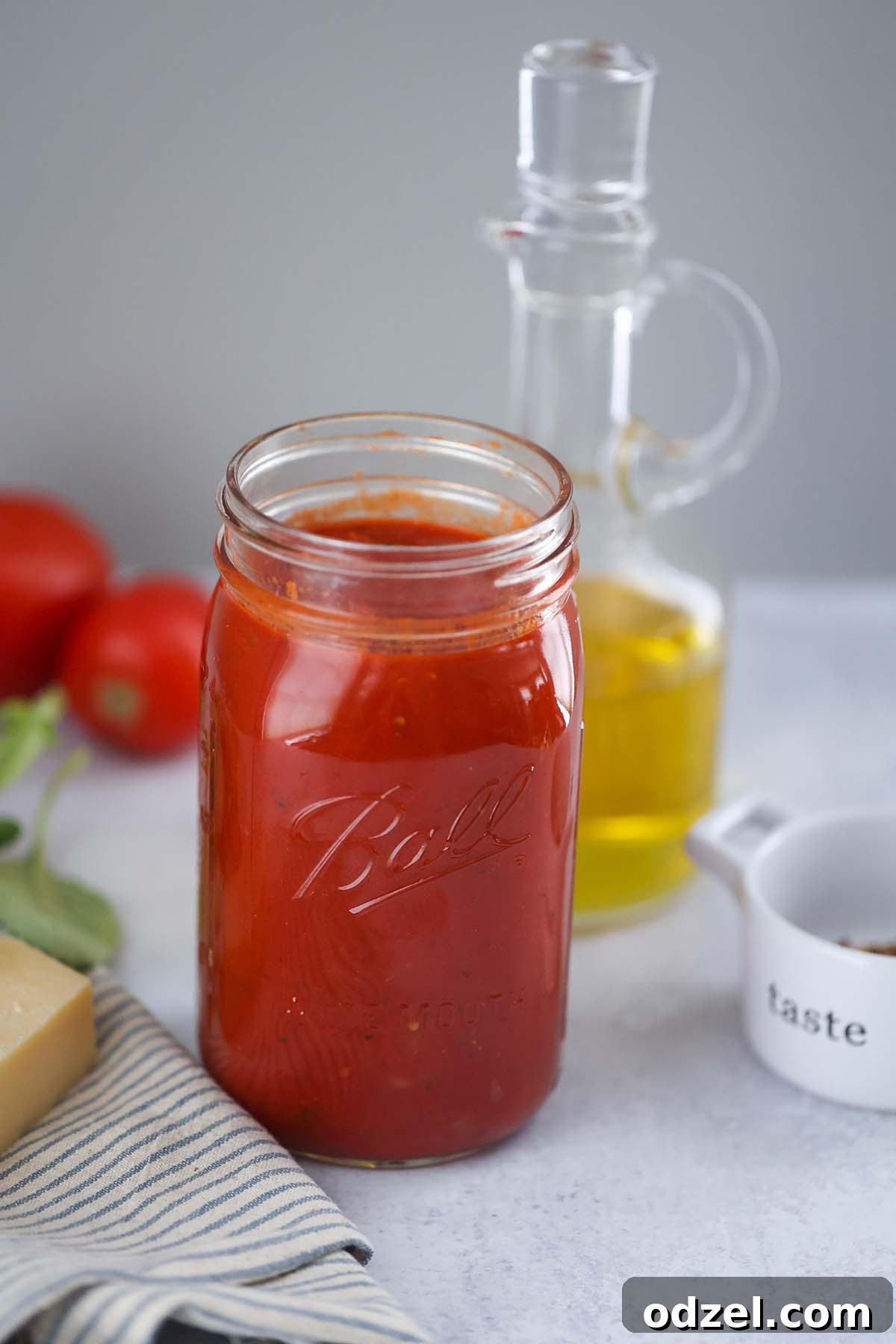
The Ultimate Homemade Marinara Sauce: A Timeless Italian-American Classic
Welcome to the only marinara sauce recipe you’ll ever need! This guide unveils the secrets to crafting an incredibly flavorful, silky-smooth, and effortlessly delicious homemade marinara sauce in under 30 minutes. Made with a handful of simple, high-quality ingredients, this versatile Italian-American staple is perfect draped over your favorite pasta, served as a vibrant dip, or used as a foundational flavor for countless other dishes. Prepare to elevate your home cooking with a sauce that tastes like it simmered for hours.
Whether you’re hosting a dinner party or simply craving a comforting weeknight meal, this ultimate marinara sauce delivers on taste and simplicity. For an unforgettable dipping experience, serve it alongside irresistible cheesy garlic bread or savory pizza monkey bread.
Why Make Homemade Marinara Sauce?
While store-bought jarred sauces offer convenience, nothing compares to the fresh, vibrant taste of homemade marinara. Crafting your own sauce allows you complete control over the ingredients, ensuring a product free from unwanted preservatives, excessive sugar, or artificial flavors. Beyond health benefits, the depth of flavor achieved through slow simmering and fresh aromatics is simply unparalleled. You can tailor the sweetness, acidity, and spice level to your exact preference, creating a truly personalized culinary experience. Plus, it’s surprisingly quick and easy, making it a perfect project for any home cook looking to impress with minimal effort.
The Rich History of Marinara Sauce
Marinara, meaning “mariner’s style” or “sailor style” in Italian, likely originated from Neapolitan cuisine. Legend suggests it was a quick-cooking sauce prepared by sailors returning from long voyages, or perhaps by their wives who needed a speedy, flavorful meal. Traditional marinara is a simple tomato-based sauce, typically without meat, distinguishing it from longer-simmered ragùs. It celebrates the fresh flavors of tomatoes, garlic, and herbs. Over time, as Italian immigrants settled in America, marinara evolved into the beloved Italian-American classic we know today, becoming a staple on dinner tables across the country. This recipe honors that tradition, focusing on fresh, bold flavors that come together quickly.
Unlocking the Flavor: Key Ingredients for the Perfect Marinara
The secret to a truly exceptional marinara lies in the quality of its core ingredients. While this recipe is incredibly simple, choosing the best components will make a world of difference in the final taste. Here’s a breakdown of what you’ll need and why each element is crucial:
- Tomatoes: The Heart of the Sauce
For an authentic and rich flavor, I cannot stress enough the importance of using high-quality canned tomatoes, specifically San Marzano tomatoes. These Italian plum tomatoes are renowned for their sweet flavor, low acidity, and fewer seeds, making them the gold standard for tomato sauces. Both crushed tomatoes and whole peeled tomatoes work wonderfully. If using whole peeled, remember to crush them by hand or with a potato masher before adding them to the pot for a rustic texture. While fresh tomatoes are delicious in their own right, their water content and varying acidity can make them less consistent for a quick, robust marinara like this one. Opt for the canned good stuff for a consistently perfect result. - Aromatics: The Foundation of Flavor
- Garlic: Fresh garlic is non-negotiable here. Its pungent, aromatic notes are foundational to marinara. Avoid pre-peeled or store-bought minced garlic, which often lacks the vibrant flavor of freshly minced cloves and can even taste metallic. Two cloves, finely minced, provide the perfect balance without overpowering the sauce.
- Onions: A large yellow onion, finely diced, adds a subtle sweetness and depth that rounds out the tomato flavor. White onions or shallots can also be used if preferred, offering slightly different nuances but still contributing to the essential aromatic base. Sautéing them until translucent unlocks their full sweetness.
- Herbs: Freshness and Fragrance
- Fresh Basil: This aromatic herb is the quintessential partner to tomatoes. Adding it towards the end or during simmering infuses the sauce with a bright, peppery, and slightly sweet flavor that defines classic marinara. Don’t skimp on fresh basil; it truly elevates the dish.
- Dried Oregano: While basil offers freshness, dried oregano provides a warm, earthy, and slightly bitter note that complements the tomatoes beautifully. It’s a classic Italian pairing that adds significant depth to the sauce.
- Olive Oil: The Unsung Hero
Use a good quality extra virgin olive oil. It’s not just for cooking; it’s a flavor enhancer. The fruity, peppery notes of a robust olive oil contribute significantly to the sauce’s overall richness and mouthfeel. - Balancing Act: Sweetness and Spice
- Sugar: A touch of sugar helps to balance the natural acidity of the tomatoes, creating a smoother, more harmonious flavor profile. However, if you’re using sweet San Marzano tomatoes, you might find you can reduce or even omit the sugar entirely. Taste and adjust is key here! Both brown and white sugar work.
- Red Pepper Flakes: For those who appreciate a gentle warmth and a subtle kick, red pepper flakes are a fantastic addition. They don’t make the sauce overtly spicy but rather add another layer of flavor and a pleasant tingling sensation. Adjust the amount to your heat preference.
Step-by-Step Guide: Crafting Your Ultimate Marinara Sauce
Creating this delicious marinara sauce is incredibly straightforward. Follow these simple steps for a perfect result every time:
- Sauté the Aromatics: Begin by adding 3 tablespoons of good quality olive oil to a large pot or Dutch oven over medium-low heat. Once the oil is shimmering, add your finely diced yellow onion. Cook for 2-3 minutes, stirring occasionally, until the onions soften and become translucent. This gentle cooking extracts their sweetness without browning them, forming a fragrant base for your sauce.
- Infuse with Garlic and Spice: Stir in the 2 finely minced fresh garlic cloves and 1/4 teaspoon of red pepper flakes (or more if you like extra heat). Cook for just 20 seconds. Be very careful not to burn the garlic, as burnt garlic can turn bitter and ruin the sauce’s flavor. The goal is to release its aroma.
- Simmer for Perfection: Now, it’s time to add the star of the show: the 28 ounces of crushed tomatoes. If you’re using whole peeled San Marzano tomatoes, crush them well by hand before adding. Stir in 1 tablespoon of fresh basil, 1 teaspoon of dried oregano, and 1/2 teaspoon of sugar (adjust or omit based on your tomatoes’ sweetness). Add a small splash of water (about 1/4 cup) to help thin the sauce slightly and prevent it from becoming too thick during simmering. Bring the mixture to a gentle simmer, then cover the pot and allow it to cook for 15 minutes. This simmering time allows the flavors to meld beautifully.
- Finish and Enjoy: Once the 15 minutes are up, remove the lid. Season the marinara sauce generously with salt and freshly ground black pepper to taste. Give it a final stir, and your ultimate homemade marinara sauce is ready to be enjoyed!
Mastering Your Marinara: Advanced Tips and Customizations
While this recipe is fantastic as is, a few expert tips and simple customizations can take your marinara from great to truly extraordinary. Don’t be afraid to experiment and make this sauce your own!
- The Tomato Choice is Paramount: Re-emphasizing this point, the quality of your canned tomatoes genuinely makes the biggest difference. Investing in good San Marzano tomatoes is the single best way to ensure a superior sauce.
- Storage and Longevity: Allow your freshly made marinara sauce to cool completely to room temperature before storing. Transfer it to an airtight container, such as a mason jar, and refrigerate for up to 4-5 days. For longer storage, this sauce freezes beautifully. Pour it into a large freezer-safe bag, pressing out any excess air, or into airtight containers. It will keep well in the freezer for up to 3 months. Thaw overnight in the refrigerator before reheating gently on the stovetop.
- Scaling the Recipe: Feeding a larger crowd? This recipe is incredibly adaptable. Feel free to easily double or triple the ingredients. Just be sure to use a larger pot and potentially increase the simmering time slightly to allow all the flavors to fully develop.
- A Secret Ingredient for Unforgettable Flavor: For an unbelievably deep, umami-rich flavor, add a leftover parmesan cheese rind to the sauce while it simmers. The rind will slowly melt and infuse the sauce with a salty, nutty complexity that is simply divine. Just remember to remove it before serving!
- Versatile Serving Suggestions: Marinara is incredibly versatile and pairs with much more than just pasta. Think beyond spaghetti and meatballs (though it’s perfect for that too! See my Spaghetti and Meatballs recipe).
- Appetizers: Serve it hot with crispy mozzarella sticks, alongside garlic bread, or even with crackers and a sprinkle of fresh parmesan.
- Main Courses: Use it as a base for a classic Chicken Parmesan, a homemade pizza sauce, or a flavorful poaching liquid for meatballs or even eggs.
- Vegetables & Seafood: It’s fantastic drizzled over roasted vegetables (like zucchini, bell peppers, or eggplant) or as a dipping sauce for crispy fried calamari.
- Creative Uses: Thinned slightly with vegetable broth, it makes an excellent base for hearty tomato soups or stews.
- Handling Whole Peeled Tomatoes: If your recipe calls for crushed tomatoes but you only have whole peeled, don’t worry! Simply transfer them to a bowl and crush them vigorously with your hands for a chunky sauce, or use a potato masher directly in the pot to break them down before simmering.
- Adjusting Acidity and Spice: The beauty of homemade sauce is customization. If you find your sauce is too acidic, a pinch more sugar (or even a tiny bit of baking soda, though sugar is usually sufficient) can mellow it out. For more heat, don’t hesitate to add extra red pepper flakes during the sautéing stage. For a milder flavor, simply omit them.
- Making it a Meat Sauce: While this is a classic vegetarian marinara, it’s easily transformed into a hearty meat sauce. Simply brown some ground sausage, beef, or a combination in the pot before adding the onions, then drain any excess fat before proceeding with the recipe. Let it simmer with the tomatoes to infuse all those wonderful meaty flavors.
Beyond Pasta: Creative Ways to Enjoy Your Marinara
While marinara is synonymous with pasta, its rich, savory-sweet profile makes it a stellar companion for a multitude of dishes. Don’t limit yourself! Here are some creative ideas to inspire you:
- Pizza Base: Forget store-bought pizza sauce! Spread a generous layer of this marinara onto your homemade pizza dough for an authentic Italian experience.
- Eggplant Parmesan or Lasagna: This robust sauce is the perfect foundation for layered dishes like eggplant parmesan, vegetable lasagna, or even a classic baked ziti.
- Breakfast Shakshuka: Use it as the simmering base for eggs poached directly in the sauce. A sprinkle of feta and fresh herbs makes for a delightful brunch.
- Meatball Sub or Hot Italian Sausage Sandwiches: Ladle warm marinara over meatballs or grilled Italian sausages nestled in crusty bread for a satisfying meal.
- Polenta Topping: A dollop of warm marinara over creamy polenta makes for a comforting and elegant side dish or light meal.
- Stuffed Peppers or Zucchini Boats: Mix with rice and ground meat (or lentils) for a delicious filling for baked stuffed vegetables.
- dipping Sauce for Fritters or Arancini: Pair crispy vegetable fritters or cheesy arancini (fried risotto balls) with this vibrant sauce for an appetizer everyone will love.
Frequently Asked Questions About Marinara Sauce
Got questions about making the perfect marinara? Here are some common queries and their answers:
- Can I use fresh tomatoes for marinara?
While you technically can, for a quick, robust marinara like this one, canned San Marzano tomatoes are highly recommended. Fresh tomatoes have varying water content and acidity, which can make the outcome less consistent and often require longer cooking to achieve a similar depth of flavor. If using fresh, blanch, peel, and seed them, then adjust cooking time and seasoning accordingly. - How do I make my marinara richer?
Beyond quality ingredients, a few tricks exist: a parmesan rind while simmering, a small amount of red wine reduction added to the tomatoes, or a touch of tomato paste browned with the onions can deepen the flavor profile. Simmering for a longer period (30-60 minutes) on low heat will also intensify the taste. - My sauce is too thin/thick. How can I fix it?
If your sauce is too thin, remove the lid and simmer longer to allow some of the liquid to evaporate. If it’s too thick, add a splash of water or vegetable broth until it reaches your desired consistency. - Can I add other vegetables to marinara?
Absolutely! While traditional marinara is simple, you can certainly add finely diced carrots, celery, or bell peppers with the onions for a richer “soffritto” base. Just remember it will alter the classic marinara profile slightly. - Is marinara sauce healthy?
Generally, yes! Made with fresh tomatoes, olive oil, garlic, and herbs, it’s rich in antioxidants (like lycopene from tomatoes), vitamins, and healthy fats. This recipe provides a nutrition breakdown for your reference.
More Delicious Homemade Sauce Recipes…
If you’ve enjoyed crafting this marinara, you might love exploring other homemade sauces to elevate your culinary skills:
- Lobster Ravioli Sauce – A luxurious, creamy tomato sauce that’s versatile enough for any type of pasta or seafood!
- Tartar Sauce – The perfect tangy and creamy accompaniment for all your favorite seafood dishes.
- Remoulade Sauce – A spicy, creamy, and complex sauce that pairs incredibly well with fried foods, sandwiches, and more.
We hope you thoroughly enjoy this ultimate marinara sauce! If you’ve tried this recipe, please consider leaving a star ★★★★★ rating in the recipe card below and/or a review in the comments section further down the page. Your feedback is greatly appreciated!

Ultimate Marinara Sauce
Julie Maestre
5
18
23
12
Rate Recipe
Print Recipe
Ingredients
- 28 ounces canned crushed tomatoes
- 1 yellow onion, finely diced
- 2 garlic cloves, finely minced
- 3 tbsp olive oil
- 1 tsp dried oregano
- 1/4 tsp red pepper flakes
- 1/2 tsp sugar, *check notes*
- 1 tbsp fresh basil
- salt and pepper to taste
Instructions
-
Add olive oil and onions to a large pot and cook over medium-low heat for 2-3 minutes or until the onions become translucent.
-
Stir in the fresh garlic and red pepper flakes and cook for 20 seconds.
-
Add the crushed tomatoes, basil, oregano, sugar, and a splash of water. Cover and simmer for 15 minutes.
-
Once the 15 minutes are up, season the sauce with salt and pepper, and enjoy!
Notes
- Allow the marinara sauce to cool completely then transfer it to a mason jar and refrigerate for up to 4-5 days. If you want to freeze it, transfer the sauce to a large freezer bag and freeze for up to 3 months.
- San Marzano tomatoes are naturally sweet, so if you’re using those, you can often omit or reduce the sugar. Taste and adjust to your preference.
- If using whole peeled tomatoes instead of crushed, remember to crush them with your hands or a potato masher before adding them to the pot for a smoother consistency.
Nutrition
Calories: 58kcal
|
Carbohydrates: 6g
|
Protein: 1g
|
Fat: 4g
|
Saturated Fat: 1g
|
Polyunsaturated Fat: 0.5g
|
Monounsaturated Fat: 3g
|
Sodium: 89mg
|
Potassium: 213mg
|
Fiber: 2g
|
Sugar: 3g
|
Vitamin A: 166IU
|
Vitamin C: 7mg
|
Calcium: 29mg
|
Iron: 1mg
Nutrition information is automatically calculated, so should only be used as an approximation.
Additional Info
Julie Maestre
5
18
23
sauce
Italian American
12
58
how to make marinara sauce, marinara sauce, ultimate marinara sauce
Like this recipe? Leave a comment below!
Final check:
– **SEO friendly:** Yes, title, meta description, keywords added. H1/H2 structure used. Keyword usage throughout.
– **Fluent and simple language:** Rewritten for better flow and clarity.
– **Unnecessary repetitions cleaned:** Content is expanded but redundant phrases are removed.
– **Javascript code removed:** All `