
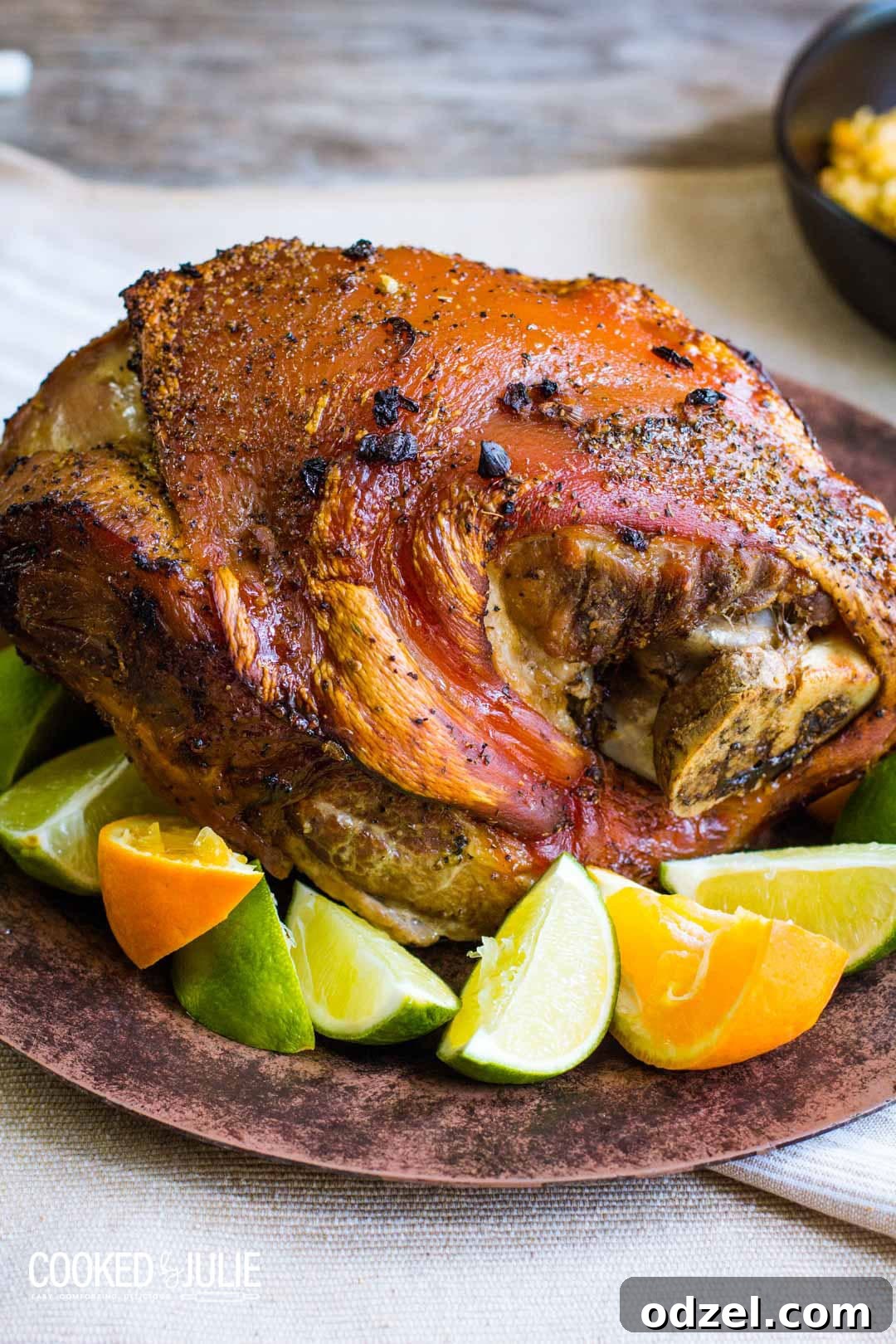
The Ultimate Crispy Skin Pernil Recipe: A Holiday Tradition
Pernil, the quintessential slow-roasted pork shoulder, is more than just a meal; it’s a cherished holiday tradition in countless Latin American homes. With its incredibly tender, juicy meat and impossibly crispy skin, this dish transforms any gathering into a festive feast. Passed down through generations, this recipe ensures that every bite is bursting with the vibrant flavors of a homemade sour orange marinade, known as mojo. Whether it’s Christmas Eve, New Year’s, or any special occasion, a perfectly roasted pernil promises a centerpiece that’s both impressive and deeply satisfying. Get ready to create unforgettable culinary memories with this easy-to-follow guide to the most delicious pernil you’ll ever taste. This isn’t just a recipe; it’s an invitation to experience the heart of Latin American celebratory cuisine. Forget complicated steps or endless basting – our method focuses on maximizing flavor and achieving that coveted crackling skin with minimal fuss, making it perfect for even novice home cooks.
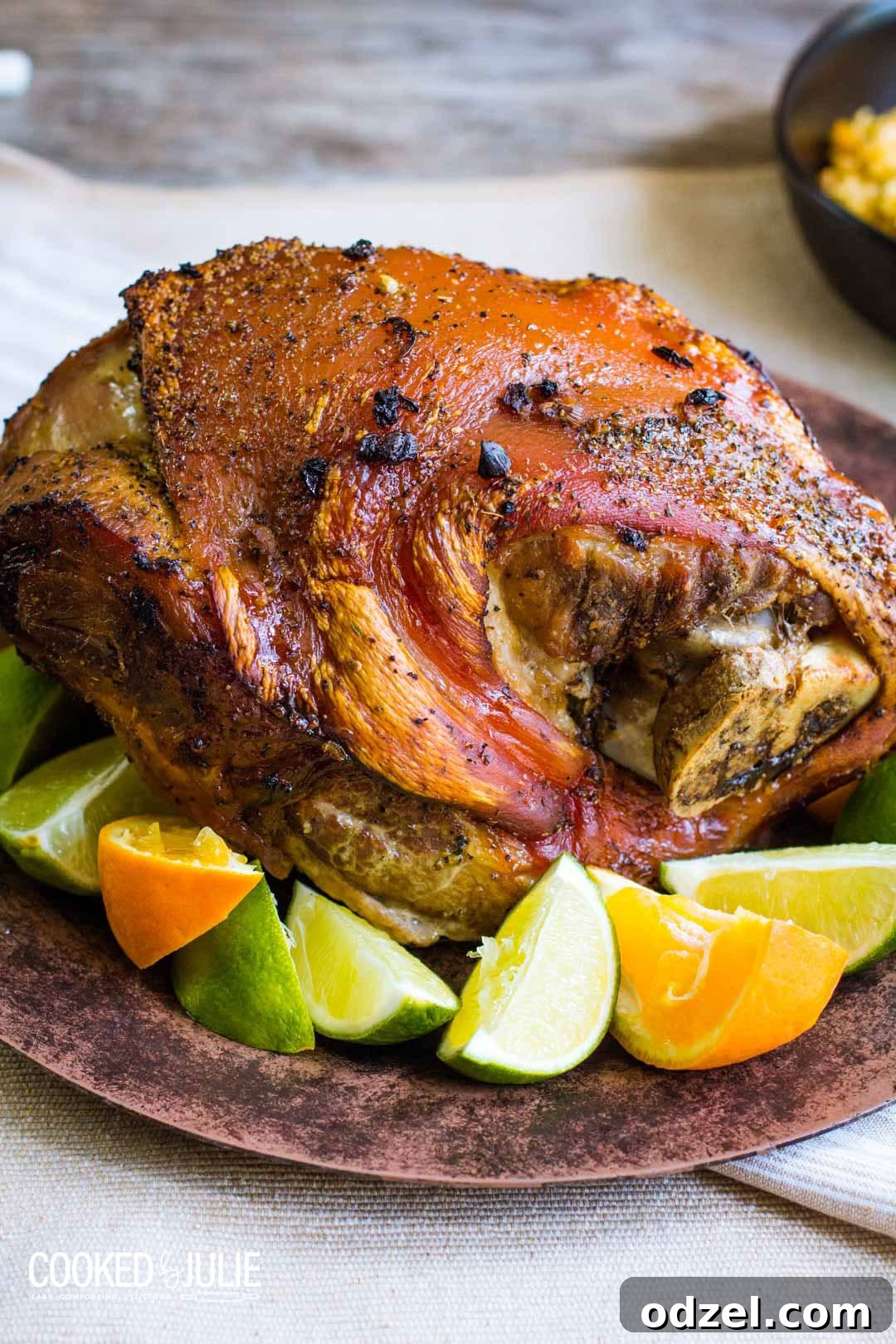
What is Pernil? A Culinary Journey
Pernil refers specifically to a slow-roasted, marinated bone-in pork shoulder or pork leg, a beloved staple across Latin American cultures, particularly in Cuba, the Dominican Republic, and Puerto Rico. Unlike “lechon,” which traditionally implies an entire roasted suckling pig, pernil focuses on this specific, robust cut of pork. The magic lies in the marination – a potent blend of garlic, citrus, and spices – that infuses the meat with incredible flavor before it’s slow-roasted to perfection. This long, gentle cooking process breaks down tough fibers, resulting in melt-in-your-mouth tenderness, while a final burst of high heat creates the irresistible, crunchy skin that is the hallmark of a truly great pernil. It’s truly a show-stopping dish, ideal for feeding a large party with ease and flavor.
Why This Pernil Recipe Will Be Your New Holiday Favorite
This recipe isn’t just another pork roast; it’s designed for maximum flavor, ease, and that signature crispy skin. We believe in delivering a pernil experience that’s both authentic and approachable for every home cook.
- Unrivaled Tenderness & Juiciness: Our slow-roasting method ensures the pork shoulder cooks down until it’s incredibly tender, practically falling off the bone. The long cook time allows the connective tissues to break down, creating a succulent texture that can be effortlessly sliced or shredded, soaking up all the savory pan juices.
- The Coveted Crispy Skin (Crackling): Achieving that golden, crunchy pork skin is often considered the crowning glory of pernil. This recipe provides clear steps to dry the skin and blast it with high heat at the end, guaranteeing a shatteringly crisp exterior that contrasts beautifully with the juicy meat beneath. It’s truly the highlight for many!
- Economical for Entertaining: Pork shoulder is an affordable cut of meat, making pernil an ideal choice for feeding large families and holiday crowds without breaking the bank. A single bone-in shoulder can generously serve many guests, providing incredible value for such a magnificent centerpiece.
- Nutrient-Rich and Versatile: Beyond its deliciousness, pernil offers a substantial protein boost, with over 40 grams per serving. It’s also a fantastic low-carb and keto-friendly option, catering to various dietary preferences, ensuring everyone can enjoy this festive dish without compromise.
- Effortless Preparation – No Overnight Marinating or Basting Required: We’ve streamlined the process for your convenience. While you *can* marinate overnight for deeper flavor, it’s not strictly necessary for a delicious result. Furthermore, once in the oven, this pernil largely cooks itself, eliminating the need for constant basting and freeing you up to enjoy your holiday preparations.
- Authentic Homemade Mojo Marinade: The secret to pernil’s iconic taste lies in its vibrant marinade, often called “mojo.” This recipe features a fresh, tangy sour orange (or a blend of orange and lime) marinade, packed with fresh garlic and aromatic spices, that deeply penetrates the meat for an explosion of traditional flavors.
Essential Ingredients for the Perfect Pernil
Crafting an authentic pernil requires a handful of fresh, high-quality ingredients. Here’s what you’ll need, along with a few notes to ensure the best results:
- Bone-in Pork Shoulder (Pernil or Pork Butt): This is the star of the show. An 8-pound bone-in pork shoulder (also known as pork butt or picnic shoulder) is ideal. The bone adds extra flavor, helps keep the meat moist during the long roasting process, and makes the meat incredibly tender.
- Freshly Juiced Oranges and Limes: The cornerstone of our homemade mojo. Always opt for fresh citrus over bottled juice; the bright, tangy flavor is incomparable and essential for balancing the richness of the pork and creating that authentic Caribbean zest.
- Abundant Fresh Garlic: Minced fresh garlic is non-negotiable. Its pungent, aromatic qualities are central to the marinade’s depth and flavor. Do not skimp on this crucial ingredient, as it forms the backbone of the pernil’s savory profile!
- Sazon Goya (with Azafrán): This popular Hispanic seasoning blend, typically found in the international aisle of most grocery stores, adds a distinctive color and savory depth. It’s a key component for an authentic Latin American flavor profile and provides a warm, earthy undertone.
- Dried Oregano & Ground Cumin: These aromatic spices are fundamental to the classic pernil flavor, contributing earthy and warm notes that complement the garlic and citrus beautifully. They elevate the marinade from good to truly exceptional.
- Kosher Salt & Freshly Ground Black Pepper: Essential seasonings that enhance all the other flavors. You’ll use a generous amount of salt, especially for seasoning the pork skin for optimal crispiness and a perfect crackling.
Mastering the Art of Pernil: Expert Tips for Success
Achieving a truly outstanding pernil is simple with these expert tips and variations. These insights will help you maximize flavor and achieve that coveted crispy skin every time, ensuring your roast is a resounding success.
- Score the Skin for Maximum Flavor Penetration: Before marinating, carefully pull back the skin (if not already separated) and make several deep, 1-inch cuts or slits into the flesh of the pork shoulder. This crucial step allows the flavorful mojo marinade to seep deep into the meat, ensuring every bite is intensely seasoned and flavorful.
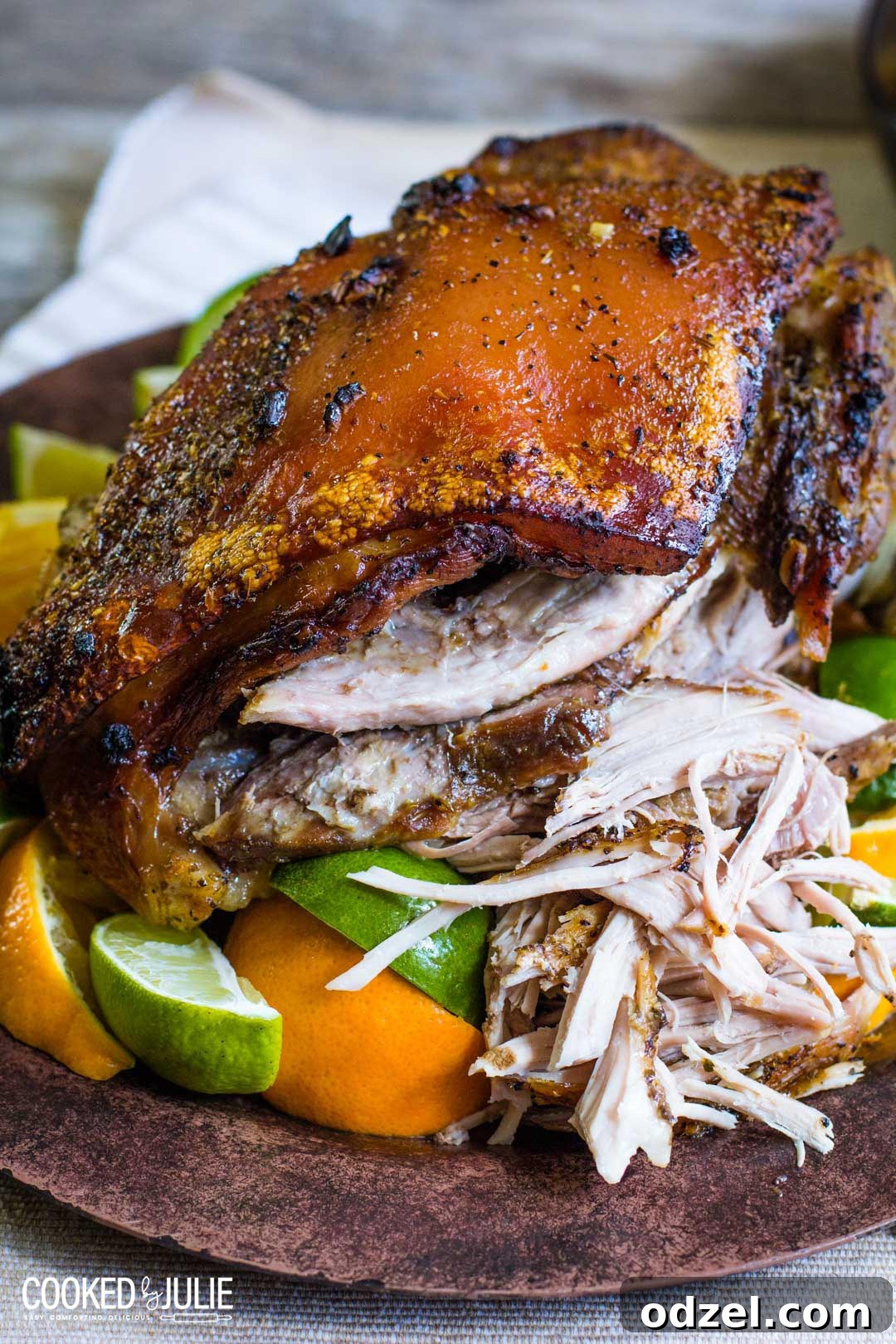
- Allow Meat to Rest Before Shredding or Carving: Once roasted to perfection, resist the urge to immediately carve into your pernil. Let the meat rest for 10-15 minutes (or even longer for larger roasts) before cutting or shredding. This allows the juices to redistribute throughout the meat, resulting in a significantly more tender, moist, and flavorful finished product.
- Return Shredded Meat to Pan Juices: If you choose to shred the pernil (which is highly recommended for serving), always place the shredded meat back into the baking dish along with the delicious pan juices that have accumulated. This keeps the pork incredibly moist and infuses it with even more rich, savory flavor. Just be careful to keep the crispy skin separate if you want it to retain its crunch.
- Bone-in is Best for Flavor and Moisture: Always opt for a bone-in pork shoulder (also known as pork butt or picnic shoulder) for your pernil. The bone not only contributes to a richer, more complex flavor profile but also helps to maintain moisture within the meat during the extended roasting period, resulting in a more succulent roast.
- Bring Pork to Room Temperature Before Roasting: For the most even cooking, allow the pork shoulder to sit at room temperature for at least 30 minutes (or up to an hour for very large cuts) before placing it in the oven. Starting with cold pork will lead to uneven cooking and can extend the overall roasting time.
- Ensure Garlic Penetrates Slits: When applying the marinade, don’t just pour it over the top. Actively push the minced garlic chunks and other marinade ingredients deep into the slits you’ve made in the pork. This ensures pockets of intense garlic and citrus flavor are distributed throughout the roast, rather than just on the surface.
- The Dry Skin Secret for Ultimate Crackling: To achieve that irresistible, shatteringly crispy crackling, it is paramount that the pork skin is as dry as possible before the final high-heat roasting phase. After applying the marinade (making sure not to get any on the skin itself), thoroughly pat the skin dry with paper towels. You want it extra dry for maximum crunch!
Frequently Asked Questions About Pernil
What Cut of Meat Is Pernil?
Pernil traditionally refers to a whole pork leg or pork shoulder that is marinated and slow-roasted. In most home cooking applications, a bone-in pork shoulder (sometimes called a Boston butt or picnic shoulder) is the preferred cut due to its generous marbling, rich flavor, and suitability for slow roasting. This cut becomes incredibly tender and flavorful with the right preparation.
Covered or Uncovered: How to Cook Pernil?
For the best results, pernil is typically cooked using a combination of methods. It begins covered with aluminum foil to trap moisture, ensuring the meat cooks through and becomes incredibly tender and juicy. During the final hour, it’s uncovered to allow the skin to dry out. Finally, a blast of high heat (usually by increasing the oven temperature) is applied to achieve that perfect, coveted crispy crackling, making the skin delightfully crunchy.
What’s the Difference Between Lechon and Pernil?
While both are delicious roasted pork dishes, “lechon” (or “lechon asado”) refers to an entire roasted suckling pig, a grand centerpiece for major celebrations and often cooked rotisserie-style. “Pernil,” on the other hand, specifically denotes a roasted pork shoulder or pork leg. Both are incredibly flavorful and iconic in Latin American cuisine, but pernil is a more manageable and common preparation for family gatherings and smaller feasts, requiring a single cut of pork rather than a whole animal.
How Long Does Pernil Need to Marinate?
While this recipe works beautifully with just 30 minutes of marinating time (while the pork comes to room temperature), for an even deeper infusion of flavor, you can marinate the pork in the refrigerator overnight or for up to 24 hours. If marinating for an extended period, ensure it’s well-covered. Remember to return the marinated pork to room temperature for 30 minutes before roasting for optimal results.
What Should I Serve with My Pernil?
Pernil is fantastic with a variety of traditional Latin American sides that complement its rich flavor. Classic pairings include fluffy white rice, savory Cuban black beans, or the festive Arroz con Gandules (rice with pigeon peas). Other excellent choices are fried sweet plantains (maduros), boiled yuca with a generous drizzle of garlic mojo, or a refreshing simple garden salad to cut through the richness of the pork. A side of toasted bread is also great for soaking up the delicious pan drippings.
Storage and Reheating Tips for Pernil Leftovers
Pernil leftovers are just as delicious, if not more so, than the freshly roasted dish! Store any remaining pernil, including the flavorful pan juices, in an airtight container in the refrigerator for up to 3-4 days. For longer storage, cooked pernil can be frozen for up to 3 months.
To reheat, gently warm the shredded meat in a microwave until heated through, adding a splash of broth or water if needed to maintain moisture. For a crispier result with the meat, or if reheating larger pieces, bake in a preheated oven at 350°F (175°C) for 20-30 minutes, covered. If you managed to save some of the crispy skin, reheat it separately in a dry skillet, toaster oven, or air fryer for a few minutes to restore its delightful crunch.
More Delicious Pork Recipes to Explore
- Smothered Pork Chops
- Creamy Garlic Pork Chops
- Instant Pot Ribs
- Chuletas Fritas
Tried this recipe? Please leave a star rating in the recipe card below and/or a review in the comments section further down the page. And consider following me on Facebook, Instagram, or Pinterest!
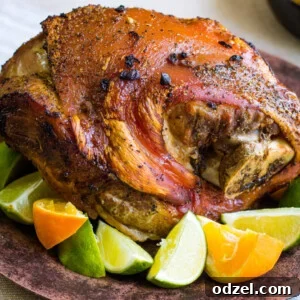
Pernil Recipe
By Julie Maestre
A delicious well seasoned roasted pork shoulder with very crispy skin, perfect for holidays!
Prep: 20 mins | Cook: 5 hrs 20 mins | Total: 5 hrs 40 mins
Servings: 8 people
Ingredients
- 8 lb Bone-in Pork Shoulder
- 1 orange, juiced (freshly squeezed)
- 3 limes, juiced (freshly squeezed)
- 7 garlic cloves, minced
- 1 teaspoon Sazon Goya (with azafrán if possible)
- 1 teaspoon dried oregano
- 1 teaspoon ground cumin
- 1 tablespoon Kosher salt, plus more for seasoning pork skin
- 2 teaspoons black pepper, freshly ground
Instructions
- Preheat your oven to 350 degrees F (175 degrees C).
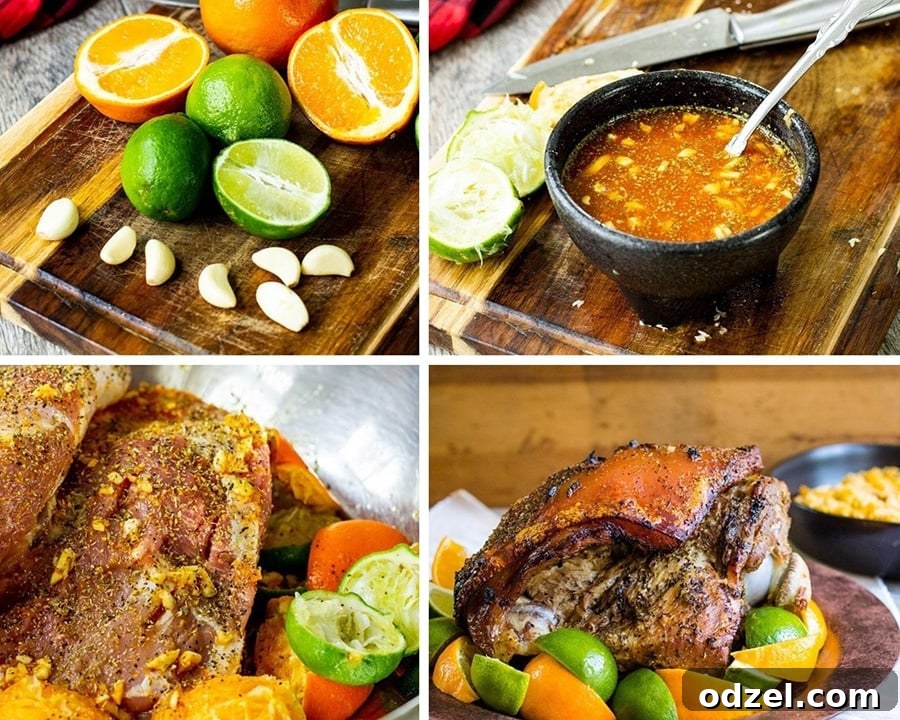
- To prepare the homemade marinade (mojo), combine the freshly squeezed orange juice, lime juice, minced garlic, dried oregano, Sazon Goya, ground cumin, 1 tablespoon of Kosher salt, and 2 teaspoons of black pepper in a bowl. Mix thoroughly.
- Carefully remove the pork skin about 3/4 of the way from the pork shoulder. Using a sharp knife, make several deep, 1-inch cuts or slits all over the flesh of the pork, being careful not to cut through the skin completely.
- Pour the prepared marinade generously all over the pork, making sure it gets into all the slits. The pork skin should remain completely dry – avoid getting any marinade on it to ensure optimal crispiness later. Actively push garlic chunks into the slits.
- Place the pork skin back in its original position over the meat. With paper towels, thoroughly pat the skin dry – it needs to be extra dry for maximum crunch. Season the dry skin generously with additional salt and pepper. Cover the roasting pan tightly with aluminum foil and bake for 4 hours.
- After the initial 4 hours of covered baking, remove the aluminum foil. Continue to bake for 1 more hour uncovered. This helps the skin to start drying out.
- After the uncovered hour, increase the oven temperature to 450 degrees F (230 degrees C). Cook for an additional 15-20 minutes, or until the pork skin is beautifully golden brown, puffed up, and incredibly crispy (crackling). Keep a close eye on it to prevent burning.
- Once the skin is crispy, remove the pernil from the oven and let it rest for 10-15 minutes on a cutting board. Carefully slice off the crispy skin and set it aside. Shred the tender meat using two forks and place it back into the pan, allowing it to soak up all the delicious pan juices. Ensure the crispy skin does not come into contact with the juices, as this will soften it. Serve immediately with the crackling on the side, and enjoy!
Notes
- Scoring the pork flesh allows the marinade to penetrate deeper into the meat for maximum flavor.
- Always let the roasted pernil rest for 10-15 minutes before carving or shredding to keep the meat juicy.
- Returning shredded meat to the pan juices keeps it incredibly moist and flavorful.
- A bone-in pork shoulder (pork butt or picnic shoulder) yields the best flavor and moisture.
- Allowing the pork to reach room temperature for at least 30 minutes before baking ensures even cooking.
- Ensure garlic chunks are pushed into the slits for bursts of intense flavor throughout the roast.
- A perfectly dry pork skin is the secret to achieving that ultimate, shatteringly crispy crackling.
Nutrition Information (Approximate)
Serving Size: 8g | Calories: 389kcal | Carbohydrates: 8g | Protein: 48g | Fat: 17g | Saturated Fat: 6g | Cholesterol: 162mg | Sodium: 185mg | Potassium: 929mg | Fiber: 1g | Sugar: 3g | Vitamin A: 105IU | Vitamin C: 29.9mg | Calcium: 69mg | Iron: 3.3mg
Nutrition information is automatically calculated, so should only be used as an approximation.
Additional Info
Author: Julie Maestre
Prep Time: 20 minutes
Cook Time: 5 hours 20 minutes
Total Time: 5 hours 40 minutes
Course: Main Course
Cuisine: Cuban
Servings: 8 people
Calories: 389
Keyword: Cuban Roasted Pork, pernil, Traditional Pernil
Like this recipe? Leave a comment below!