
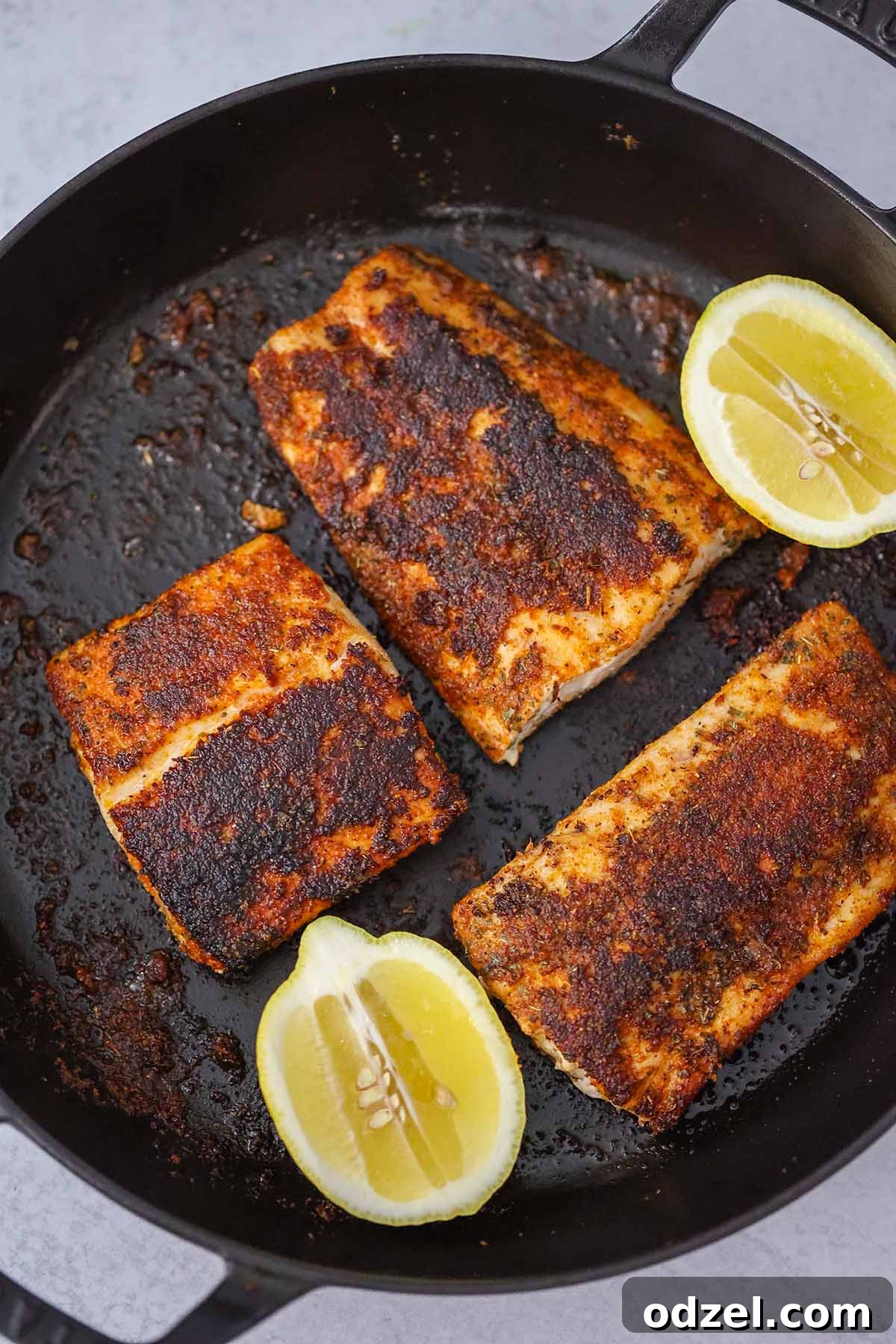
Prepare to tantalize your taste buds with this incredible pan-seared blackened mahi mahi recipe! This method isn’t just my absolute favorite way to prepare this versatile fish; it’s also remarkably simple, fast, and yields a restaurant-quality meal right in your own kitchen. By generously coating the mahi mahi fillets with a vibrant, spicy seasoning blend and searing them to perfection in a hot pan, you’ll achieve that irresistible dark, crusty exterior and succulent, flaky interior that defines truly amazing blackened fish. The process is straightforward: brush with butter, season generously, and pan-sear until it’s beautifully cooked through, offering a gourmet experience with minimal effort.
What is Mahi Mahi? Exploring this Versatile Seafood
Mahi-mahi, often recognized by its vibrant colors and sleek, powerful appearance, is a popular fish found in tropical and subtropical ocean waters worldwide. Known scientifically as *Coryphaena hippurus*, it goes by several other evocative names, including dolphinfish (though it’s important to note it’s not related to marine mammals like dolphins) and dorado, particularly in Spanish-speaking regions. This impressive pelagic fish is highly prized by anglers and chefs alike for its firm yet tender texture, mild sweet flavor, and large flakes when cooked. Its flesh typically boasts a light pinkish hue when raw, turning off-white and opaque as it cooks. Mahi mahi fillets are ideal for various cooking methods, from grilling and baking to frying and, of course, pan-searing. Its delightful flavor profile makes it an excellent choice for a wide array of dishes, whether you’re crafting gourmet fish tacos, building a satisfying fish sandwich, or savoring it simply on its own with a squeeze of lemon.
Beyond its delicious taste, mahi mahi is also a fantastic choice for a healthy diet. It’s a lean protein source, rich in essential vitamins and minerals, making it a staple in many cuisines. When sourcing mahi mahi, look for fresh fillets with a firm texture and a clean, ocean-like smell. If using frozen, ensure it’s thawed properly to maintain its integrity and flavor, as described in our ingredient notes below.
Why You’ll Love This Blackened Mahi Mahi Recipe
This blackened mahi mahi recipe isn’t just another dish; it’s a culinary experience designed for maximum enjoyment and convenience. Here are compelling reasons why it’s bound to become a regular in your meal rotation:
- Low-Carb and Keto-Friendly: In today’s health-conscious world, finding delicious recipes that fit specific dietary needs is a boon. This blackened mahi mahi is naturally low in carbohydrates and perfectly aligns with a ketogenic lifestyle. By focusing on lean protein and healthy fats, it helps you stay on track without sacrificing flavor or satisfaction. It’s a guilt-free indulgence that supports your wellness goals.
- Rich Source of Essential Nutrients: Beyond its fantastic taste, mahi mahi is a nutritional powerhouse. It’s an excellent source of high-quality protein, crucial for muscle repair and growth, as well as providing sustained energy. Furthermore, it’s packed with B vitamins, specifically B3 (niacin), B6, and B12. These vitamins play vital roles in energy metabolism, nerve function, and red blood cell formation, contributing to overall health and vitality. Incorporating mahi mahi into your diet is a flavorful way to boost your nutrient intake.
- Flaky, Delicious, and Lightning Fast: Imagine a meal that tastes like it took hours to prepare but comes together in mere minutes. This recipe delivers just that! The pan-searing technique creates a beautiful, dark crust while sealing in the moisture, resulting in incredibly flaky and tender fish that melts in your mouth. What’s more, from prep to plate, this entire dish cooks in under 10 minutes, making it an ideal choice for busy weeknights when you crave something extraordinary without the fuss.
- Versatile Serving Options for a Complete Meal: This blackened mahi mahi is incredibly adaptable, pairing wonderfully with a variety of sides to create a well-rounded and delightful dinner. For a refreshing contrast, serve it with a vibrant creamy corn salad. If you prefer something heartier, accompany it with perfectly roasted potatoes. Other fantastic options include fluffy rice, quinoa, a simple green salad, grilled asparagus, or even as the star ingredient in fish tacos or a light sandwich. The possibilities are endless, allowing you to customize your meal to suit any occasion or preference.
Key Ingredient Notes for Perfect Blackened Mahi Mahi
The success of any great recipe lies in understanding its core ingredients. Here’s a deeper look into what you’ll need to create your flawless blackened mahi mahi:
- Mahi Mahi: The star of our dish! You can use either fresh or frozen mahi mahi fillets for this recipe. If opting for fresh, look for firm, glistening fillets with no strong “fishy” odor. For frozen mahi mahi, proper thawing is crucial to ensure even cooking and prevent a watery result. Always thaw completely in the refrigerator overnight or under cold running water before cooking, then pat dry thoroughly. Fillets should ideally be about 1-inch thick for optimal cooking time and texture.
- Spices: The Heart of Blackening: The signature “blackened” flavor comes from a robust blend of spices. My preferred combination includes: paprika (for warmth and color), dried oregano, dried thyme, granulated onion, garlic powder, and cayenne pepper (for that essential kick), balanced with salt and black pepper. This blend creates a deeply savory, slightly smoky, and spicy crust. However, the beauty of this recipe is its flexibility! Feel empowered to customize the spice levels to your preference. If you love more heat, add extra cayenne. For a milder profile, reduce it. You can also experiment with other additions like cumin, chili powder, or even a touch of brown sugar for a hint of sweetness.
- Butter: Flavor and Adhesion: Melted butter plays a dual role here. Firstly, it infuses the fish with a rich, savory flavor that complements the spices beautifully. Secondly, and equally important, it acts as an adhesive, helping the generous spice rub cling perfectly to the fish fillets, ensuring every bite is packed with flavor and contributes to that fantastic crust. Clarified butter (ghee) can also be used if you prefer to avoid butter solids that can burn at high heat, though regular unsalted butter works perfectly for pan-searing over medium heat.
- Oil for Searing: When searing, choosing the right oil is paramount. You need an oil with a high smoke point to prevent it from burning and imparting a bitter taste to your fish. Excellent choices include canola oil, vegetable oil, grapeseed oil, or avocado oil. These oils can withstand the medium-high heat required for blackening without breaking down. Avoid using olive oil, especially extra virgin olive oil, as its low smoke point makes it unsuitable for this high-heat cooking method.
Expert Tips for the Best Blackened Mahi Mahi
Achieving perfectly blackened mahi mahi is simple with a few insider tricks. Follow these top tips to ensure your fish is always flavorful, tender, and beautifully seared:
- Pat Dry for Superior Sear: Before you even think about seasoning, grab some paper towels and thoroughly pat dry both sides of your mahi mahi fillets. Excess moisture on the surface of the fish will steam rather than sear, preventing that desirable dark, crispy crust from forming. A dry surface allows the spices to adhere better and promotes efficient browning, resulting in that authentic blackened texture and intense flavor. This crucial step is often overlooked but makes a world of difference.
- Mind the Heat – Medium is Key: While “blackened” implies intense heat, it doesn’t mean scorching hot. Cook the fish fillets over medium heat, not high heat. High heat will cause the exterior spices to burn quickly, resulting in a bitter taste and a charred appearance without adequately cooking the interior of the fish. Medium heat allows the spices to toast and deepen in flavor, creating a rich, dark crust while ensuring the fish cooks evenly through to a tender, juicy finish. Patience with heat control is a virtue in blackening!
- Bring Fish to Room Temperature: For the most even cooking, take your mahi mahi fillets out of the refrigerator at least 20-25 minutes before you plan to start cooking. This allows the fish to come closer to room temperature. Cooking very cold fish directly from the fridge can lead to uneven cooking, where the exterior might cook too quickly while the center remains undercooked. Bringing it to room temperature helps the fish cook more consistently and reduces the overall cooking time needed, leading to a perfectly tender result.
- Don’t Overcrowd the Pan: When searing, resist the urge to cram too many fillets into your skillet. Overcrowding lowers the pan’s temperature, leading to steaming instead of searing. This prevents the formation of that beautiful blackened crust. Cook in batches if necessary, giving each fillet enough space to breathe and interact directly with the hot pan, ensuring maximum flavor development and a perfect sear.
Can I Season Blackened Mahi Mahi in Advance? Absolutely!
Preparing meals ahead of time is a fantastic way to streamline your cooking process and enhance flavors, and this blackened mahi mahi recipe is no exception. In fact, I highly encourage seasoning the fish in advance! This allows the aromatic spices to truly penetrate the flesh of the fish, deepening the flavor profile and ensuring every bite is infused with that wonderful blackened essence. You can generously season your mahi mahi fillets a couple of hours before you plan to cook them. Once seasoned, simply cover the fillets tightly with plastic wrap or place them in an airtight container and refrigerate them. When you’re ready to cook, remember our top tip: take the fish out of the fridge approximately 20-25 minutes beforehand. This step brings the fillets closer to room temperature, which is essential for even cooking and achieving that perfect golden-brown crust without overcooking the delicate interior. Pre-seasoning not only makes your meal prep easier but also contributes significantly to a more flavorful and tender final dish.
Storing and Reheating Blackened Mahi Mahi
Proper storage is key to enjoying your delicious blackened mahi mahi leftovers while maintaining their quality and safety. If you find yourself with any extra fillets, allow them to cool completely to room temperature before storing. This prevents condensation from forming inside the container, which can make the fish soggy and promote bacterial growth. Once cooled, transfer the mahi mahi to an airtight container and refrigerate promptly. Properly stored, it will remain fresh and delicious for up to 2 days.
When it comes to reheating, the goal is to warm the fish through without drying it out, as overcooked fish can become tough and rubbery. Here are a few recommended methods:
- Oven: Preheat your oven to 275-300°F (135-150°C). Place the mahi mahi on a baking sheet, possibly with a splash of water or a pat of butter, and cover loosely with foil. Reheat for 10-15 minutes, or until just heated through. The low temperature helps maintain moisture.
- Air Fryer: For a quick and crispy reheat, preheat your air fryer to 300°F (150°C). Cook for 3-5 minutes, checking frequently to ensure it doesn’t dry out. This method can help restore some of the crispy exterior.
- Stovetop: Heat a non-stick skillet over medium-low heat with a tiny bit of oil or butter. Add the mahi mahi and cover. Reheat gently for 3-5 minutes per side, or until warmed through. This slow, gentle heat helps preserve moisture.
Always reheat until the internal temperature reaches 145°F (63°C). Be cautious not to overcook, as fish can dry out very quickly during reheating. Leftover blackened mahi mahi is also fantastic flaked into salads, sandwiches, or even quick wraps for a delicious next-day meal.
Enjoyed this mouth-watering blackened mahi mahi recipe? Please consider leaving a five-star rating in the recipe section below and sharing your thoughts in the comments! Your feedback helps others discover and love this dish too. Don’t forget to connect with me on Facebook or Pinterest for more culinary inspiration!
Blackened Mahi Mahi
Julie Maestre
Pan searing is my absolute favorite way to cook blackened mahi mahi. I love how brushing the mahi mahi with butter, seasoning it generously, and pan-searing it creates a perfect crust and a moist, delicious interior in minutes.
5 mins
7 mins
12 mins
4
Rate Recipe
Print Recipe
Ingredients
- 1 lb mahi mahi, about four fillets
- 3 tablespoons unsalted butter, melted
- 1 tablespoon paprika
- 1 tablespoon garlic powder
- 2 teaspoons granulated onion
- 1 teaspoon black pepper
- 1 teaspoon oregano
- 1 teaspoon dried thyme
- 1 teaspoon cayenne pepper
- Salt to taste
- Oil for frying (canola or vegetable oil recommended)
- Lemon wedges, optional for serving
Instructions
- Pat dry the mahi mahi fillets with a paper towel to remove any excess moisture. Then, brush melted butter generously on both sides of each fillet.
- In a small bowl, combine all of the spices: paprika, garlic powder, granulated onion, black pepper, oregano, dried thyme, cayenne pepper, and salt. Mix thoroughly until well combined.
- Season the buttered fillets on both sides with the prepared spice mixture, ensuring an even coating.
- Heat oil in a heavy-bottomed skillet (cast iron works best) over medium heat until shimmering but not smoking.
- Carefully add the mahi mahi fillets to the skillet, being careful not to overcrowd the pan. It’s best to cook two to three fillets at a time, depending on your skillet size. Cook for approximately 4 minutes per side. For thicker fillets, cook for 4 minutes on the first side, then flip and cook for another 3-4 minutes, or until the fish is flaky and cooked through. Remember that cooking time will vary based on the thickness of the fish; always cook over medium heat to prevent burning.
- Once cooked, remove the blackened mahi mahi from the skillet. Serve immediately with fresh lemon wedges, if desired, and enjoy the rich, spicy flavors!
Notes
- Always pat dry the fish fillets with a paper towel before seasoning them to ensure a beautiful sear and crispy crust.
- Cook the fish fillets over medium heat. High heat can burn the spices and dry out the fish.
- For even cooking, allow the fish to sit out of the fridge for at least 20-25 minutes before cooking.
- Use an oil with a high smoking point, such as vegetable, canola, grapeseed, or avocado oil. Avoid olive oil for this method.
Nutrition Information
Calories: 191kcal | Carbohydrates: 4g | Protein: 22g | Fat: 10g | Saturated Fat: 6g | Polyunsaturated Fat: 1g | Monounsaturated Fat: 2g | Trans Fat: 0.3g | Cholesterol: 105mg | Sodium: 105mg | Potassium: 573mg | Fiber: 2g | Sugar: 0.4g | Vitamin A: 1557IU | Vitamin C: 1mg | Calcium: 45mg | Iron: 2mg
Nutrition information is automatically calculated and should only be used as an approximation.
Additional Info
Author: Julie Maestre
Prep Time: 5 minutes
Cook Time: 7 minutes
Total Time: 12 minutes
Course: Entree
Cuisine: American
Servings: 4
Calories: 191
Keyword: blackened mahi mahi, mahi mahi, pan seared mahi mahi, quick fish recipe, healthy seafood
Like this recipe? We’d love to hear from you! Please leave a comment or a star rating below.