
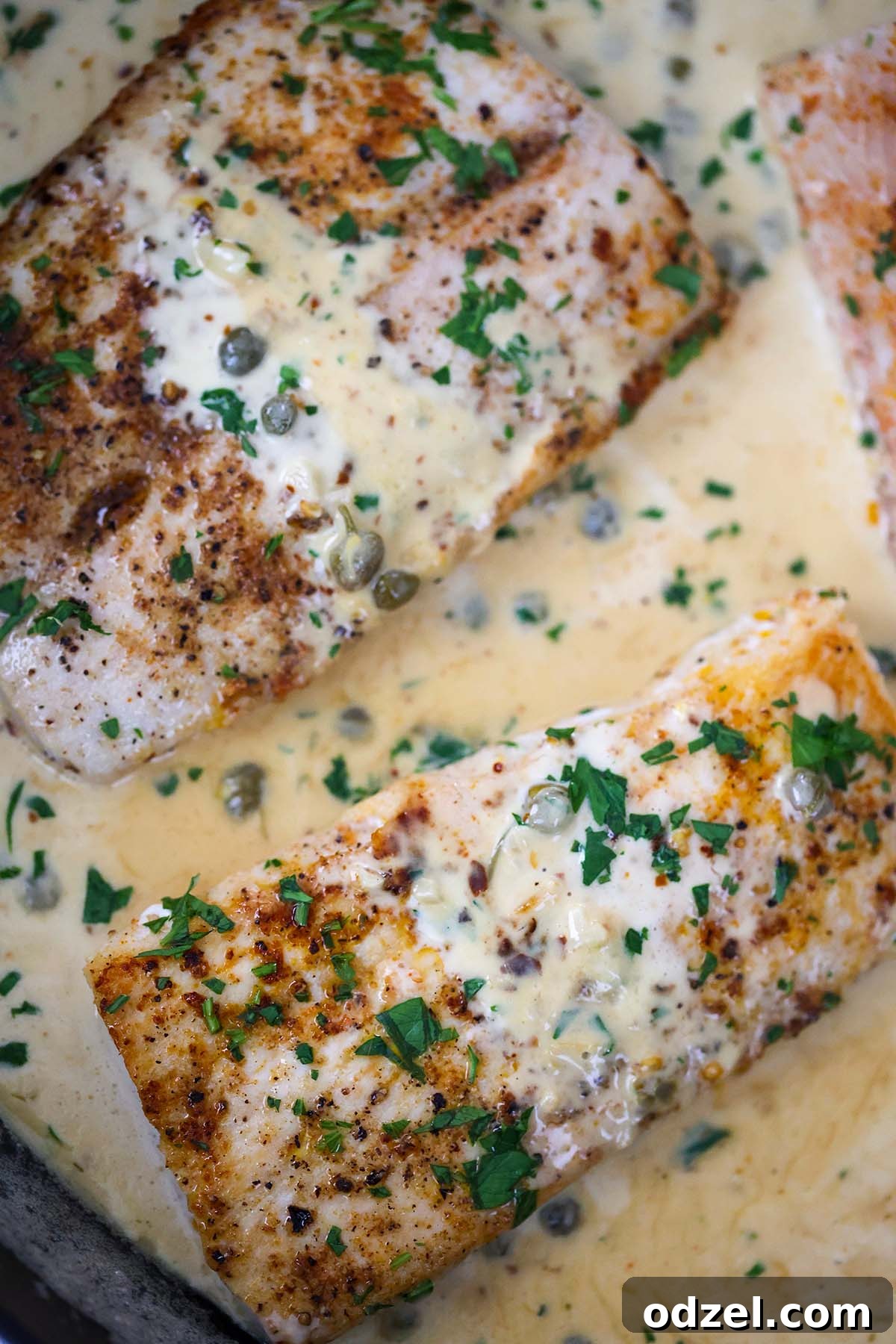
Creamy Mahi Mahi: Your Ultimate Guide to a Quick, Flavorful, and Healthy Seafood Dinner
Are you searching for a weeknight dinner that feels effortlessly gourmet, is packed with flavor, and comes together in a flash? This **Creamy Mahi Mahi** recipe is precisely what you need. Imagine succulent, tender, and flaky mahi mahi fillets, perfectly pan-seared and then enveloped in a luscious, velvety sauce. Infused with aromatic garlic, bright lemon, and a subtle hint of spice, this dish promises a restaurant-quality experience right in your home kitchen. Best of all, it’s a fantastic low-carb option that can be on your table in under 20 minutes, making it ideal for busy schedules without compromising on taste.
This recipe transforms simple ingredients into an extraordinary meal, proving that delicious and healthy cooking doesn’t have to be complicated. Whether you’re a seafood enthusiast or simply looking to expand your culinary repertoire, this creamy mahi mahi will quickly become a cherished favorite. The rich, comforting sauce is so delectable, you’ll want to serve it with a side that can soak up every last drop, like pasta or fragrant coconut rice.
Why This Creamy Mahi Mahi Recipe Will Be Your New Favorite
This isn’t just another fish recipe; it’s a culinary hack for busy individuals who crave flavorful, wholesome meals. Here’s why this creamy mahi mahi stands out:
- Unbelievably Fast: From preparing your ingredients to serving, this dish requires less than 20 minutes of your time. It’s the ultimate solution for quick and satisfying weeknight dinners.
- Simple Yet Sophisticated: Crafted with common pantry staples, the recipe delivers a complex and gourmet flavor profile that will impress without requiring advanced cooking skills.
- Diet-Friendly: As a low-carb meal, it’s an excellent choice for those managing their carbohydrate intake, providing a fulfilling and delicious option that fits various dietary needs.
- Perfectly Cooked Fish: Mahi mahi, a firm and versatile fish, cooks beautifully to a moist, tender, and flaky consistency, absorbing the rich flavors of the sauce.
- Sauce That Steals the Show: The buttery, garlicky, lemony cream sauce is the heart of this dish, making every bite an indulgence. Its exquisite taste makes it a superb complement to various side dishes.
- Family-Approved: The universally appealing flavors of creamy sauce and mild fish make this a hit with both adults and children, ensuring empty plates and satisfied smiles.
Mahi Mahi: A Superstar in the Seafood World
Mahi mahi, often referred to as dolphinfish (though it’s important to note it’s not related to the marine mammal dolphin), is a truly remarkable fish. Renowned for its firm texture, mild and slightly sweet flavor, and beautiful large flakes when cooked, it’s a favorite among chefs and home cooks alike. Its lean, white flesh makes it an ideal canvas for robust sauces and seasonings, holding its shape well during cooking.
Beyond its culinary appeal, mahi mahi is a nutritional powerhouse. It’s an excellent source of lean protein, essential for muscle repair and growth. It’s also rich in B vitamins (like B6 and B12), which are crucial for energy metabolism and nervous system health. Furthermore, mahi mahi provides vital minerals such as selenium (a powerful antioxidant), potassium (important for blood pressure regulation), and phosphorus (key for bone health). Incorporating this healthy fish into your diet offers a delicious way to boost your nutrient intake and enjoy the benefits of omega-3 fatty acids without an overly “fishy” taste.
Essential Ingredients for Your Luscious Creamy Mahi Mahi
The secret to this dish’s incredible flavor lies in the quality and preparation of a few key ingredients. Understanding their role will help you achieve perfection:
- Mahi Mahi Fillets: Opt for fresh or frozen fillets. If using frozen, ensure they are fully thawed in the refrigerator overnight or under cold running water before you begin cooking. Patting the fillets thoroughly dry with paper towels is a critical step; it allows the fish to sear properly and develop a golden crust, sealing in moisture and flavor. Aim for fillets that are roughly 1 inch thick for even cooking.
- Heavy Cream: This is the cornerstone of our rich and luxurious sauce. Use full-fat heavy cream or heavy whipping cream for the best results. Substitutes like half-and-half or milk are not recommended as they contain less fat and will yield a much thinner sauce that is prone to curdling when heated, failing to achieve that desired velvety texture.
- Lemon: Fresh is best! You’ll need both lemon zest for its intense aromatic oils and fresh lemon juice for its bright, tangy acidity. The zest provides a fragrant lift that cuts through the cream’s richness, while the juice adds a crucial finishing touch that balances the overall flavor. Avoid bottled lemon juice; fresh lemons make a significant difference.
- Parmesan Cheese: For a flawlessly smooth and decadent sauce, always grate your own Parmesan cheese from a quality block. Pre-grated Parmesan often contains cellulose or other anti-caking agents that can prevent it from melting properly, resulting in a grainy, clumpy sauce. Freshly grated Parmesan melts seamlessly, creating a silky texture and superior flavor.
- Fresh Garlic: Minced garlic forms the aromatic base of the sauce, infusing the butter and cream with its irresistible savory depth. Use fresh garlic for the most potent and authentic flavor.
- Red Pepper Flakes (Optional): For those who appreciate a gentle warmth and a subtle kick, red pepper flakes add a wonderful dimension. Adjust the quantity to match your preferred level of spice.
- Capers: These small, briny flower buds provide a burst of salty, tangy flavor that beautifully complements the lemon and rich cream, adding an intriguing layer of complexity to the sauce.
- Olive Oil & Butter: A combination of olive oil and butter is used for searing the fish and sautéing the aromatics. Olive oil helps achieve a high heat for searing without burning, while butter adds a rich, nutty depth of flavor to the sauce.
- Seasonings: A simple blend of salt, black pepper, garlic powder, and paprika is used to season the mahi mahi fillets. Paprika contributes a beautiful color and a mild, sweet earthiness, enhancing the fish’s natural flavor.
Step-by-Step Guide to Crafting Your Delicious Creamy Mahi Mahi
Follow these detailed instructions to create a perfectly cooked, tender mahi mahi enveloped in its exquisite cream sauce:
- Prepare the Mahi Mahi: Start by patting each mahi mahi fillet exceptionally dry with paper towels. This crucial step removes surface moisture, which is essential for achieving a beautiful golden-brown sear. Season both sides of the fillets generously with salt, freshly ground black pepper, garlic powder, and paprika, ensuring an even coating.
- Sear the Fish to Perfection: Heat 2 tablespoons of olive oil in a large, heavy-bottomed skillet (a cast-iron or good quality non-stick pan works best) over medium heat until the oil is shimmering and just beginning to smoke. Carefully place the seasoned mahi mahi fillets into the hot skillet in a single layer. If you have more than 3-4 fillets, cook them in batches to avoid overcrowding the pan, which can lower the temperature and steam the fish instead of searing it. Cook for exactly 2 minutes on each side until a beautiful golden-brown crust forms. This initial sear develops incredible flavor and texture. Once seared, remove the fish from the skillet and set it aside on a plate; it will finish cooking in the sauce.
- Build the Aromatic Sauce Base: Reduce the heat to medium-low. Add 1 tablespoon of butter to the same skillet, allowing it to melt and coat the bottom. Immediately add the finely minced garlic, red pepper flakes (if using), capers, and lemon zest. Sauté for a very brief 10-15 seconds, just until the garlic becomes fragrant. Be vigilant not to burn the garlic, as it can turn bitter very quickly.
- Create the Velvety Cream Sauce: Pour 1 cup of heavy cream into the skillet, followed by the freshly grated Parmesan cheese. Stir continuously until the Parmesan cheese completely melts and is smoothly incorporated into the cream, forming a cohesive sauce. Bring the mixture to a gentle simmer, cooking for 1-2 minutes, stirring occasionally. The sauce will visibly thicken to a rich, luscious consistency, capable of coating the back of a spoon.
- Infuse with Lemon and Season: Once the sauce has achieved your desired thickness, remove the skillet from the heat (or keep it on the lowest setting). Stir in 1 teaspoon of fresh lemon juice. Now, taste the sauce. Remember that the mahi mahi was seasoned, and both the capers and Parmesan cheese contribute saltiness. Adjust seasonings by adding more salt and pepper as needed to achieve your perfect flavor balance.
- Finish Cooking the Mahi Mahi: Gently return the seared mahi mahi fillets to the skillet, nestling them into the warm, creamy sauce. Cover the skillet with a lid and allow the fish to finish cooking for an additional 1-2 minutes. The fish is fully cooked when it turns opaque throughout and flakes easily with a fork. Be cautious not to overcook, as fish can dry out quickly.
- Garnish and Serve: Carefully transfer the creamy mahi mahi fillets to individual serving plates. For a touch of color and fresh herbaceousness, garnish with a sprinkle of fresh chopped parsley, if desired. Serve immediately and prepare to enjoy an incredibly satisfying and flavorful meal!
How to Ensure Your Mahi Mahi is Perfectly Cooked (Not Overdone!)
The key to tender, juicy mahi mahi is knowing when it’s done without overcooking it. Fish cooks rapidly, and overcooked fish can quickly become dry and tough. Here’s how to achieve that ideal flaky texture every time:
- Look for Opacity: Raw mahi mahi is somewhat translucent and can have a pinkish hue. As it cooks, it will turn opaque and white throughout. This is your primary visual cue.
- The Flake Test: Gently insert a fork into the thickest part of the fillet and give it a slight twist. If the fish easily separates into moist, distinct flakes, it’s ready. If it resists or appears gummy in the center, it needs a little more time.
- Total Cooking Time Guidelines: For fillets approximately 1-inch thick, aim for about 2 minutes of searing on each side, followed by another 1-2 minutes of gentle simmering in the sauce. This means a total cooking time of around 5-6 minutes. Remember, thicker fillets will require slightly longer, while thinner ones will cook faster.
- Internal Temperature (The Most Accurate Method): For ultimate precision, especially if you’re cooking fish frequently, an instant-read meat thermometer is your best friend. Insert it into the thickest part of the fillet. The U.S. FDA recommends cooking fish to an internal temperature of 145°F (63°C).
- Consider Carryover Cooking: Fish, like other proteins, continues to cook for a short period after being removed from the heat. This “carryover cooking” means it’s often better to remove the fish when it’s just shy of being perfectly done, allowing it to reach optimal doneness as it rests in the warm sauce.
Top Tips for the Best Creamy Mahi Mahi Every Time
Master this creamy mahi mahi recipe with these invaluable tips and tricks:
- Dry Fish for a Superior Sear: Do not underestimate the power of patting your fish dry. Excess moisture creates steam, preventing that beautiful, flavorful crust from forming. Use plenty of paper towels.
- Always Taste and Adjust Seasoning: Before adding the fish back to the sauce, taste it! The seasoned mahi mahi, along with the briny capers and salty Parmesan, will contribute to the sauce’s overall flavor. Adjust salt and pepper after tasting to prevent it from becoming overly salty.
- Avoid Overcrowding the Skillet: When searing, ensure there’s enough space around each fillet. If the pan is too full, the temperature will drop, and the fish will steam instead of sear, resulting in a less desirable texture. Cook in batches if necessary.
- Freshly Grate Your Parmesan: This is a game-changer for a smooth sauce. Pre-grated Parmesan contains anti-caking agents that can make your sauce grainy. Freshly grated Parmesan melts beautifully and adds superior flavor.
- Handle with Care: Cooked mahi mahi fillets are delicate. Use a wide, thin fish spatula to carefully flip and transfer the fish, minimizing the risk of it breaking apart.
- Experiment with Other Fish: While mahi mahi is fantastic, this rich cream sauce is incredibly versatile. It pairs wonderfully with other firm white fish like cod, halibut, snapper, or even shrimp. You can also try it with salmon for a richer, bolder flavor. Remember to adjust cooking times based on the type and thickness of fish you choose.
- Boost with Vegetables: To add more nutrients and color, consider incorporating vegetables. Sauté sliced bell peppers, mushrooms, spinach, or asparagus along with the garlic and capers, or stir them into the sauce during the final minutes of cooking.
- Control the Spice: If you love a bit of heat, feel free to increase the amount of red pepper flakes. If you prefer a completely mild dish, simply omit them.
- Serve Promptly: Creamy sauces are at their best when served immediately after cooking. While leftovers are still delicious, the sauce’s texture and freshness are optimal right off the stove.
Delicious Serving Suggestions for Your Creamy Mahi Mahi
The rich and flavorful cream sauce in this dish makes it a perfect candidate for pairing with sides that can soak up every last drop. Here are some fantastic serving ideas:
- Classic Pasta: Toss freshly cooked linguine, fettuccine, or angel hair pasta with a little extra sauce from the skillet for a comforting and complete meal.
- Fluffy Rice: A bed of fluffy white rice, nutty brown rice, or aromatic coconut rice is ideal for absorbing the creamy goodness.
- Creamy Mashed Potatoes: For a truly indulgent experience, serve with creamy mashed potatoes or a lighter cauliflower mash (a great low-carb alternative).
- Crusty Bread: Don’t let any of that incredible sauce go to waste! A warm, crusty baguette or artisan bread is perfect for dipping and savoring.
- Simple Steamed Vegetables: For a lighter accompaniment, serve with steamed asparagus, green beans, or broccoli. They add a refreshing crunch and vibrant color that complements the rich sauce.
- Fresh Green Salad: A crisp, refreshing green salad with a light vinaigrette offers a lovely contrast to the richness of the main dish.
Storage and Reheating Your Creamy Mahi Mahi
If you have the delightful fortune of having leftovers, here’s how to store and reheat your creamy mahi mahi to enjoy it again:
- Storage: Allow the creamy mahi mahi to cool completely to room temperature before transferring it to an airtight container. Refrigerate promptly, and it will keep fresh for up to 2 days.
- Reheating: For optimal results, gently reheat the mahi mahi in a skillet over low to medium-low heat. You may want to add a splash of milk, chicken broth, or extra cream to loosen the sauce, as it tends to thicken in the refrigerator. Heat until warmed through, being careful not to overcook the fish, which can dry it out. Alternatively, you can reheat in the microwave in short, controlled bursts, stirring occasionally, until evenly heated.
- Freezing: While it is technically possible to freeze this dish, creamy sauces can sometimes separate or become grainy upon thawing, and the fish’s texture might become slightly tougher. For the best quality and flavor, this dish is most enjoyable when fresh or after short refrigeration.
Frequently Asked Questions About Creamy Mahi Mahi
Can I use other types of fish for this creamy sauce recipe?
Absolutely! The creamy lemon-garlic sauce is incredibly versatile and pairs wonderfully with many other firm, white fish fillets. Excellent substitutes include cod, halibut, snapper, or even salmon if you prefer a richer flavor. Remember to adjust cooking times based on the specific type and thickness of the fish you choose, as different fish cook at varying rates.
How can I make the cream sauce thicker or thinner to my liking?
If your sauce turns out too thin, simply allow it to simmer for another minute or two over low heat, stirring constantly, until it reduces and thickens to your desired consistency. If, however, the sauce becomes too thick, you can easily thin it out by stirring in a tablespoon or two of milk, cream, or even a little chicken or vegetable broth until it reaches the perfect consistency.
Is this creamy mahi mahi recipe spicy?
The original recipe includes a modest amount of red pepper flakes, which are intended to add a very mild, pleasant warmth rather than intense spiciness. If you prefer your dish completely devoid of heat, you can simply omit the red pepper flakes. If you enjoy more spice, feel free to increase the quantity of red pepper flakes to suit your palate.
Can I prepare any components of this dish in advance?
While this creamy mahi mahi is best enjoyed fresh, you can certainly prepare some elements ahead of time. You can mince the garlic, zest the lemon, and even grate the Parmesan cheese a day in advance. Your chosen side dish, such as rice or pasta, can also be cooked ahead of time and gently reheated. However, for optimal fish texture and sauce consistency, it’s recommended to cook the mahi mahi and sauce just before serving.
What type of skillet is best for pan-searing mahi mahi?
For achieving the best sear on your mahi mahi fillets, a good quality non-stick skillet or a well-seasoned cast-iron skillet is highly recommended. Both types ensure that the fish doesn’t stick to the pan and allow for an even, beautiful golden-brown crust to develop, enhancing the flavor and texture of the fish.
This Creamy Mahi Mahi recipe is a true gem – offering a perfect blend of speed, simplicity, and gourmet flavor. It’s a testament to how humble ingredients, when prepared with care, can create an unforgettable meal. Give it a try tonight and watch it become a new favorite in your home!
For more delicious seafood inspiration and other amazing recipes, explore my collection of favorites, including this incredible mahi mahi sandwich and the boldly flavored blackened mahi mahi.
If you tried and loved this recipe, please take a moment to leave a star ⭐️⭐️⭐️⭐️⭐️ rating and a review in the comments section below! Your feedback is incredibly valuable and helps other home cooks discover fantastic new meals. And don’t forget to follow me on Facebook or Pinterest for daily dose of culinary inspiration and easy-to-make recipes!
Creamy Mahi Mahi Recipe
By: Julie Maestre
This tender, flaky, and low-carb creamy mahi mahi cooks in under 20 minutes and is bursting with buttery, garlicky, and lemony flavors. A guaranteed family favorite!
Prep Time: 5 minutes
Cook Time: 10 minutes
Total Time: 15 minutes
Servings: 3
Course: Entree
Cuisine: American
Keyword: creamy mahi mahi, mahi mahi recipe
Equipment
- Skillet
- Fish Spatula (to gently flip fish)
- Wooden Spoon (to stir sauce)
Ingredients
- 3-4 mahi mahi fillets
- 2 garlic cloves, finely minced
- ½ teaspoon lemon zest
- ¼ teaspoon red pepper flakes (optional)
- 1 teaspoon garlic powder
- 1 teaspoon paprika
- 2 tablespoons olive oil
- 1 tablespoon butter
- 1 cup heavy cream
- 1 tablespoon capers
- 1 teaspoon lemon juice
- 2 tablespoons Parmesan cheese, freshly grated
- Salt and pepper to taste
Instructions
- Pat dry the mahi mahi fillets with a paper towel. Season with salt, pepper, garlic powder, and paprika.
- Heat oil in a large skillet over medium heat. Add the mahi mahi to the skillet and cook for 2 minutes on each side. Remove the fish from the skillet and set it aside.
- Add the butter, garlic, red pepper flakes, capers, and lemon zest to the same skillet. Sauté for 10-15 seconds until fragrant.
- Add the heavy cream and freshly grated Parmesan cheese. Cook for 1-2 minutes, stirring, until the sauce thickens.
- Once the sauce thickens, stir in the lemon juice. Taste for seasoning and add salt and pepper if needed.
- Place the fish back into the skillet, cover, and cook for 1-2 minutes or until the fish is fully cooked through and flakes easily.
- Garnish with parsley, if desired, and serve immediately!
Notes
- Always taste the sauce before adding extra salt and pepper, as the fish, capers, and Parmesan contribute to the overall salinity.
- No mahi mahi on hand? This sauce works beautifully with salmon, cod, or your preferred firm white fish.
- Feel free to enhance the dish by adding sliced bell peppers or mushrooms to the sauce with the garlic.
Nutrition (Approximate per serving)
- Calories: 553 kcal
- Carbohydrates: 4g
- Protein: 35g
- Fat: 44g
- Saturated Fat: 23g
- Polyunsaturated Fat: 3g
- Monounsaturated Fat: 15g
- Trans Fat: 0.2g
- Cholesterol: 226mg
- Sodium: 333mg
- Potassium: 829mg
- Fiber: 1g
- Sugar: 3g
- Vitamin A: 1997 IU
- Vitamin C: 2mg
- Calcium: 127mg
- Iron: 2mg
Nutrition information is automatically calculated and should only be used as an approximation.