
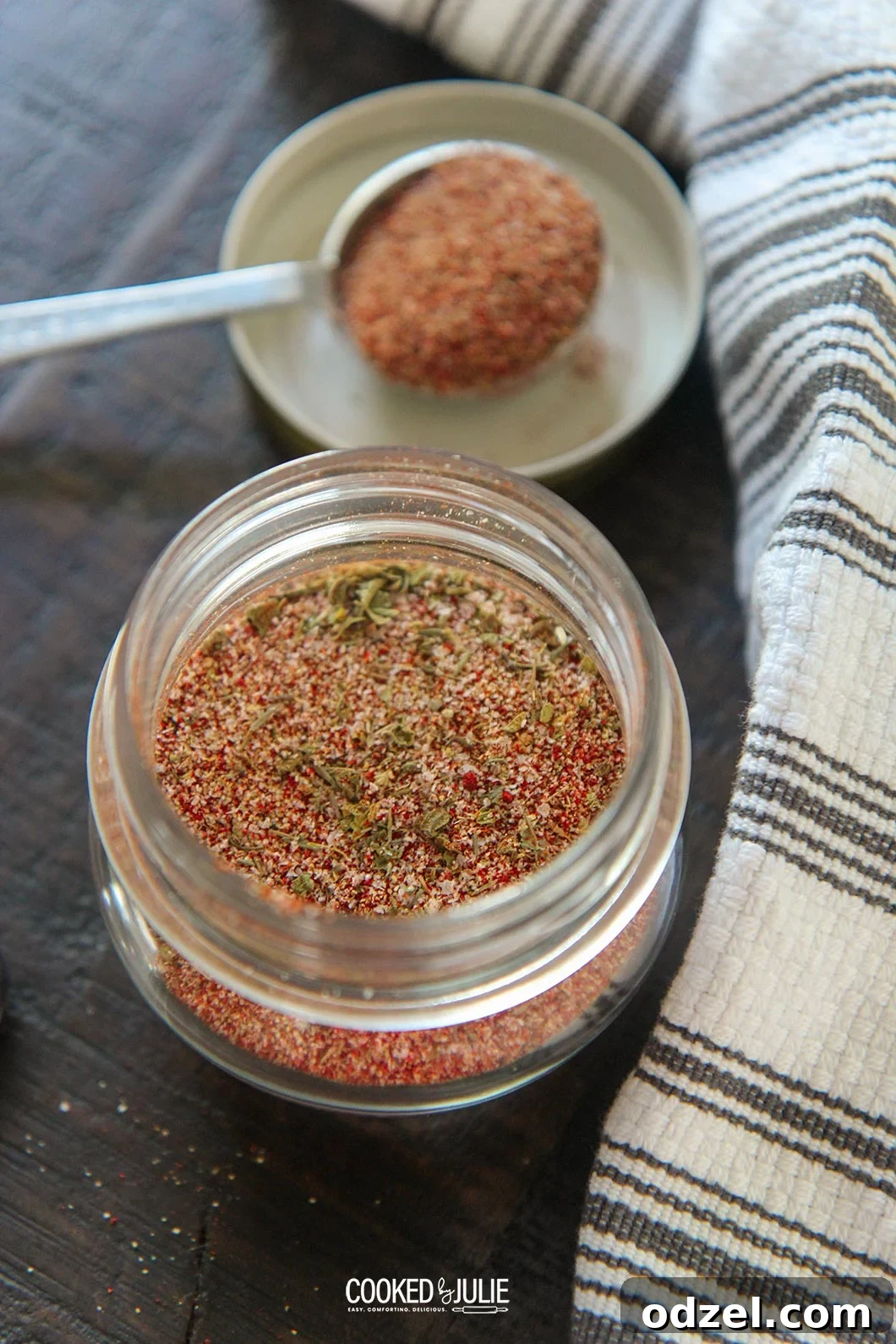
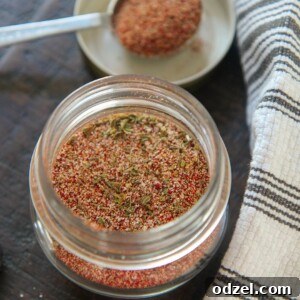
Unlock a world of vibrant flavor with this incredibly simple homemade Cajun seasoning recipe! Far superior to anything you’ll find on store shelves, our perfectly balanced blend offers a delightful kick without being overly spicy or salty. It’s the essential spice mix that will elevate virtually every dish in your culinary repertoire.
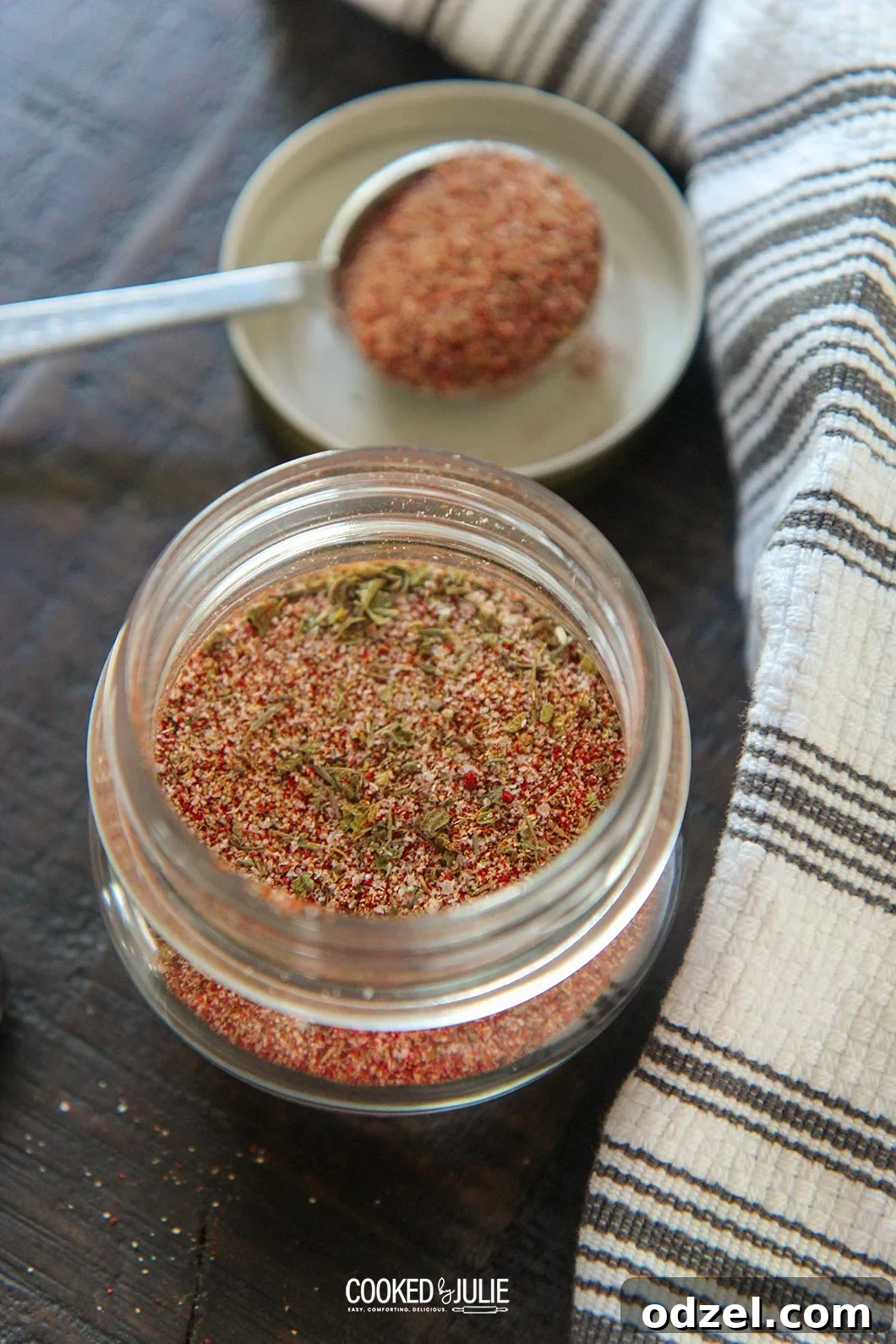
Homemade Cajun Seasoning: Craft Your Perfect Flavor Blend
Cajun cuisine is renowned for its rich, robust, and incredibly flavorful spice combinations, and this homemade Cajun seasoning mix perfectly encapsulates that spirit. A harmonious medley of paprika, garlic, aromatic herbs, and just the right amount of cayenne pepper, this blend is a true treat for the senses. It’s the secret ingredient behind many of my favorite dishes, from zesty Cajun Salmon and Shrimp to savory Cajun Beef Tacos.
Embracing homemade spice blends like this Cajun seasoning allows for unparalleled freshness and control over the ingredients. You can tailor the heat level, adjust the sodium content, and ensure there are no unwanted fillers or artificial additives. Plus, it’s often more economical than buying pre-mixed versions, especially if you already have a well-stocked pantry.
The Culinary Roots: Where Does Cajun Spice Come From?
Cajun cuisine is deeply rooted in the history and culture of the Acadian people, who were French settlers originally from Canada. After being expelled from Acadia (present-day Nova Scotia), many migrated to the bayous and prairies of southern Louisiana in the 18th century, bringing with them a rich culinary heritage. This unique blend of French, West African, Spanish, and Native American influences evolved into what we now celebrate as Cajun cooking.
Louisiana, particularly the Acadiana region, remains the heartland of Cajun culture. While authentic Cajun food is a complex and nuanced art, many dishes can be given a “Cajun style” twist simply by incorporating a flavorful seasoning blend, along with the “holy trinity” of bell peppers, onions, and celery (often garlic is added too). At its core, Cajun cuisine is about well-seasoned, hearty food packed with layers of flavor, reflecting the resourcefulness and vibrant spirit of its people.
This versatility means you can infuse a Cajun twist into almost any recipe, transforming classics into something exciting and new. For instance, recipes like Cajun Lasagna and Cajun Chicken Alfredo are wonderful examples of how readily these robust flavors adapt. My love for creating new dishes with Cajun flavors is precisely why I felt it was essential to share this easy homemade Cajun seasoning recipe. The best part? You likely already have most, if not all, of the necessary spices in your pantry!
Why Make Your Own Cajun Seasoning? The Benefits of Homemade
Opting for homemade Cajun seasoning offers several distinct advantages that elevate your cooking experience:
- Unmatched Freshness and Potency: Store-bought seasonings can sit on shelves for extended periods, losing their potency and vibrancy. Mixing your own ensures you’re using fresh spices at their peak, resulting in a more aromatic and flavorful blend.
- Control Over Ingredients: This is perhaps the biggest benefit. You dictate exactly what goes into your seasoning. This means no artificial anti-caking agents, preservatives, or hidden sugars often found in commercial blends.
- Customizable to Your Taste: Whether you prefer a fiery kick or a milder flavor, you can easily adjust the proportions of each spice to suit your personal preference. Love garlic? Add more! Watching your sodium intake? Reduce or omit the salt entirely.
- Cost-Effective: Buying individual spices and blending them yourself is often more economical in the long run than repeatedly purchasing pre-made mixes, especially if you cook with Cajun flavors frequently.
- Dietary Considerations: For those with allergies or specific dietary needs, making your own blend guarantees a gluten-free, sugar-free, or low-sodium option that meets your requirements.
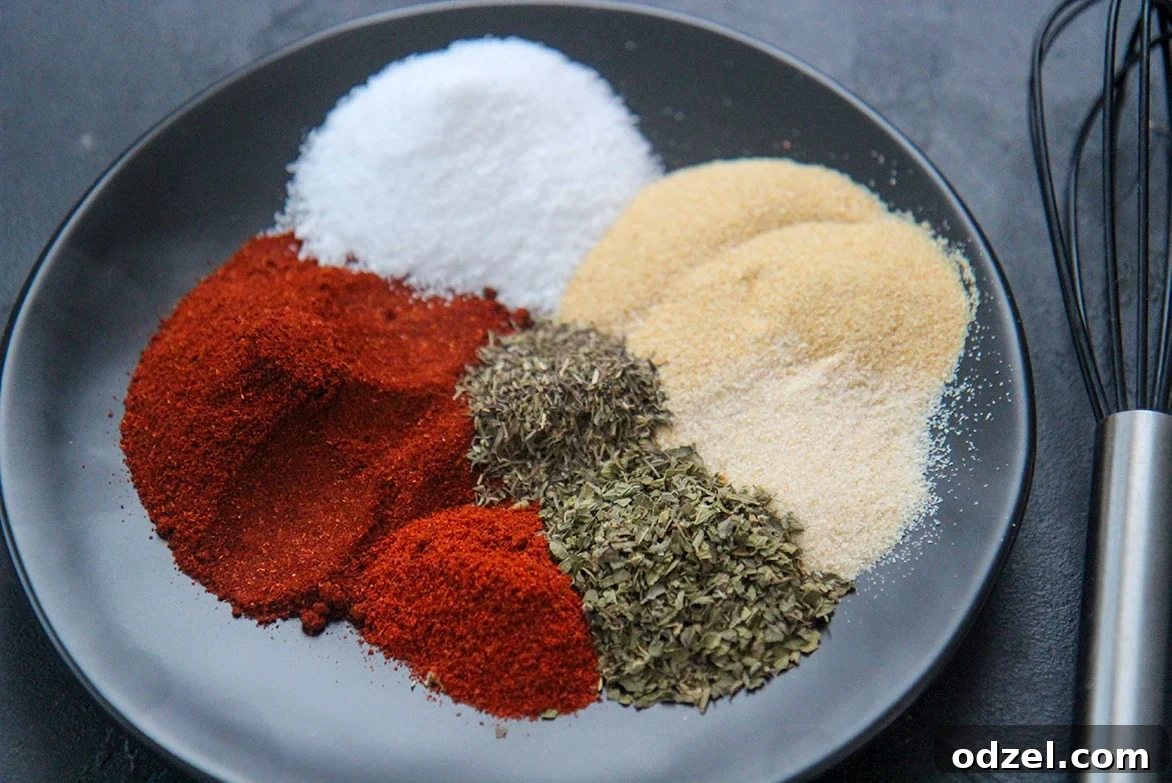
Essential Ingredients for Your Cajun Spice Blend
The magic of Cajun seasoning lies in the simple yet powerful combination of staple spices. Each plays a crucial role in creating the iconic flavor profile:
- Paprika: This vibrant spice forms the aromatic and visual base of Cajun seasoning. While regular paprika offers a sweet, earthy note and beautiful red color, you can experiment with smoked paprika for a deeper, more complex flavor, or hot paprika for an extra subtle warmth.
- Kosher Salt: A fundamental flavor enhancer, kosher salt provides the necessary salinity to bring out the best in the other spices. However, it’s also the most adjustable ingredient.
- Granulated Garlic: Offering intense aromatic depth, granulated garlic is a cornerstone of Cajun flavor. It provides a pungent and savory note that permeates the entire blend.
- Onion Powder: Complementing the garlic, onion powder adds a sweet and savory pungency that rounds out the aromatic foundation of the seasoning.
- Dried Oregano: This herb contributes an earthy, slightly bitter, and aromatic quality, typical of Mediterranean and Creole influences found in Louisiana cooking.
- Dried Thyme: With its subtle minty, lemon, and earthy notes, dried thyme adds another layer of herbaceous complexity that is characteristic of Cajun dishes.
- Cayenne Pepper: The source of Cajun seasoning’s characteristic heat! Cayenne pepper delivers a clean, sharp spice that awakens the palate. You can easily adjust the quantity to control the overall spiciness of your blend.
Feel free to experiment with optional additions like a touch of freshly ground black pepper for extra warmth, a pinch of white pepper for a different kind of subtle heat, or even a tablespoon of brown sugar for a hint of sweetness that balances the savory and spicy elements.
Crafting Your Signature Cajun Seasoning: Simple Steps
Making your own Cajun seasoning couldn’t be easier. With just a few minutes of effort, you’ll have a fresh, potent blend ready to transform your meals.
- Gather Your Spices: Measure out all the listed ingredients into a medium-sized mixing bowl. Ensure your measuring spoons are clean and dry to prevent clumping.
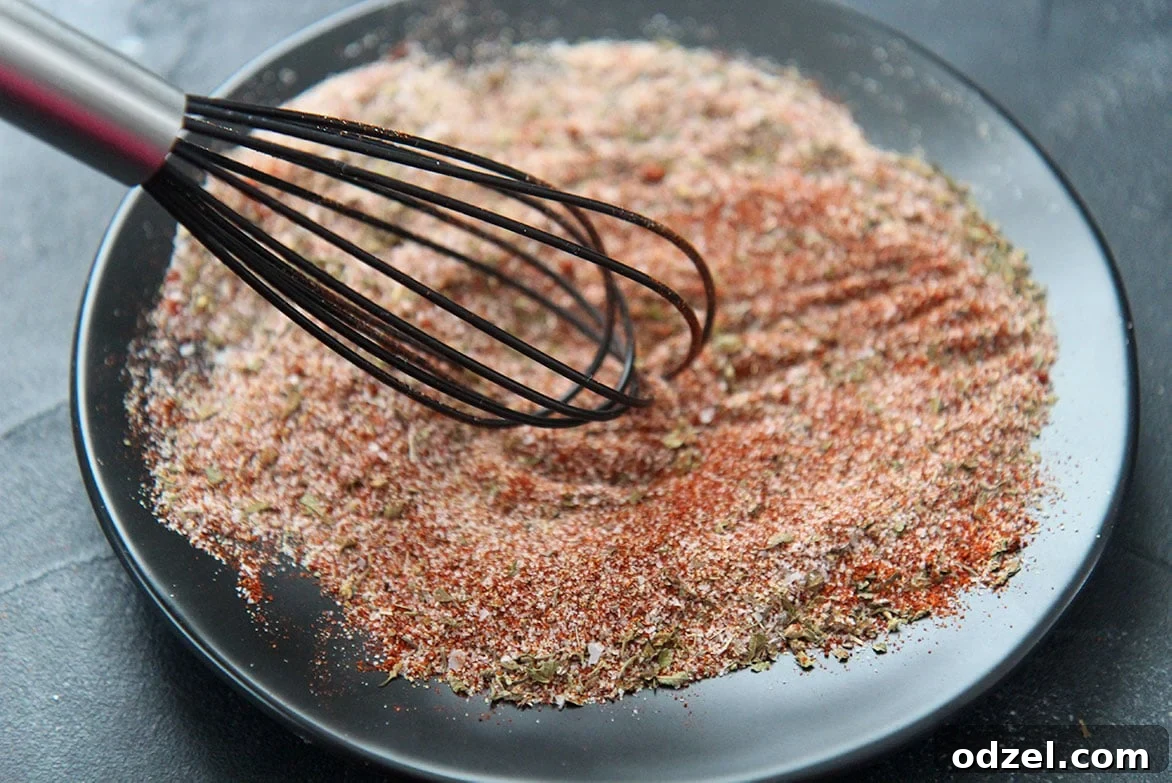
- Combine and Whisk: Using a whisk or a fork, thoroughly combine all the spices. Whisk vigorously for a minute or two to ensure every ingredient is evenly distributed. This step is crucial for achieving a consistent flavor profile in every pinch. Break up any small clumps of spices as you go.
- Store Properly: Once blended, carefully pour the mixture into an airtight spice jar or container. Label the jar with the name of the seasoning and the date it was prepared. This homemade Cajun seasoning will stay fresh and potent for up to 6 months when stored correctly.
Customizing Your Cajun Seasoning: Make It Your Own
One of the greatest advantages of making your own spice blends is the ability to customize them precisely to your palate. Don’t be afraid to adjust this recipe to create your signature Cajun seasoning!
- Adjusting the Heat Level: If you prefer a spicier blend, gradually increase the amount of cayenne pepper, adding a quarter teaspoon at a time until you reach your desired intensity. For a milder version, you can reduce the cayenne or even swap a portion of it for sweet paprika.
- Controlling Sodium Content: This recipe includes kosher salt, but you have full control. If you’re on a low-sodium diet or prefer to add salt separately when cooking, feel free to completely omit the kosher salt from the blend. Just remember to season with salt to taste when you use the blend in your recipes.
- Adding a Touch of Sweetness: For a seasoning that offers a hint of complexity and balances the heat, consider adding a tablespoon of light or dark brown sugar. This can be particularly delicious on grilled meats or roasted vegetables, adding a caramelized note.
- Experimenting with Other Spices: Don’t limit yourself! A pinch of celery salt can add an authentic depth, while a dash of smoked paprika enhances smokiness. Some variations include a touch of ground mustard or white pepper for an added layer of subtle heat.
Optimal Storage for Maximum Freshness and Flavor
Proper storage is essential for maintaining the potency and vibrant flavors of your homemade Cajun seasoning blend. Spices, even when dried, can lose their aromatic oils and flavor over time if not stored correctly.
- Airtight Containers are Key: Always store your seasoning in an airtight container. Glass spice jars with tightly sealed lids are ideal, as glass is non-porous and creates an excellent barrier against air and moisture. This prevents oxidation and keeps your spices fresh longer.
- Dark, Cool, and Dry Environment: Heat, direct sunlight, and moisture are the enemies of spices. Keep your seasoning in a cool, dark cupboard or pantry, away from the stove, oven, or any windows. Exposure to light and heat accelerates the degradation of flavor.
- Labeling for Longevity: Always label your spice jars with the name of the seasoning and the date you prepared it. While this homemade blend typically stays fresh for up to 6 months, an older blend might still be safe but less flavorful. Spices can make or break a recipe, and using expired or stale spices will diminish the quality of your cooking.
Unleashing the Flavor: Incredible Uses for Cajun Seasoning
If you’re a true enthusiast of bold, flavorful cuisine, then a small jar of homemade Cajun seasoning is an absolute must-have in your pantry. Its versatility is truly remarkable, capable of transforming everyday meals into culinary masterpieces. Here’s an extensive list of the tasty foods and dishes you can season with your homemade Cajun spices:
Proteins that Love Cajun Seasoning:
- Chicken: Whether roasted, grilled, pan-fried, or used in stews, Cajun seasoning adds an incredible depth to chicken breasts, thighs, wings, and whole chickens.
- Fish and Seafood: From flaky salmon fillets and succulent shrimp to robust catfish, oysters, and crawfish, this blend is a perfect match for almost any seafood.
- Beef: Sprinkle it on steaks before grilling or searing, mix it into ground beef for burgers or meatballs, or rub it onto roasts for a flavorful crust.
- Pork: Enhance pork chops, tenderloin, ribs, or even homemade sausage patties with a generous dusting of Cajun seasoning.
Vegetables and Sides Transformed:
- Roasted Vegetables: Toss potatoes, corn, bell peppers, onions, broccoli, cauliflower, or Brussels sprouts with olive oil and Cajun seasoning before roasting for a sensational side dish.
- Grilled Veggies: Elevate the flavor of grilled corn on the cob, asparagus, or zucchini with a sprinkle of this vibrant spice blend.
- Stir-Fries and Sautéed Dishes: Add a pinch to your favorite vegetable stir-fry or sautéed greens for an unexpected and delightful kick.
- Soups, Stews, and Gumbos: An essential component for authentic gumbos and jambalayas, it also adds incredible flavor to everyday lentil soups, chili, and hearty stews.
- Rice Dishes: Beyond jambalaya, use it to season plain rice, dirty rice, or any rice-based side dish for a flavorful upgrade.
Creative Culinary Adventures:
- Marinades and Rubs: Create dynamic marinades for meats and poultry, or use it as a dry rub for barbecue.
- Dressings and Dips: Whisk a small amount into vinaigrettes, yogurt dips, or mayonnaise for a spicy, herby twist.
- Breakfast Foods: Sprinkle on scrambled eggs, omelets, breakfast potatoes, or hash browns for a lively start to your day.
- Snacks: Toss popcorn, roasted nuts, or homemade potato chips with Cajun seasoning for an addictive snack.
- Cajun-Inspired Twists on Classics: As demonstrated by recipes like Cajun Lasagna, it can infuse new life into pasta sauces, taco fillings, and even a humble grilled cheese sandwich.
Frequently Asked Questions about Cajun Seasoning
Here are answers to some common questions about this versatile spice blend:
Is Salt Essential in Cajun Seasoning?
My recipe includes kosher salt to provide a balanced flavor profile, as salt is a crucial element in traditional Cajun cuisine. However, you absolutely have the freedom to customize. If you prefer a salt-free Cajun seasoning blend, simply omit the salt from the recipe. This allows you to control the sodium content more precisely in your dishes, which is especially beneficial for those monitoring their salt intake.
How Spicy is Homemade Cajun Seasoning?
The base recipe is designed to be well-balanced with a mild to moderate heat level, making it enjoyable for most palates. The primary source of heat comes from cayenne pepper. The beauty of making it yourself is that you can easily adjust the spiciness. For a spicier blend, simply increase the amount of cayenne pepper by half a tablespoon or more, tasting as you go. For a milder version, reduce the cayenne or use a less potent chili powder.
Beyond the Blend: Recipes Featuring Cajun Seasoning
Once you have your homemade Cajun seasoning ready, you’ll be eager to put it to use! Here are some fantastic recipes that either feature Cajun flavors or can be wonderfully enhanced by a dash of your new spice blend:
- Cajun Salmon and Shrimp
- Cajun Beef Tacos
- Cajun Lasagna
- Cajun Chicken Alfredo
- Roasted Parmesan Brussel Sprouts (add a Cajun twist for extra kick!)
- Spaghetti Squash with Garlic Chicken (transform it into a Cajun-style dish!)
- Grilled Shrimp Po’Boy
- Creamy Garlic Shrimp (elevate with a sprinkle of Cajun spices!)
- Pan Seared Salmon with Lemon Butter (perfect for a quick Cajun Salmon dinner!)
Homemade Cajun Seasoning Recipe Card
Cajun Seasoning Blend
Author: Julie Maestre
This easy homemade Cajun seasoning is made with natural ingredients and no fillers. Use this delicious mildy hot seasoning to season chicken, pasta, shrimp, and vegetables!
- Prep Time: 5 minutes
- Total Time: 5 minutes
- Servings: Approximately 24 (yields about 8.5 tablespoons)
- Course: Spice Blend
- Cuisine: American, Cajun
- Keywords: Cajun Seasoning, Cajun Seasoning Recipe, Homemade Cajun Seasoning
Ingredients:
- 3 tbsp Paprika
- 2 tbsp Kosher Salt
- 2 tbsp Granulated Garlic
- 1 tbsp Onion Powder
- 1 tbsp Dried Oregano
- 1/2 tbsp Dried Thyme
- 1/2 tbsp Cayenne Pepper
Instructions:
- Combine all of the ingredients (paprika, kosher salt, granulated garlic, onion powder, oregano, thyme, and cayenne pepper) in a medium-sized bowl.
- Whisk together thoroughly for at least 1-2 minutes to ensure all spices are evenly distributed and to break up any clumps.
- Carefully transfer the blended mixture into an airtight spice jar or container. Store in a cool, dark cupboard away from heat and light until ready to use.
Nutrition Information (Per Serving Approximation, based on 24 servings):
- Calories: 7 kcal
- Carbohydrates: 1g
- Protein: 1g
- Fat: 1g
- Saturated Fat: 1g
- Sodium: 583mg
- Potassium: 35mg
- Fiber: 1g
- Sugar: 1g
- Vitamin A: 475 IU
- Vitamin C: 1mg
- Calcium: 7mg
- Iron: 1mg
Nutrition information is automatically calculated, so should only be used as an approximation.
We hope you enjoy crafting your own homemade Cajun seasoning and infusing your meals with its irresistible flavor. We’d love to hear how you use this versatile spice blend!
Share your favorite ways to use this fantastic Cajun seasoning in the comments below!