
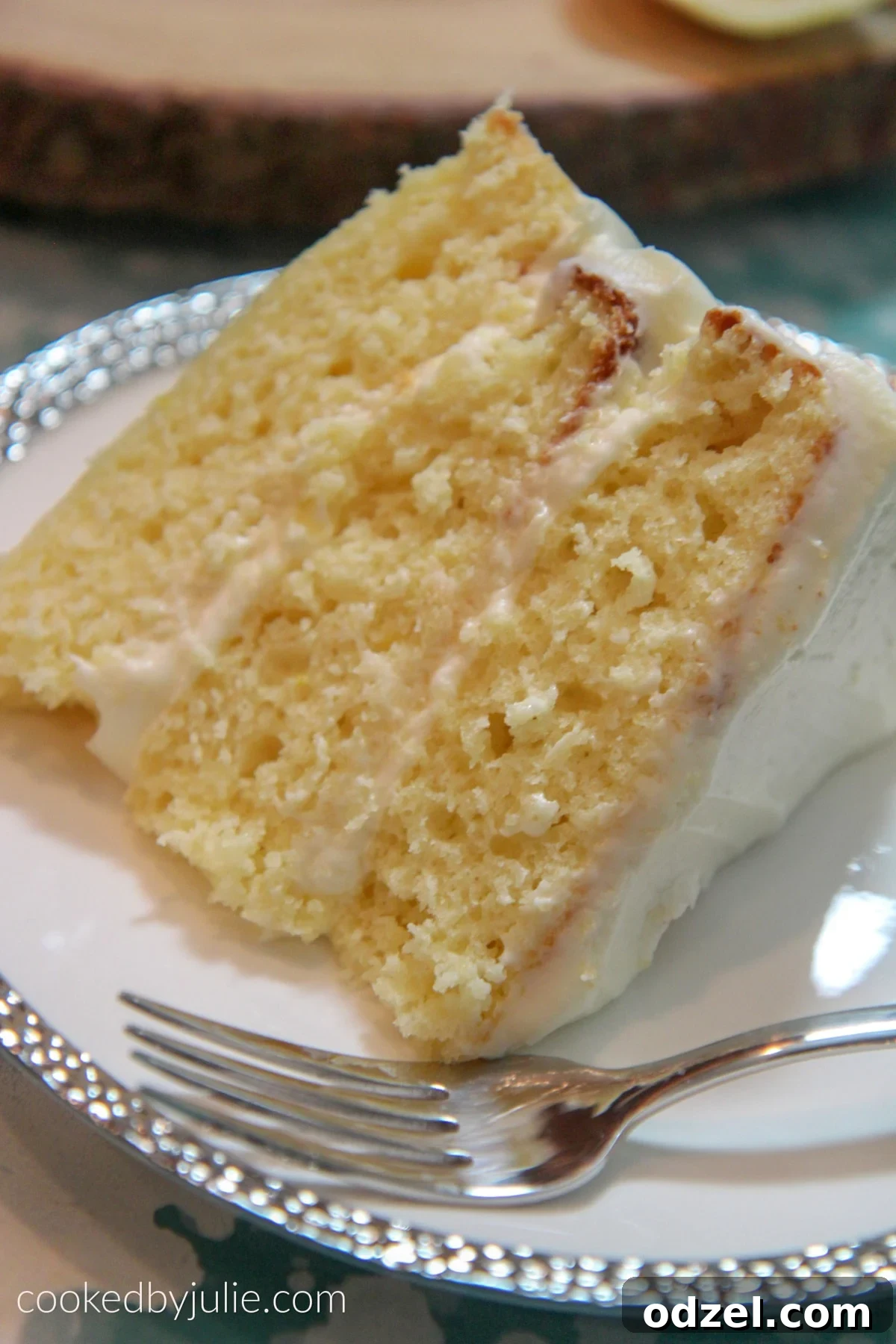
Indulge in the Ultimate Moist Lemon Cake with Cream Cheese Buttercream
Prepare to fall in love with this rich, decadent, and beautifully balanced three-layer lemon cake, generously frosted with a luxurious homemade cream cheese buttercream. It’s a bright, zesty delight that promises to brighten any day, any time of year.
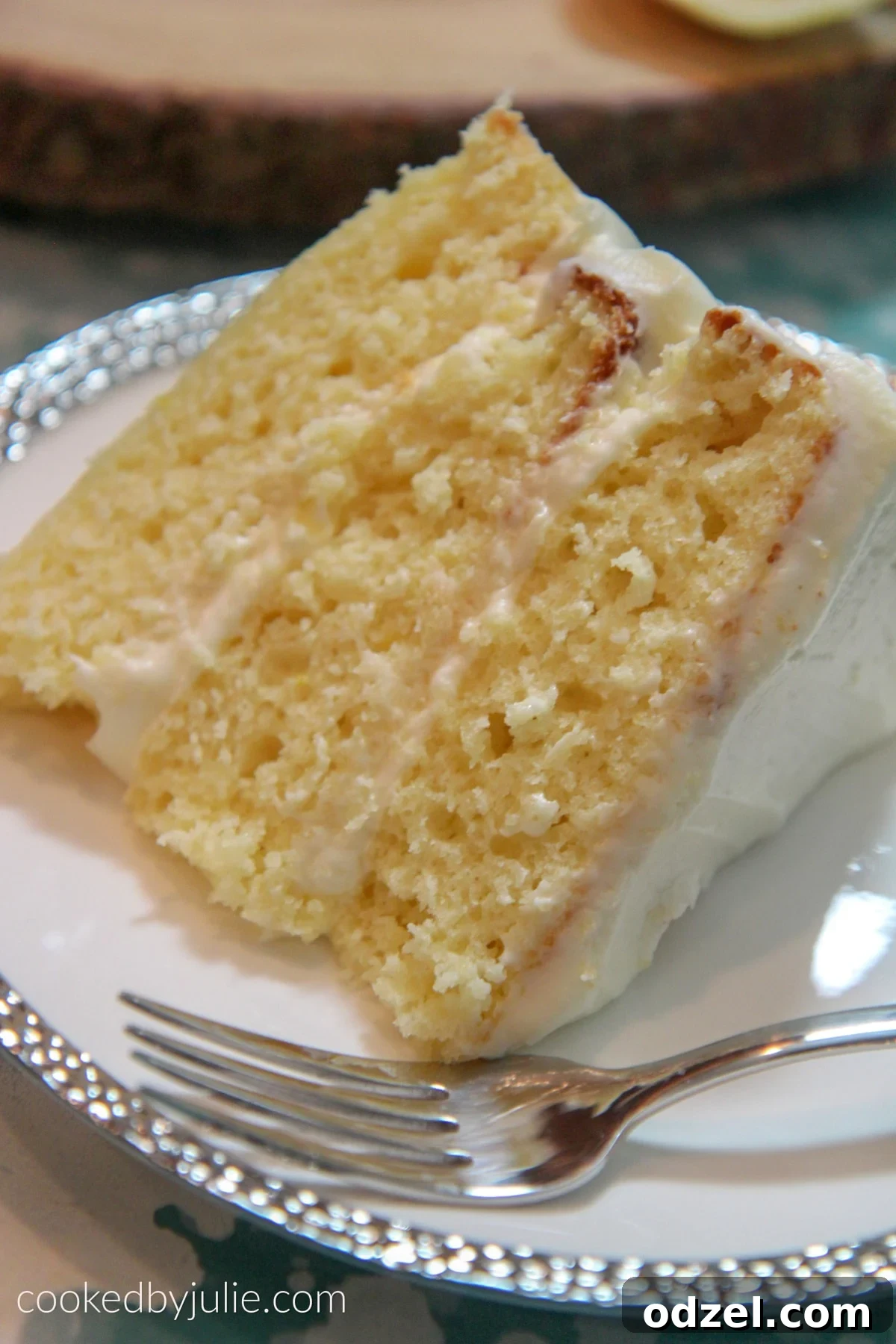
My Love Affair with Lemon Cake: A San Francisco Memory
Some culinary experiences are truly unforgettable, etching themselves into your memory long after the last bite. For me, one such moment happened last year during a birthday trip to the enchanting city of San Francisco. Imagine this: a leisurely picnic at the iconic Alamo Square, savoring delicious local pizza, and then, a slice of the most exquisite lemon cake from a renowned bakery. Enjoying that perfect slice while gazing at the colorful Victorian “Painted Ladies” and watching the sunset paint the sky was pure bliss. It was a simple pleasure, yet profoundly memorable, solidifying my adoration for all things lemon cake and becoming a cherished birthday tradition.
That trip ignited a mission: to recreate that magical experience in my own kitchen. I vowed to bake a lemon cake that was not just good, but exceptional – moist, rich, intensely flavorful, and undeniably lemony, without being overpowering. After countless experiments and adjustments, this recipe was perfected. It captures the essence of that perfect San Francisco afternoon, bringing that incredible taste right into your home, ready to create new cherished memories.
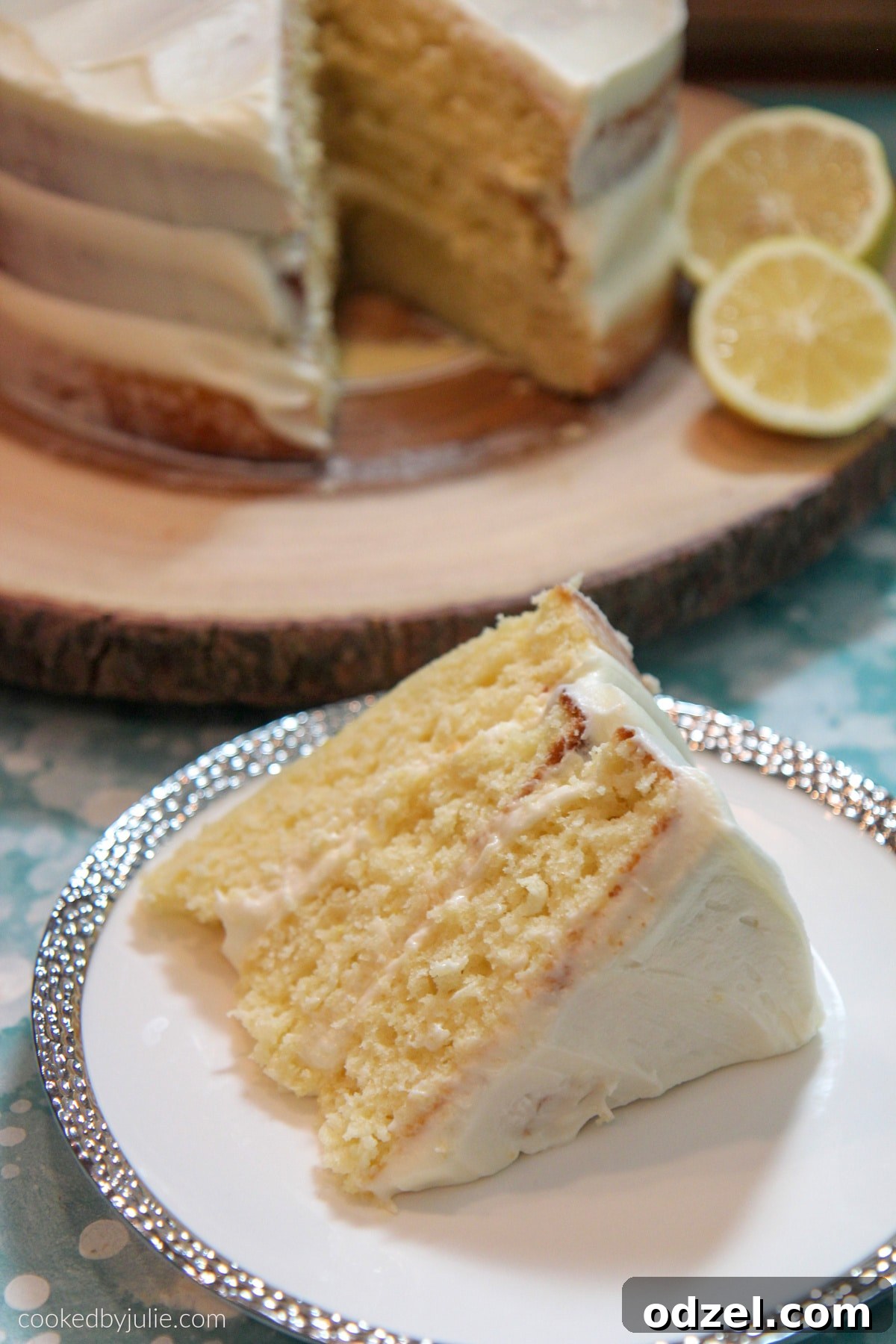
Crafting the Perfect Balance: Lemony Flavor and Heavenly Texture
Throughout my baking journey, I’ve sampled many lemon cakes. While some feature a vibrant lemon curd filling, I’ve discovered a personal preference for a simpler, yet equally impactful, lemon flavor integrated directly into the cake batter itself. This approach allows the natural tang and bright aroma of the lemon to shine through unadulterated, creating a harmonious flavor profile that is both refreshing and deeply satisfying. My goal was a cake that delivers a bright lemon punch but remains wonderfully balanced with sweetness, avoiding any harsh or artificial notes often associated with lemon extracts.
The secret to its incredible moistness and fluffy texture lies in a careful combination of ingredients and precise baking techniques. This recipe strikes an ideal balance: it’s assertively lemony, yet incredibly smooth and not overly tart. The sweetness is perfectly calibrated, making each forkful a harmonious blend of flavors that will leave you craving more. The buttermilk plays a crucial role in achieving this tender crumb, while fresh lemon zest infuses every bite with a natural, vibrant citrus burst. I personally find it absolutely divine served with a tall, cold glass of milk – a classic pairing that enhances its comforting qualities and makes for a perfect afternoon treat.
Forget the notion that lemon cakes are exclusively for spring or summer. This versatile dessert is a year-round favorite in my household, and I’m confident it will become one in yours too. Its bright, uplifting flavor is a welcome treat during any season, whether you’re celebrating a special occasion, hosting a gathering, or simply craving a taste of sunshine on a gloomy day.
Essential Questions for Lemon Cake Success: Your Baking FAQ
Can I substitute buttermilk with regular milk for this recipe?
While it might seem like a simple swap, I strongly advise against replacing buttermilk with regular milk in this particular recipe. Buttermilk is a powerhouse ingredient that contributes significantly to the cake’s signature richness, exceptional moisture, and tender crumb. Its inherent acidity reacts beautifully with the baking powder, promoting a lighter, airier texture. If you don’t have store-bought buttermilk on hand, you can create a quick homemade substitute: simply add one tablespoon of fresh lemon juice or white vinegar to a liquid measuring cup, then fill it to the 1-cup mark with regular milk. Let it sit for 5-10 minutes until it visibly curdles slightly before incorporating it into your batter. This will help mimic buttermilk’s acidic properties, though store-bought is always preferred for consistency.
How should I store this lemon cake, and does it require refrigeration?
For optimal flavor and the most delightful texture, this lemon cake is best enjoyed at room temperature. When chilled, cream cheese buttercream tends to firm up considerably, which can alter its delightful creaminess and sometimes make the cake feel denser. To store, simply place the cooled and frosted cake in an airtight container to prevent it from drying out. You can then keep it on your countertop at room temperature for up to 2-3 days, ensuring every slice is as moist and flavorful as the first.
Can I adapt this recipe to make cupcakes instead of a whole cake?
Although I haven’t personally tested this specific recipe as cupcakes, I believe it would adapt beautifully! The moist and fluffy batter is certainly well-suited for individual portions. If you decide to make cupcakes, I recommend filling cupcake liners about two-thirds full to prevent overflow. You will also need to significantly reduce the baking time; typically, cupcakes bake for a shorter duration, likely around 18-22 minutes. Always check for doneness by inserting a toothpick into the center of a cupcake – it should come out clean or with a few moist crumbs. If you give it a try, I’d absolutely love to hear how they turn out!
Is lemon extract a suitable alternative to fresh lemon juice and zest?
For the brightest, most authentic, and truly superior lemon flavor, there is no substitute for fresh lemons. The zest contains potent essential oils that provide a vibrant aroma and intense citrus notes that are complex and nuanced. Fresh lemon juice offers a natural tang and acidity that lemon extract simply cannot replicate, often resulting in an artificial taste. Using fresh lemons elevates this cake from merely good to truly extraordinary, ensuring every bite bursts with natural, zesty goodness.
Pro Tips for Baking the Perfect Lemon Cake Every Time
Achieving bakery-quality results at home is easier than you think with a few key pointers:
- Opt for Three Layers: While a two-layer cake is perfectly fine, baking three thinner layers offers several advantages. It ensures a more impressive presentation and a better cake-to-frosting ratio in every slice, maximizing the delightful combination of cake and buttercream. It also allows the cake layers to bake more evenly and often quicker.
- Do Not Overbake: This is the golden rule for a moist cake! Lemon cakes can sometimes look slightly underbaked when they are actually perfectly done. To test for doneness, gently press the top of the cake – if it springs back, it’s ready. A toothpick inserted into the center should come out with moist crumbs, not wet batter. Overbaking is the quickest way to end up with a dry, crumbly cake.
- Generously Frost: Don’t be shy with the homemade cream cheese buttercream! A thick, luscious layer between each cake layer, on top, and around the sides is absolutely essential for the ultimate taste and texture experience. The rich, tangy buttercream perfectly complements the zesty cake, creating a balanced and indulgent dessert.
- Ensure Room Temperature Ingredients: This tip applies to your butter, cream cheese, and eggs. Bringing these ingredients to room temperature before you begin baking allows them to cream together properly, creating a smooth, emulsified batter and a wonderfully fluffy buttercream. Cold ingredients can lead to a lumpy batter and a dense, less tender cake.
- Prepare Your Pans Diligently: To prevent your beautiful cake layers from sticking, grease and flour your cake pans thoroughly. Alternatively, you can line the bottoms with parchment paper circles for extra assurance. This step guarantees your cakes will release cleanly and easily after baking.
- Measure Accurately: Baking is a science, and precision matters. Use proper measuring cups and spoons for all ingredients. For flour, spoon it gently into your measuring cup and then level it off with a straight edge rather than scooping directly from the bag, which can compact the flour and lead to too much being added.
- Allow Cakes to Cool Completely: Patience is key! Ensure your cake layers are entirely cool before you begin frosting. Attempting to frost warm cakes will cause the buttercream to melt and slide off, creating a messy and frustrating experience. A cooled cake also absorbs the frosting’s flavors better.
Discover More Zesty Lemon Recipes
If you’re a devoted fan of bright, citrusy flavors, you’ll undoubtedly love these other lemon-infused recipes that bring sunshine to your table:
- Fluffy Buttermilk Lemon Ricotta Pancakes
- Orange Lemon Poppy Seed Muffins
- Lemon Blueberry Pancakes

★
★
★
★︎
Lemon Cake with Cream Cheese Buttercream
Julie Maestre
20 mins
25-30 mins
45-50 mins
10-12 servings
Leave a Review
Print Recipe
Ingredients
For the Lemon Cake:
- 3 cups all-purpose flour
- 1 tbsp baking powder
- Pinch of salt (approx. 1/4 tsp)
- 3/4 cup vegetable oil (or other neutral-flavored oil like canola or grapeseed)
- 1 cup buttermilk (ensure it’s at room temperature for best results)
- Juice and zest of 2 large lemons (about 1/4 cup juice and 1 tablespoon zest)
- 1 and 3/4 cups granulated sugar
- 1 tsp pure vanilla extract
- 4 large eggs (also at room temperature)
For the Cream Cheese Buttercream:
- 8 ounces (226g) cream cheese, softened
- 4 ounces (1 stick or 113g) unsalted butter, softened
- 3 cups powdered sugar (confectioners’ sugar), sifted
- 1 tsp pure vanilla extract
- 1 tsp whole milk (or heavy cream, for desired consistency)
- 1/2 tsp lemon zest (optional, use if you prefer a less sweet, slightly tangier buttercream)
Instructions
- Prepare Oven and Pans: Begin by preheating your oven to 350°F (175°C). Prepare three 8-inch round cake pans by generously greasing and flouring them, or by lining the bottoms with parchment paper circles to ensure easy release.
- Combine Dry Ingredients: In a large mixing bowl, meticulously sift together the all-purpose flour, baking powder, and a pinch of salt. Whisk these dry ingredients well to ensure they are thoroughly combined and evenly distributed. Set this mixture aside for later.
- Mix Wet Ingredients: In a separate, medium-sized bowl, combine the vegetable oil, large eggs, vanilla extract, room temperature buttermilk, fresh lemon juice, lemon zest, and granulated sugar. Whisk all these wet ingredients together until they are well combined and the mixture appears smooth.
- Combine Wet and Dry: Gradually pour the wet ingredient mixture into the bowl containing the dry ingredients. Mix on low speed with an electric mixer, or gently by hand, until the ingredients are just incorporated. Be careful not to overmix; overmixing can develop the gluten too much, leading to a tough cake. A few small lumps are perfectly acceptable.
- Divide and Bake: Evenly distribute the prepared cake batter among your three greased and floured 8-inch cake pans. Place the pans into the preheated oven and bake for approximately 20-25 minutes. The exact baking time may vary depending on your oven; the cakes are done when a toothpick inserted into the center comes out with moist crumbs, not wet batter.
- Cool Completely: Once baked, remove the cakes from the oven. Allow them to cool in their pans on a wire rack for about 10-15 minutes. After this initial cooling, invert the cakes onto the wire rack to cool completely. It is absolutely crucial that the cake layers are entirely cool to the touch before you proceed with frosting, to prevent the buttercream from melting.
- Prepare Cream Cheese Buttercream: While the cake layers are cooling, prepare your decadent cream cheese buttercream. In a large mixing bowl, using an electric mixer (either a stand mixer with the paddle attachment or a hand mixer), beat the softened cream cheese and unsalted butter on high speed for 2-3 minutes. Continue beating until the mixture is light, fluffy, and perfectly smooth.
- Add Sweeteners and Flavor: Gradually add the sifted powdered sugar, the optional pinch of lemon zest (if you prefer to cut the sweetness with a touch more tang), vanilla extract, and whole milk to the cream cheese mixture. Continue mixing on high speed for an additional 2-3 minutes, or until the buttercream is wonderfully light, fluffy, and reaches a smooth, spreadable consistency. Add a tiny bit more milk if it’s too stiff.
- Assemble and Frost: Once your cake layers are completely cool, place one layer on your preferred serving plate or cake stand. Spread a generous amount of the homemade cream cheese buttercream evenly over the top of this layer. Carefully place the second cake layer on top, spread another generous portion of buttercream, and then gently add the final cake layer. Use the remaining buttercream to frost the top and sides of the entire cake, creating smooth sides or decorative swirls to your liking.
- Serve and Enjoy: Your magnificent lemon cake is now ready! Slice into it and enjoy immediately. Any leftover cake should be stored in an airtight container at room temperature, where it will remain fresh and delicious for up to 3 days.
Recipe Video Tutorial
Nutrition Information
(Approximate values per serving, based on 10 servings)
- Calories: 620 kcal
- Carbohydrates: 67g
- Protein: 8g
- Fat: 36g
- Saturated Fat: 24g
- Cholesterol: 117mg
- Sodium: 127mg
- Potassium: 249mg
- Fiber: 1g
- Sugar: 37g
- Vitamin A: 725 IU
- Vitamin C: 0.3mg
- Calcium: 120mg
- Iron: 2.3mg
Nutrition information is automatically calculated and should only be used as an approximation. Actual values may vary based on specific ingredients, portion sizes, and preparation methods.
Additional Recipe Details
Author: Julie Maestre
Prep Time: 20 minutes
Cook Time: 25-30 minutes
Total Time: 45-50 minutes (plus cooling time)
Course: Dessert
Cuisine: American
Servings: 10-12 servings
Calories per serving: 620 kcal
Keywords: Lemon Cake, Lemon Cake with Cream Cheese Frosting, Moist Lemon Cake, Homemade Cake, Easy Dessert, Citrus Cake, 3-Layer Cake
Enjoyed this recipe? Please consider leaving a comment and rating below! Your feedback helps other bakers discover this delicious lemon cake.