

Authentic Maryland Crab Cake Sandwiches with Homemade Remoulade
There’s nothing quite like a truly authentic Maryland crab cake, especially when it’s perfectly nestled in a toasted bun and crowned with a luscious, homemade remoulade sauce. This recipe for Maryland crab cake sandwiches is a celebration of the sea’s bounty, focusing on the star ingredient: sweet, succulent lump crab meat. Forget about excess fillers – our method ensures every bite is bursting with pure crab flavor, lightly seasoned with the iconic Old Bay spice blend. Served on a warm, seeded brioche bun with crisp lettuce and juicy tomato slices, this isn’t just a sandwich; it’s the ultimate summer culinary experience.
Elevate your meal by pairing these delightful crab cake sandwiches with classic sides. A tall glass of refreshing homemade lemonade cuts through the richness beautifully, while a generous serving of crispy potato chips or golden French fries adds a satisfying crunch. For a complete feast, consider a fresh garden salad or a vibrant coleslaw.

Table of Contents
- The Essence of Maryland Crab Cakes
- Why You’ll Adore These Crab Cake Sandwiches
- Essential Ingredients for the Perfect Crab Cake
- Top Tips for Mastering Your Crab Cakes
- Frequently Asked Questions About Crab Cakes
- Storage and Reheating Best Practices
- Maryland Crab Cake Sandwiches Recipe
The Essence of Maryland Crab Cakes
What truly defines a traditional Maryland crab cake? It’s all about the crab, and very little else. The philosophy is simple: let the sweet, delicate flavor of premium blue crab meat shine through. This means using high-quality lump or jumbo lump crab and incorporating minimal filler – just enough to bind the ingredients together without detracting from the crab itself. While some recipes might use a small amount of breadcrumbs or crushed crackers, the key is discretion. But one ingredient that is absolutely non-negotiable is Old Bay Seasoning. This iconic blend, deeply rooted in Chesapeake Bay culinary traditions, provides that characteristic savory, slightly spicy, and aromatic kick that distinguishes a true Maryland crab cake. Its unique flavor profile is what gives these crab cakes their soul, making them instantly recognizable and undeniably delicious. When crafting these culinary gems, embracing these core principles is essential for an authentic experience.
Why You’ll Adore These Crab Cake Sandwiches
- Perfect Texture Harmony: Each crab cake is lightly crisp and golden on the outside, giving way to an incredibly juicy, tender, and delicate interior. The contrast in textures is simply irresistible.
- Irresistible Remoulade: Our creamy, zesty homemade remoulade sauce isn’t just a condiment; it’s a vital component that ties all the flavors together, adding a vibrant and tangy finish to every bite.
- Pure Crab Delight: We prioritize sweet, tender lump crab meat, ensuring that you get substantial, flavorful pieces of crab in every mouthful. This isn’t a filler-heavy patty; it’s a true crab experience.
- Effortlessly Delicious: Despite their gourmet appeal, these crab cake sandwiches are surprisingly easy to prepare, making them accessible for home cooks of all skill levels.
- Gourmet Quality at a Fraction of the Cost: Enjoy restaurant-quality crab cakes from the comfort of your kitchen, saving money without compromising on taste or experience. They make an impressive dish for entertaining or a luxurious treat for a casual weeknight.
- A Taste of Summer: Whether served by the beach or in your backyard, these sandwiches embody the essence of summer dining – fresh, flavorful, and incredibly satisfying.
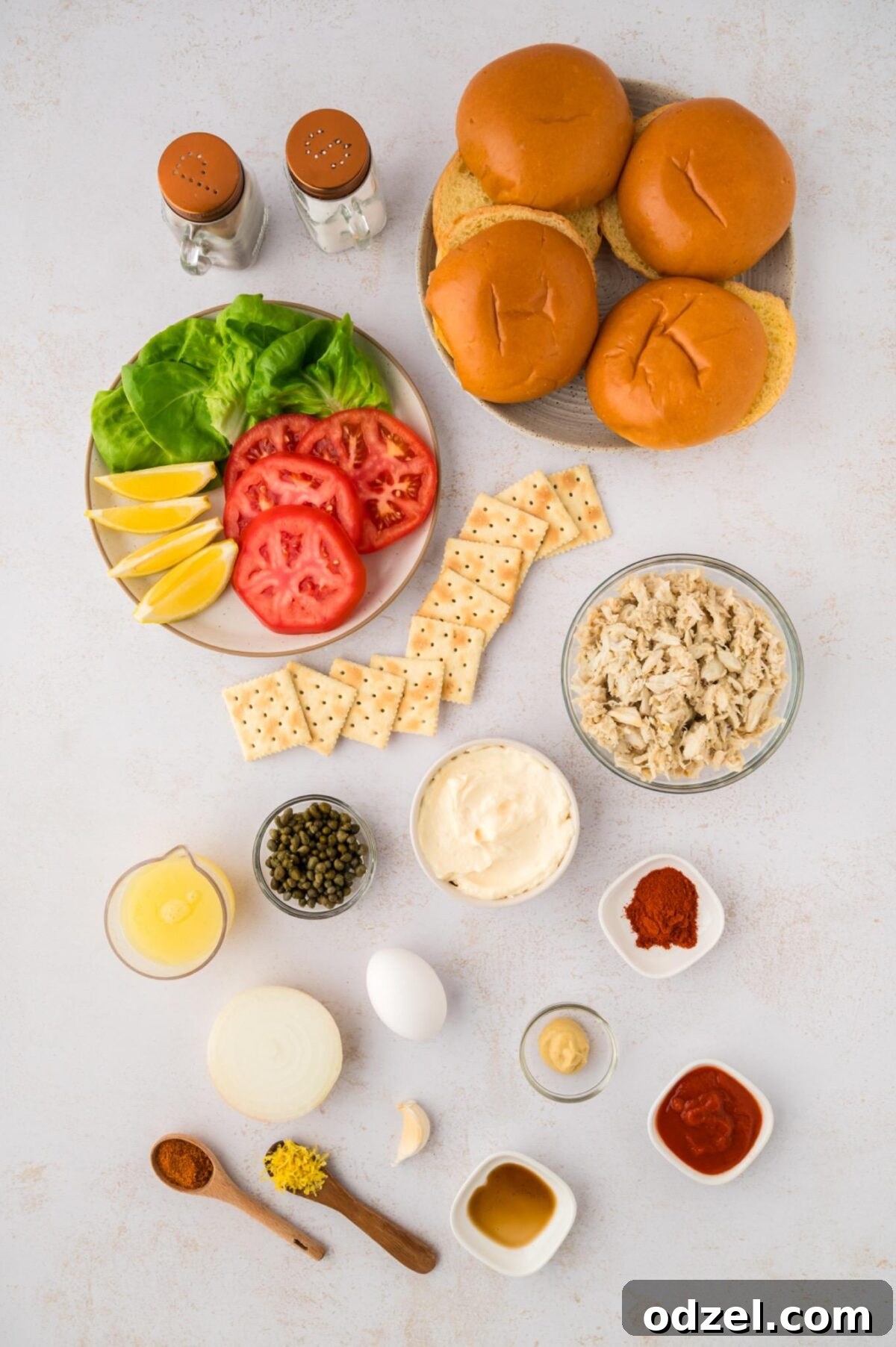
Essential Ingredients for the Perfect Crab Cake
Crafting the perfect crab cake starts with selecting the right ingredients. Here’s a closer look at what makes our Maryland crab cakes truly stand out:
- Crab: The cornerstone of any great crab cake. For the most authentic flavor and delicate texture, always opt for real lump crab meat. While jumbo lump offers impressive visual appeal with large, pristine chunks, lump crab meat provides an excellent balance of size and flavor for crab cakes. Avoid imitation crab meat entirely, as it lacks the authentic taste and flaky texture of real crab. If fresh isn’t an option, high-quality pasteurized canned or frozen lump crab meat, thoroughly drained, can be a good substitute.
- Old Bay Seasoning: This isn’t just a seasoning; it’s a tradition. Old Bay is a classic Chesapeake Bay blend featuring celery salt, paprika, black pepper, and a secret mix of other spices. Its distinctive savory, slightly spicy, and aromatic profile is indispensable. Omitting Old Bay would mean losing the signature Maryland flavor that makes these crab cakes so special.
- Mayo: Mayonnaise serves a dual purpose in our crab cakes: it binds the ingredients together and adds a crucial creamy richness and tang. While any full-fat mayonnaise will work, many connoisseurs prefer brands like Hellmann’s (Best Foods in some regions) for its consistent quality and robust flavor. The mayo contributes to the moistness and overall luxurious mouthfeel.
- Cracker Crumbs: Unlike many crab cake recipes that rely heavily on breadcrumbs, traditional Maryland crab cakes use minimal filler. A small amount of crushed saltine or Ritz crackers helps bind the mixture without overpowering the delicate crab flavor. The goal is to use just enough to prevent the cakes from falling apart, allowing the crab to remain the star.
- Dijon Mustard: A touch of Dijon mustard adds a subtle, sharp tang that complements the sweetness of the crab and the warmth of the Old Bay, enhancing the overall flavor complexity.
- Lemon Juice and Zest: Fresh lemon juice brightens the crab cakes, cutting through their richness and adding a refreshing acidic note. Lemon zest further amplifies this citrusy aroma.
- Worcestershire Sauce: Just a dash of Worcestershire sauce provides an umami depth that rounds out the flavors, adding a layer of savory complexity without being overtly noticeable.
- Egg: The egg acts as a primary binder, helping to hold the crab cake mixture together and ensuring it maintains its shape during cooking.
Top Tips for Mastering Your Crab Cakes
Achieving crab cake perfection is within reach with these expert tips:
- Gentle Mixing is Key: When combining your ingredients, avoid overmixing. The goal is to gently fold everything together until just combined. This preserves the integrity of the lump crab meat, ensuring those desirable big chunks remain intact rather than breaking apart into a mushy consistency. Overmixing can also activate gluten in any breadcrumbs, leading to a tougher texture.
- Chill for Firmness: This step is crucial! Refrigerating the crab cake mixture for at least 20-30 minutes (or even an hour, as in our recipe) allows the ingredients to meld and, more importantly, helps the cakes firm up. This prevents them from falling apart when they hit the hot pan and results in a more cohesive, easier-to-handle patty.
- Achieve Golden Perfection: Pan-searing in a little butter or oil is the ideal cooking method. This creates a beautiful, golden-brown crust that adds a delightful textural contrast to the tender, juicy interior. Don’t rush this step; allow sufficient time for that crust to develop. Medium-high heat is generally best – hot enough to crisp, but not so hot that it burns before the inside is warmed through.
- Handle with Care: Crab cakes are inherently delicate. When flipping them, use a wide, thin spatula and do so carefully and confidently. Ideally, flip them only once to minimize handling and maintain their shape.
- Form Even Patties: To ensure even cooking, try to form your crab cakes into uniform sizes and thicknesses, roughly the diameter of your brioche buns. A measuring cup can help scoop consistent portions.
- Don’t Crowd the Pan: Cook crab cakes in batches if necessary. Crowding the skillet lowers the oil temperature, leading to steamed rather than seared crab cakes, and can prevent that beautiful golden crust from forming.
- Freshness Matters: Always use the freshest possible lump crab meat you can find. The quality of your crab will directly impact the final taste of your sandwiches.
Frequently Asked Questions About Crab Cakes
Can I use canned crab meat?
Yes, while fresh lump crab meat is always preferred for its superior flavor and texture, good quality canned lump crab meat can be a viable alternative, especially when fresh options are scarce or budget is a concern. The most important step is to drain it extremely well to remove excess liquid, which can make your crab cakes soggy. Gently pick through the drained crab meat to check for and remove any small pieces of shell or cartilage that might be present, ensuring a pleasant eating experience.
How do I keep crab cakes from falling apart?
Several factors contribute to cohesive crab cakes. Firstly, chilling them in the refrigerator for at least 20-30 minutes before cooking is crucial; this allows the binders (egg and mayonnaise) to set and the mixture to firm up, making them much more stable. Secondly, don’t overmix the crab meat, as this breaks down the delicate fibers. Finally, ensure your cooking oil is at the right temperature (medium-high heat) and avoid overcrowding the pan, which can drop the temperature and cause the cakes to steam rather than sear and hold their shape.
Can crab cakes be made ahead of time?
Absolutely! Crab cakes are excellent for make-ahead preparation. You can form the crab cakes and arrange them on a baking sheet, then cover them tightly with plastic wrap and refrigerate for up to 24 hours before cooking. This not only saves time on the day of serving but also enhances their stability, making them less likely to break apart during cooking.
Can I bake crab cakes instead of frying them?
Yes, baking is a healthier alternative to frying, and the crab cakes will still be delicious. Preheat your oven to 400°F (200°C). Place the formed crab cakes on a lightly oiled baking sheet and bake for about 12-15 minutes, or until they are golden brown and heated through. While baked crab cakes may not develop quite the same crispy exterior as pan-fried ones, they will still retain their tender interior and rich flavor.
I don’t like remoulade sauce, what other sauce can I use?
No problem! While remoulade is a classic pairing, many other sauces complement crab cakes beautifully. Popular alternatives include a zesty tartar sauce, a creamy garlic aioli, or a spicy cocktail sauce for those who enjoy a kick. Even a simple dollop of plain mayonnaise with a squeeze of fresh lemon juice is wonderfully refreshing. For a minimalist approach, a wedge of fresh lemon is all you need; its bright acidity perfectly highlights the natural sweetness of the crab.
What kind of buns work best?
We highly recommend using soft, slightly sweet brioche buns. Their rich, buttery flavor and tender texture perfectly complement the delicate crab cakes. Seeded brioche adds an extra layer of flavor and visual appeal. If brioche isn’t available, a good quality potato roll or even a classic kaiser roll can work, as long as it’s soft enough not to overpower the crab cake.

Storage and Reheating Best Practices
Proper storage and reheating ensure your delicious Maryland crab cakes remain as enjoyable as the first bite:
Storage: Store any leftover cooked crab cakes in an airtight container in the refrigerator for up to 2-3 days. It’s crucial to let them cool completely before storing to prevent condensation, which can make them soggy and affect their texture.
Reheating: For the best results, reheat crab cakes gently. Place them in a skillet over medium heat with a small amount of oil or butter, cooking for a few minutes on each side until warmed through and the crust has re-crisped. Alternatively, you can reheat them in a preheated 350°F (175°C) oven for about 8-10 minutes, or until hot in the center. Avoid microwaving, as this tends to make them rubbery.
Freezing: Uncooked crab cakes freeze exceptionally well. To freeze, form the crab cakes and place them on a baking sheet lined with parchment paper. Freeze until solid (this prevents them from sticking together), then transfer them to a freezer-safe bag or airtight container. They can be stored for up to 2 months. Thaw overnight in the refrigerator before cooking as per the recipe instructions. Cooked crab cakes can also be frozen, but their texture might be slightly softer after reheating compared to freshly made or frozen-then-cooked ones.
Tried This Recipe?
We’d love to hear from you! If you tried these incredible Maryland Crab Cake Sandwiches, please leave a review below. Your feedback means the world to us and helps other home cooks discover this fantastic recipe. ❤️

Maryland Crab Cake Sandwiches
Rate Recipe
Print Recipe
Ingredients
1x2x3x
- 1 lb lump crab meat
- 10 saltine crackers, or ritz crackers *check notes*
- 1 teaspoon old bay seasoning
- 1/4 cup mayo
- 1/2 tablespoon dijon mustard
- 1 egg
- 1/2 tablespoon lemon juice
- 1/4 teaspoon Worcestershire sauce
- 1/4 teaspoon lemon zest
Remoulade Sauce
- 1/2 cup mayo
- 1 tablespoon lemon juice
- 1/2 onion
- 1 garlic clove
- 2 teaspoons dijon mustard
- 1 teaspoon paprika
- 1 tablespoon sriracha sauce
- 2 tablespoons capers
- salt and pepper to taste
Other Ingredients
- 4 brioche buns
- Butter lettuce
- Tomato slices
- 2 tablespoons butter, softened
Instructions
-
Place the saltine crackers in a food processor and blend until fine crumbs.
-
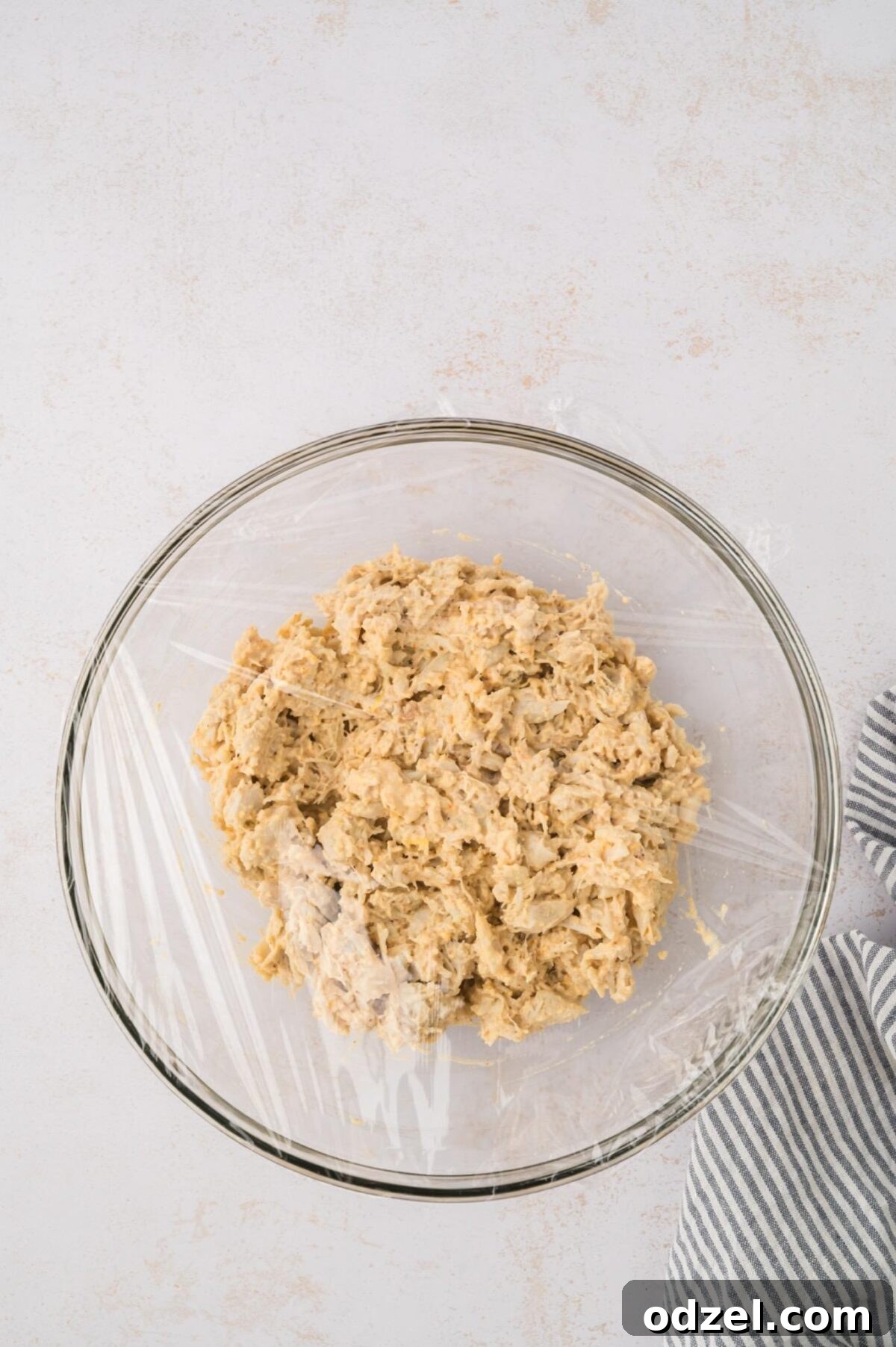
In a large bowl, mix the egg, mayo, Worcestershire sauce, lemon juice, lemon zest, old bay seasoning, Dijon mustard, and saltine crackers. Mix well.
-
Fold in the crab meat gently and mix until well combined. Cover and refrigerate for one hour.
-
Tightly form 4 large crab cakes about the diameter of the bun and place them on a baking sheet. Refrigerate for 15 minutes.
-
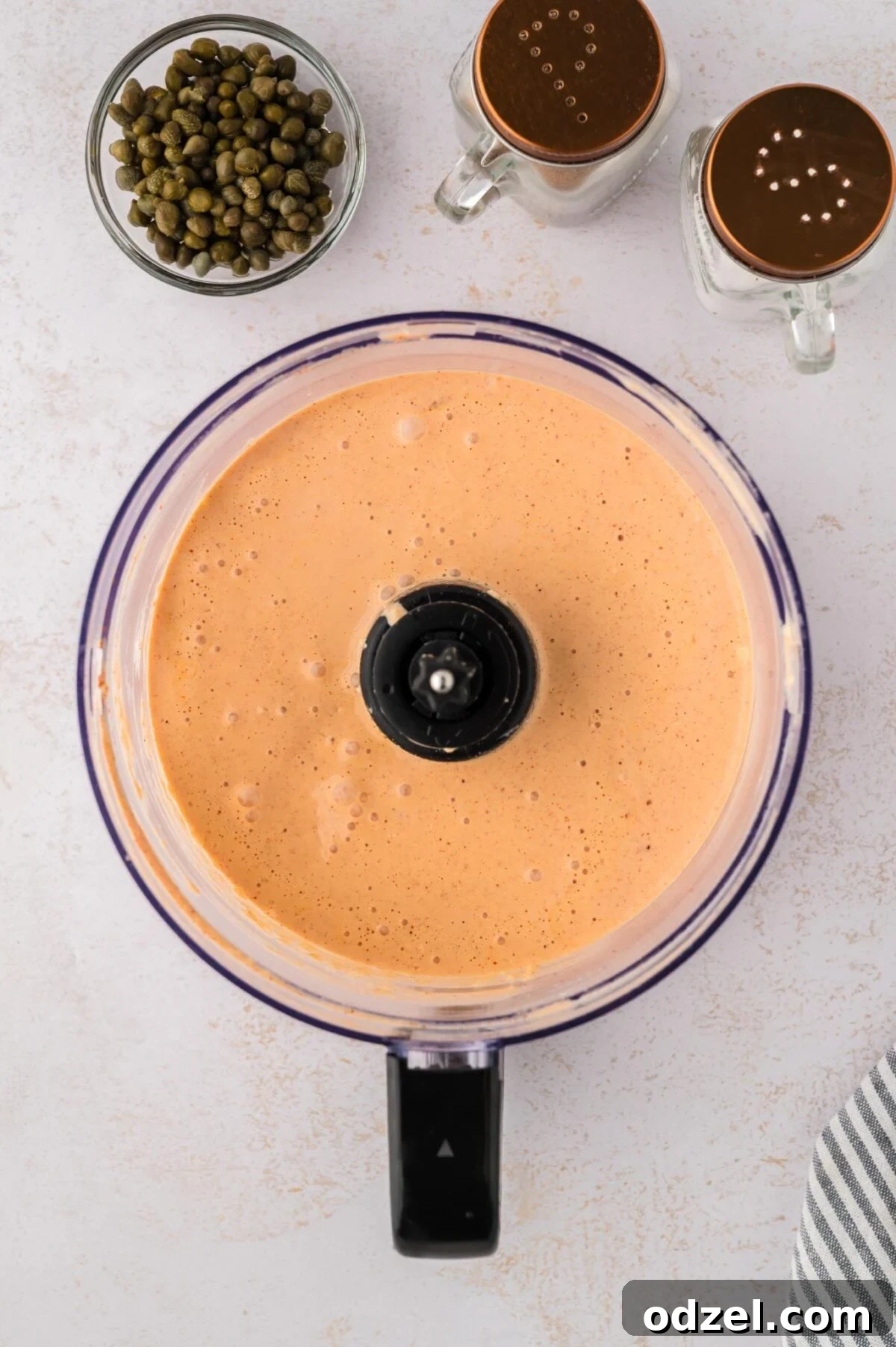
To make the remoulade sauce, place all of the remoulade ingredients in a food processor, minus the capers and blend until smooth. Season with salt and pepper and stir in the capers. Refrigerate until ready to serve.
-
Butter the buns. Heat a skillet over medium-high heat and toast for 1-2 minutes until golden and toasted.
-
Add some oil (about 2-3 tablespoons) to a non-stick skillet and heat over medium-high heat. Fry the crab cakes for 3-4 minutes on each side.
-
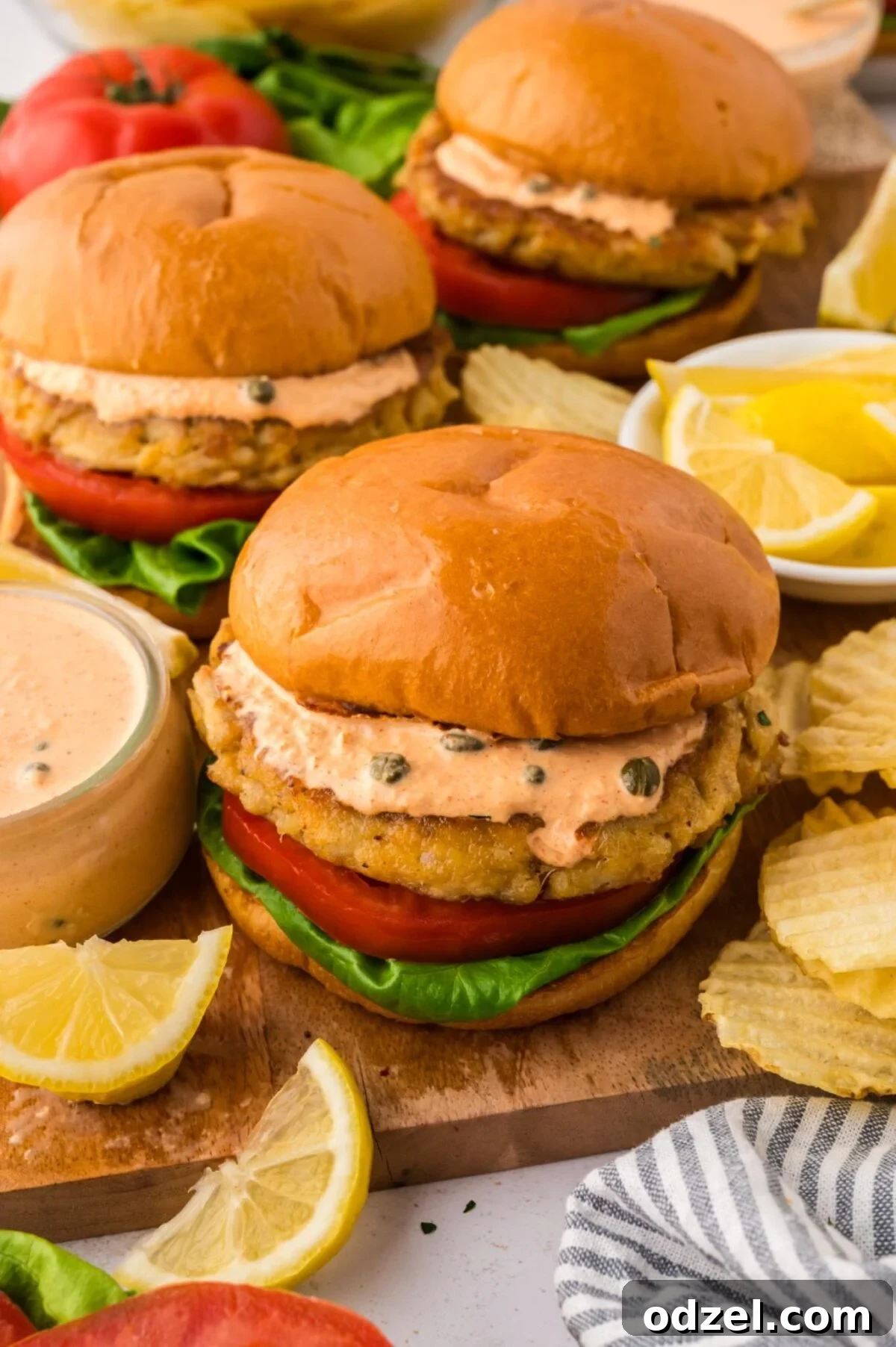
Make the sandwiches by placing a lettuce leaf on the bottom bun, then add a tomato slice. Carefully stack a crab cake on the tomato, then drizzle with remoulade sauce. Replace the top bun and serve with extra remoulade sauce and fresh lemon wedges.
Notes
Nutrition
Nutrition information is automatically calculated, so should only be used as an approximation.
Additional Info
Like this recipe? Leave a comment below!