
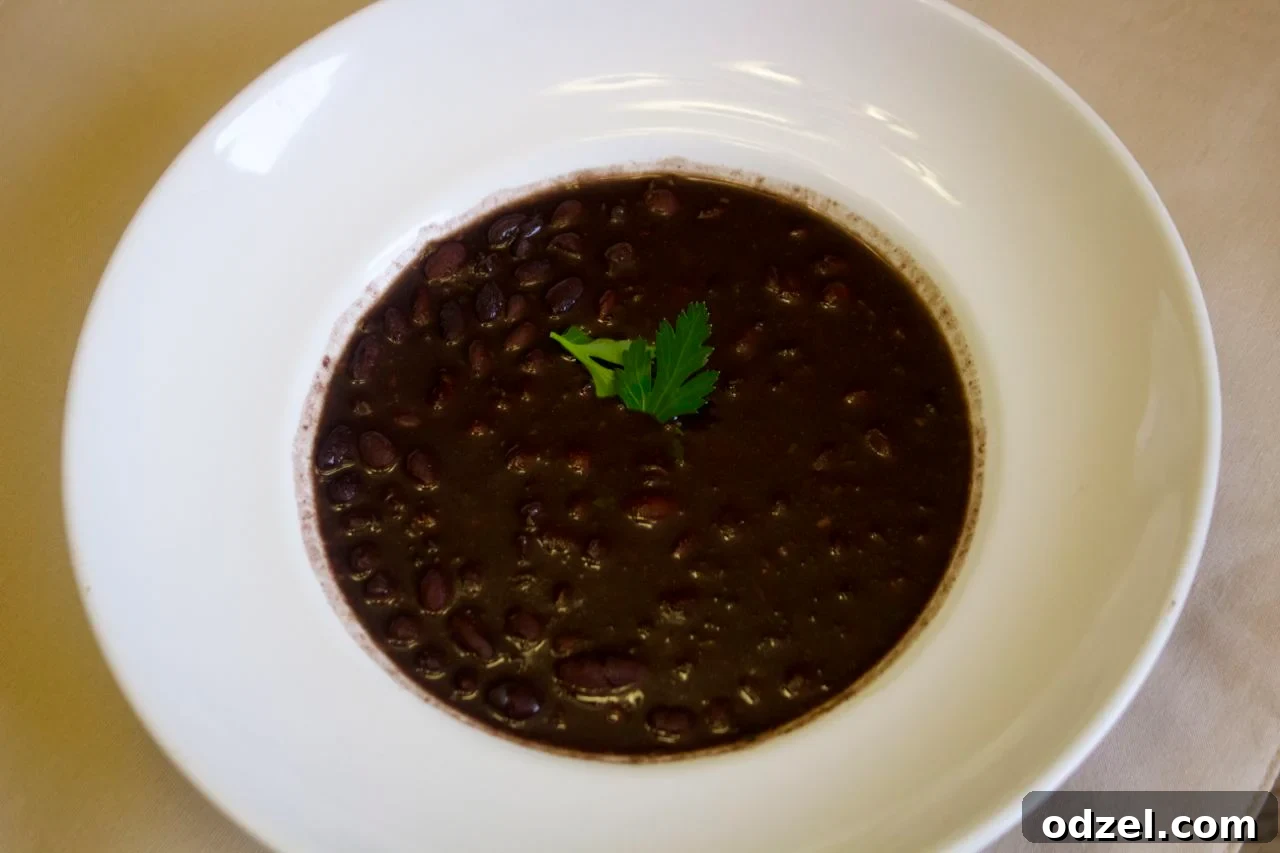
Authentic Cuban Black Beans: A Flavorful Journey Home
A Culinary Trip Down Memory Lane with Frijoles Negros
Few dishes evoke a sense of home and cherished memories quite like Cuban black beans. For me, this rich, savory staple is the taste of my childhood, a comforting presence on countless family dinner tables. I vividly recall my grandmother, a culinary wizard in her own right, preparing her exquisite black beans. Though I was a picky eater who shied away from meat as a child, she would always serve a generous portion alongside fluffy white rice and, inevitably, some shredded chicken she insisted I try. My brother and I would often engage in silent (and sometimes not-so-silent) negotiations over whose plate the chicken would ultimately land on, usually ending with his playful threat, “I’m going to tell on you!”
Those fragrant, dark beans were always the star of the show for me. They weren’t just food; they were a warm embrace, a story whispered through generations, and a testament to the simple yet profound flavors of Cuban heritage. It’s no wonder that learning to make black beans was the very first culinary skill I ever mastered. Over the years, I’ve experimented with countless variations, each attempt bringing me closer to perfecting that familiar, beloved taste. While I’ve certainly developed many versions, the one I’m thrilled to share with you today is truly my favorite. It’s a heartfelt tribute to my Cuban grandmother’s foundational recipe, but with my own signature additions – a hint of sugar and the rich depth of tomato sauce – that I believe elevate it to something truly special.
The Heart and Soul of Cuban Dining: Why Black Beans Matter
Cuban black beans, affectionately known as “frijoles negros,” are far more than just a side dish; they are an indispensable pillar of Cuban cuisine, deeply embedded in the island’s culinary identity. From humble family meals to festive gatherings, these beans are a constant presence, celebrated for their versatility, nutritional value, and unparalleled flavor. Their historical significance traces back to a blend of Spanish and African influences, evolving over centuries to become the iconic dish we know and love today.
The magic of frijoles negros lies in their ability to transform simple ingredients into a complex tapestry of taste. The savory depth comes from a meticulously prepared sofrito – a aromatic base of finely chopped onion, green bell pepper, and garlic, slowly sautéed in olive oil. This foundation is then infused with earthy spices like cumin and oregano, a splash of dry white wine, and a touch of sweetness from sugar and tomato sauce. The result is a pot of beans with a rich, velvety texture and a profound, comforting flavor that pairs perfectly with almost anything. They are naturally vegetarian and vegan-friendly, making them a healthy, protein-packed, and fiber-rich addition to any diet.
Whether served simply with fluffy white rice for a classic “arroz con frijoles” or as part of a more elaborate Cuban spread featuring succulent roasted pork, fried plantains, and a vibrant salad, these beans are a testament to the power of traditional cooking. They embody the warmth and hospitality of Cuban culture, inviting everyone to gather around the table and savor a taste of heritage.
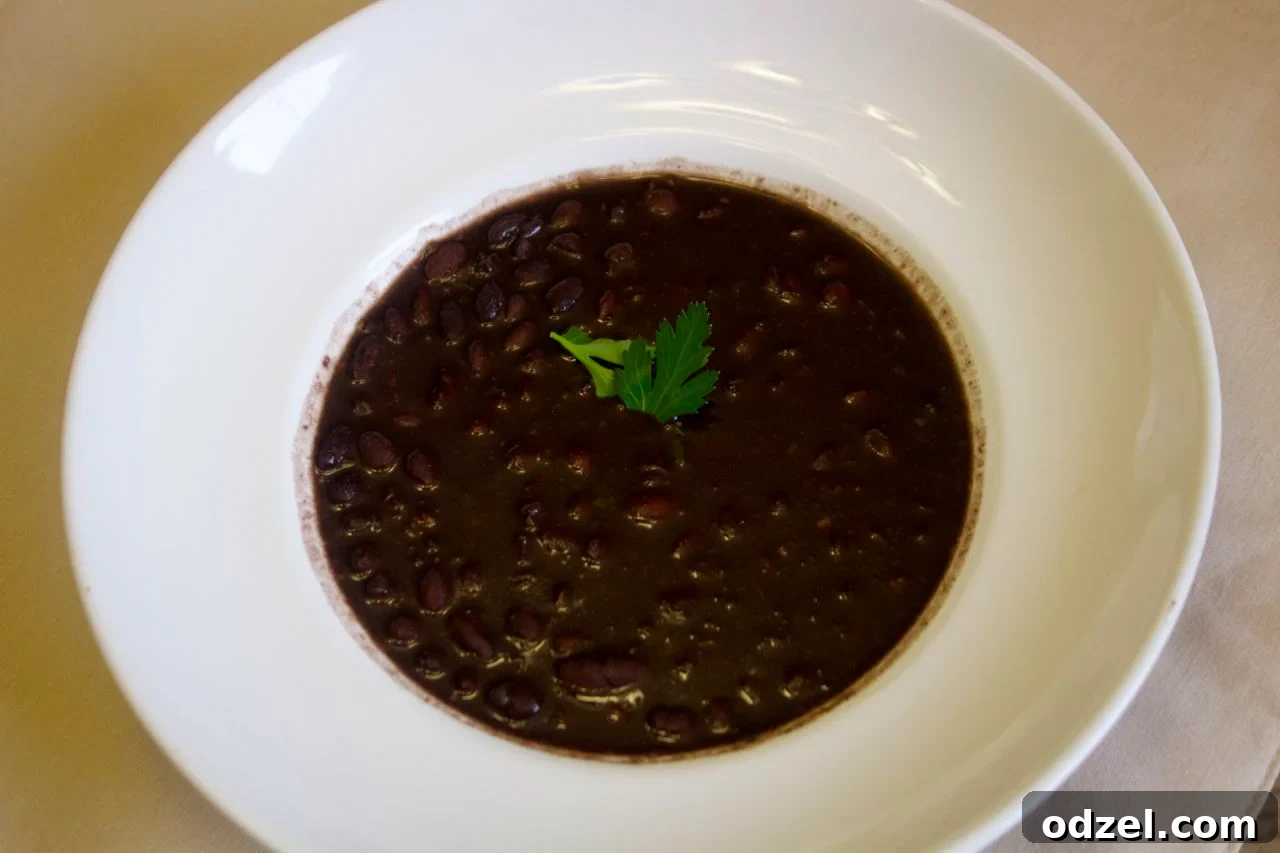
Cuban Black Beans Recipe
Julie Maestre
10 mins
1 hr
1 hr 5 mins
6 people
Rate Recipe
Print Recipe
Ingredients
- 1 lb Dried Black Beans
- 8 cups water
- 1 small onion, finely chopped (for sofrito)
- 1 small tomato, roughly chopped (for sofrito)
- 4 cloves garlic, minced (for sofrito)
- 1/2 green bell pepper, roughly chopped (for sofrito)
- 1/4 cup fresh cilantro, chopped
- 1/4 cup olive oil
- 1/4 cup dry white wine (optional, but adds great depth)
- 1/4 cup tomato sauce
- 1/2 tsp dried oregano
- 1 tsp ground cumin
- 2 leaves bay leaves
- 1/2 tsp granulated sugar
- Salt and freshly ground black pepper to taste
Instructions
-
Prepare the Beans: Begin by thoroughly rinsing the dried black beans under cold water to remove any debris. Place the rinsed beans in a pressure cooker along with the 8 cups of fresh water. Cook for approximately 40 minutes under pressure, or according to your pressure cooker’s specific instructions, until the beans are tender. If you don’t have a pressure cooker, soak the beans overnight, then boil them for 1.5-2 hours, or until soft.
-
Make the Sofrito: While the beans are cooking, prepare your flavorful sofrito. In a food processor, combine the chopped onion, tomato, minced garlic cloves, and roughly chopped green bell pepper. Process these ingredients until you achieve a smooth, almost pureed consistency. With the food processor still running, slowly drizzle in the olive oil to create a rich, emulsified base. This sofrito is the cornerstone of Cuban flavor, so ensure it’s well blended.
-
Sauté the Sofrito: Heat a large skillet or pot over medium-high heat. Add the pureed vegetable mixture (sofrito) and sauté for about 5 minutes, stirring frequently. This step is crucial for developing the deep, aromatic flavors of the vegetables and removing any raw taste. The sofrito should become fragrant and slightly caramelized, signaling its readiness.
-
Combine Flavors: Once the beans are cooked and tender, carefully release the pressure from the cooker (if using). Stir the sautéed sofrito mixture into the cooked black beans. Now, incorporate the remaining flavor enhancers: the dry white wine (if using), tomato sauce, dried oregano, ground cumin, bay leaves, granulated sugar, salt, and freshly ground black pepper. Stir everything together thoroughly to ensure all ingredients are well combined and the spices are evenly distributed.
-
Simmer and Thicken: Bring the mixture to a gentle simmer over medium heat. Allow the beans to cook, uncovered, for an additional 20 minutes. This simmering period is essential for the flavors to meld beautifully and for the sauce to thicken to a luscious consistency. Stir occasionally to prevent sticking. Taste and adjust seasonings as needed – you might want a little more salt, pepper, or a pinch more sugar to achieve your perfect balance. Once thickened to your liking, remove the bay leaves and prepare to enjoy this authentic Cuban delight!
Video Guide: Perfecting Your Cuban Black Beans
For visual learners, this video offers a step-by-step guide to making perfect Cuban black beans. Watching the preparation of the sofrito and the simmering process can be incredibly helpful for perfecting the ideal texture and flavor of your beans. Don’t forget to subscribe to the channel for more delicious recipes and cooking inspiration!
Nutrition Facts
Per Serving (approx. 6 servings total):
- Serving Size: 6g
- Calories: 356kcal
- Carbohydrates: 49g
- Protein: 16g
- Fat: 10g
- Saturated Fat: 1g
- Sodium: 76mg
- Potassium: 1193mg
- Fiber: 12g
- Sugar: 2g
- Vitamin A: 160IU
- Vitamin C: 9.7mg
- Calcium: 112mg
- Iron: 4.4mg
Nutrition information is automatically calculated and should be considered an approximation. Individual results may vary based on exact ingredients and preparation methods.
Recipe At-a-Glance
Author: Julie Maestre
Prep Time: 10 minutes
Cook Time: 1 hour
Total Time: 1 hour 5 minutes
Course: Entree, Side Dish
Cuisine: Cuban
Servings: 6 people
Calories: 356 kcal per serving
Keywords: Easy Cuban Black Beans, Frijoles Negros, Traditional Cuban Recipe, Pressure Cooker Black Beans, Vegetarian Black Beans
Tips for Achieving Perfectly Flavorful Cuban Black Beans
While this recipe is straightforward, a few key tips can elevate your Cuban black beans from good to absolutely unforgettable, ensuring they embody the true essence of this beloved dish:
- Embrace the Sofrito: The sofrito is the undeniable flavor foundation of Cuban cuisine. Dedicate sufficient time to properly sauté it until it’s deeply fragrant and slightly browned. This meticulous process caramelizes the natural sugars in the vegetables and profoundly deepens their flavors, imparting that signature Cuban taste to your beans. Rushing this step will result in a less complex and vibrant final product.
- Dried Beans are Superior: Although canned beans offer undeniable convenience, cooking dried black beans from scratch yields a far superior texture and a richer, more authentic flavor. The process allows them to slowly absorb all the wonderful seasonings, resulting in a more tender and flavorful bean.
- Pressure Cooker for Modern Convenience: If you’re fortunate enough to own a pressure cooker, it’s a true game-changer for preparing dried beans. It drastically reduces the cooking time, making a traditional dish much more accessible on a busy weeknight. Always ensure you follow your specific pressure cooker’s safety and usage guidelines.
- The Subtle Power of Bay Leaves: Bay leaves may seem like a minor addition, but they contribute an essential, nuanced aromatic depth that beautifully rounds out the overall flavor profile of the beans. Remember to retrieve and discard them before serving, as they are not meant for consumption.
- Balance with a Touch of Sugar: The small amount of granulated sugar in this recipe might raise an eyebrow, but it’s a time-honored secret ingredient in many authentic Cuban black bean preparations. It cleverly helps to balance the acidity from the tomato sauce and enhances the natural sweetness of the beans, creating a more complex and harmonious flavor experience that is truly delightful.
- Taste and Adjust Seasoning: Never underestimate the power of tasting as you go! Seasoning is highly subjective, and your beans will benefit from adjustments. You might find they need a touch more salt, a crack of fresh black pepper, or even a tiny splash of apple cider vinegar or lime juice (added at the very end, after cooking) for a bright, tangy finish. Pay attention to the consistency too; if it’s too thin, simmer longer; if too thick, add a little water or vegetable broth.
- Allow Flavors to Develop: Like many hearty stews and braises, Cuban black beans often taste even better the day after they are made. The flavors have more time to meld, deepen, and truly harmonize. Consider making a larger batch so you can savor the even more delicious leftovers!
Beyond the Classic: Creative Variations and Perfect Serving Ideas
Cuban black beans are incredibly versatile and adaptable, allowing for delightful customizations to suit various palates and dietary preferences. Don’t hesitate to make this recipe truly your own:
Customize Your Frijoles Negros:
- Add a Spicy Kick: For those who appreciate a touch of heat, consider adding a pinch of red pepper flakes or a finely diced jalapeño or serrano pepper to your sofrito mixture during the sautéing stage.
- Herbaceous Enhancements: While fresh cilantro is traditionally used, feel free to experiment with other herbs. A sprig of fresh thyme or oregano added during the simmering phase can introduce an extra layer of aromatic complexity.
- Introduce Smoky Depth: A small dash of smoked paprika (Pimentón de la Vera) can impart a wonderful, deep smokiness to the beans, complementing their earthy flavor profile beautifully.
- Traditional Meat Additions: While this recipe is designed to be vegetarian-friendly, some traditional Cuban versions incorporate small pieces of salt pork, bacon, or a ham hock cooked with the beans for added richness and a savory, smoky undertone. If adding meat, sauté it with the sofrito to render out the fat and build flavor.
- Strictly Vegetarian & Vegan: This recipe is naturally vegan! To maintain strict vegan adherence, ensure all ingredients, particularly the white wine, are verified as vegan-friendly.
Perfect Pairings: What to Serve with Authentic Cuban Black Beans
The classic and quintessential pairing for Cuban black beans is, without a doubt, fluffy white rice. This harmonious combination forms the backbone of countless Cuban meals, offering a perfectly balanced and deeply satisfying experience. However, don’t limit your culinary imagination! Here are some other delightful serving suggestions to complement your frijoles negros:
- Arroz con Frijoles: The ultimate traditional duo. Serve a generous scoop of the rich black beans over a bed of warm, perfectly cooked white rice for the ultimate comfort food.
- With Roasted Pork (Lechon Asado): The succulent richness of slow-roasted pork (like Lechon Asado) provides a magnificent contrast and complement to the savory depth of the beans.
- Fried Plantains (Tostones or Maduros): The sweet and salty balance offered by fried plantains (either savory tostones or sweeter maduros) adds an irresistible and essential element to any Cuban meal.
- Yucca with Mojo: Boiled or fried yucca, generously drizzled with a zesty, garlicky citrus mojo sauce, is another fantastic and authentic side dish that pairs wonderfully.
- Fresh Avocado Salad: A simple, vibrant salad featuring sliced or diced avocado provides a refreshing, creamy counterpoint to the hearty beans.
- As a Filling: Use the thick, flavorful beans as a hearty and satisfying filling for empanadas, tacos, burritos, or even alongside cheesy quesadillas.
- Breakfast Staple: In certain regions, black beans are even enjoyed as a wholesome breakfast item, often topped with a perfectly fried egg and a sprinkle of fresh cilantro.
Nutritional Powerhouse: The Remarkable Health Benefits of Black Beans
Beyond their incredible flavor and cultural significance, Cuban black beans are a true nutritional powerhouse, making them an exceptionally smart and delicious choice for a healthy and balanced diet. Incorporating them regularly into your meals offers a myriad of health advantages:
- Excellent Source of Plant-Based Protein: Black beans are a fantastic source of plant-based protein, which is vital for muscle repair, growth, and overall cellular function. Their high protein content also contributes significantly to feelings of fullness and satisfaction, making them an excellent meat alternative for vegetarians and vegans.
- Rich in Dietary Fiber: These humble legumes are incredibly rich in dietary fiber, encompassing both soluble and insoluble types. This high fiber content plays a crucial role in promoting optimal digestive health, aiding in the regulation of blood sugar levels, and can actively contribute to maintaining healthy cholesterol levels.
- Packed with Essential Vitamins and Minerals: Black beans are brimming with a diverse array of essential micronutrients that are critical for various bodily functions, including:
- Folate (Vitamin B9): Indispensable for cell growth, DNA synthesis, and preventing certain birth defects.
- Iron: Crucial for the production of red blood cells and the efficient transport of oxygen throughout the body.
- Magnesium: Involved in over 300 biochemical reactions, including nerve and muscle function, blood glucose control, and blood pressure regulation.
- Potassium: Key for maintaining proper fluid balance, nerve signals, and supporting healthy blood pressure.
- Antioxidants: Black beans contain a variety of powerful antioxidants, such as anthocyanins and flavonoids, which help protect your body’s cells from damage caused by free radicals, potentially reducing the risk of chronic diseases.
- Promotes Heart Health: The combination of fiber, potassium, folate, and antioxidants in black beans contributes to excellent cardiovascular health by helping to manage cholesterol, blood pressure, and inflammation.
- Supports Weight Management: Thanks to their high fiber and protein content, black beans are incredibly satiating, helping to reduce overall calorie intake and support healthy weight management goals.
Incorporating these authentic Cuban black beans into your regular diet is not just a culinary treat; it’s an easy, delicious, and effective way to boost your intake of these vital nutrients, thereby supporting overall health and long-term well-being.
Storage and Reheating Tips for Longevity
One of the many wonderful aspects of Cuban black beans is that they store beautifully and often taste even better the next day as the flavors have more time to deepen and meld. This makes them an ideal dish for meal prepping!
- Refrigeration: Store any leftover black beans in a clean, airtight container in the refrigerator for up to 4-5 days. Ensure they are completely cooled before transferring them to the container to prevent condensation.
- Freezing for Longer Storage: For extended storage, portion the cooled beans into individual freezer-safe containers or heavy-duty freezer bags. They can be frozen for up to 3 months without significant loss of quality. When ready to use, thaw them overnight in the refrigerator before reheating.
- Reheating Instructions: Gently reheat your black beans on the stovetop over medium-low heat, stirring occasionally, until they are thoroughly warmed through. If the beans have thickened too much during storage, you can easily restore their desired consistency by adding a splash of water or vegetable broth while reheating. Alternatively, they can be reheated in the microwave, stirring halfway through for even heating.
Share Your Cuban Black Bean Experience!
I genuinely hope this recipe brings a little piece of Cuban warmth, tradition, and incredible flavor into your home. These black beans are more than just food; they are a celebration of culture, family, and timeless taste. Whether you’re making them for the very first time or revisiting a beloved classic, this recipe promises a hearty, authentic, and utterly delicious experience. I invite you to try this recipe and make it a staple in your kitchen!
Did you try this recipe? We’d love to hear from you! Please share your thoughts and leave a comment below!