
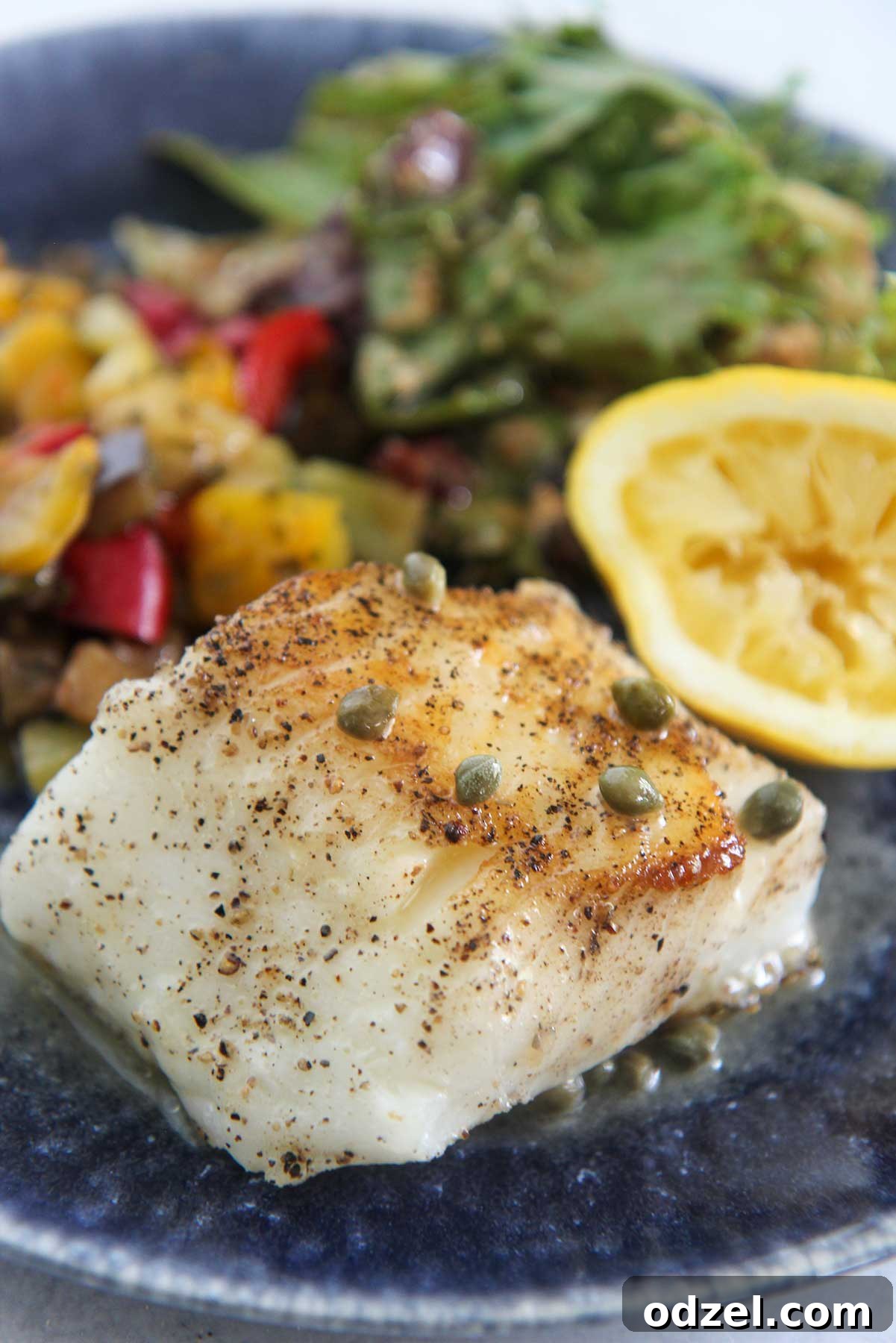
Perfect Pan-Seared Chilean Sea Bass with Lemon Butter Sauce: An Effortless Gourmet Meal
Craving a restaurant-quality seafood dinner that’s both incredibly easy and quick to prepare? Look no further than this exquisite Pan-Seared Chilean Sea Bass. Featuring tender, flaky bass seared to perfection and elegantly finished with a vibrant lemon butter sauce, this dish promises a healthy, flavorful, and satisfying meal in under 20 minutes. It’s the ultimate answer for busy weeknights or when you simply desire a touch of culinary sophistication without the fuss.
If you’re a fan of simple yet sensational fish dishes, you might also enjoy our Fried Tilapia or the equally delightful Pan-Seared Lemon Butter Salmon!
Understanding Chilean Sea Bass: The Patagonian Toothfish Revealed
Often considered a delicacy, Chilean Sea Bass, scientifically known as Patagonian Toothfish, is renowned for its distinctly rich, buttery flavor and incredibly tender, flaky texture. Despite its less appealing scientific name, “Chilean Sea Bass” has become the popular market moniker, helping this deep-water fish from the cold waters off Chile and Argentina gain widespread recognition. Its high oil content contributes to its moistness and succulence, making it a favorite among chefs and home cooks alike. When cooked correctly, it practically melts in your mouth, offering a luxurious seafood experience that is surprisingly simple to achieve at home.
Choosing high-quality Chilean Sea Bass is crucial for the best results. Look for firm, white, and translucent fillets with no “fishy” odor. Ideally, purchase from a reputable fishmonger who can confirm its origin and quality. While frozen sea bass is a convenient option, ensure it’s properly thawed in the refrigerator overnight to maintain its delicate texture. Properly sourced Chilean Sea Bass can be a sustainable choice; look for certifications from organizations like the Marine Stewardship Council (MSC) to ensure you’re making an environmentally responsible decision.
Essential Ingredients for Your Pan-Seared Chilean Sea Bass
Creating an exceptional Pan-Seared Chilean Sea Bass requires just a handful of quality ingredients. Each component plays a vital role in enhancing the natural flavors of this magnificent fish.
- Chilean Sea Bass Fillets: The star of our dish. For optimal and even cooking, allow your sea bass fillets to come to room temperature for about 15-20 minutes before placing them in the hot skillet. Cooking cold fish directly can lead to uneven results, with the exterior potentially overcooking while the center remains underdone. Aim for fillets that are about 1 to 1.5 inches thick for consistent cooking times.
- Salt and Freshly Ground Black Pepper: These fundamental seasonings are critical. Given the mild flavor of sea bass, generous seasoning on all sides is highly recommended to bring out its natural taste and prevent it from tasting bland. Kosher salt is excellent for creating a subtle crust, while fresh black pepper adds a delightful aromatic kick. Don’t be shy – proper seasoning elevates the entire dish.
- Fresh Lemon: Indispensable for a vibrant, fresh finish. The acidity of fresh lemon juice cuts through the richness of the fish and butter sauce, brightening the flavors and adding a zesty counterpoint. A squeeze of lemon at the end is a game-changer. Consider also thinly slicing a lemon for garnish or including a few slices in the pan during the final stages of searing for infused flavor.
- Unsalted Butter: Essential for our luscious lemon butter sauce and for imparting a rich, golden hue to the seared fish. Unsalted butter allows you to control the overall saltiness of the dish, giving you flexibility to adjust to your preference.
- Capers: These small, briny flower buds add a wonderful tangy and slightly salty burst of flavor to the lemon butter sauce, complementing the fish beautifully. They provide a sophisticated depth that elevates the sauce from simple to sublime, making it feel truly gourmet.
- High Smoke Point Oil (e.g., Avocado, Grapeseed, or Canola Oil): For searing the fish. Using an oil with a high smoke point ensures you can achieve a beautiful golden-brown crust without burning the oil or imparting off-flavors. While olive oil can be used, be mindful of its lower smoke point, which might require slightly lower heat.
Step-by-Step Guide: Crafting Your Pan-Seared Chilean Sea Bass
Mastering pan-seared Chilean Sea Bass is simpler than you might imagine. Follow these detailed steps to achieve a perfectly cooked, golden-crusted fish every time, accompanied by a bright and flavorful lemon butter caper sauce.
- Prepare the Fish: Begin by thoroughly inspecting your Chilean Sea Bass fillets for any remaining pin bones. These can be easily removed with a pair of clean pliers or tweezers. Once deboned, gently pat the fish completely dry on all sides using paper towels. This crucial step removes excess moisture, which is key to achieving that desirable crispy, golden-brown crust when searing.
- Preheat the Skillet: Choose a heavy-bottomed skillet, such as cast iron or stainless steel, which retains heat well. Add about 1-2 tablespoons of high smoke point oil (like avocado or grapeseed) to the skillet. Heat the oil over high heat until it just begins to shimmer and small wisps of smoke appear. This indicates the pan is hot enough for effective searing.
- Season and Sear: Generously season both sides of your dried sea bass fillets with Kosher salt and freshly ground black pepper. Once the skillet is hot, carefully place the fish, skin-side down (if applicable), into the pan. Immediately reduce the heat to medium. Sear for approximately 5-6 minutes on the first side. This initial sear, especially skin-side down, helps render the fat, creating a wonderfully crisp skin and locking in moisture within the fillet.
- Flip and Finish: Using a thin spatula, gently flip the fish to the other side. Continue to cook for another 4-6 minutes, or until the fish is opaque throughout and flakes easily with a fork. The cooking time will vary depending on the thickness of your fillets. Avoid over-flipping, as this can cause the delicate fish to break apart and lose its beautiful presentation.
- Prepare the Lemon Butter Caper Sauce: While the fish is finishing its cook, prepare the sauce. In a separate small skillet or saucepan, melt 2 tablespoons of unsalted butter over medium heat. Once melted and slightly fragrant, add 2 tablespoons of capers. Cook for about 1 minute, allowing their briny flavor to release. Remove the pan from the heat and stir in the fresh juice of 1 lemon. Season with a pinch of salt and pepper to taste.
- Serve Immediately: Transfer the perfectly seared Chilean Sea Bass fillets to individual plates. Spoon the vibrant lemon butter caper sauce generously over each piece of fish. Garnish with additional fresh lemon wedges and a sprinkle of fresh parsley or dill, if desired, for both flavor and visual appeal. Serve hot and enjoy this simple yet elegant dish!
Expert Tips and Delicious Variations for Your Sea Bass
Elevate your Pan-Seared Chilean Sea Bass with these expert tips and creative variations, ensuring every meal is a memorable one:
- Achieving the Perfect Crispy Skin: The key to crispy skin lies in two steps: thoroughly patting the fish dry before searing, and starting the sear skin-side down in a very hot skillet with a high smoke point oil. Press down lightly on the fillet for the first minute to ensure full contact with the pan, which helps the skin crisp evenly without curling.
- Infuse Aromatic Flavors: For an extra layer of flavor, toss some minced garlic cloves and thinly sliced shallots or diced onions into the pan during the last 2-3 minutes of searing the fish on the second side. Their aromas will infuse into the cooking oil and lightly caramelize, adding depth to your dish. You can then spoon these aromatics over the fish or incorporate them directly into your lemon butter sauce.
- Experiment with Seasonings: While simple salt and pepper are fantastic, feel free to explore other seasoning blends. Consider a touch of smoked paprika for warmth, a sprinkle of Italian seasoning for herbaceous notes, zesty lemon pepper, or even a kick of Cajun seasoning or chipotle seasoning for a bolder profile. Fresh herbs like dill, parsley, or chives also pair wonderfully.
- Mitigate “Fishy” Flavors: If you’re sensitive to an overly “fishy” taste, a simple trick can help. Submerge the bass fillets in a bowl of saltwater (approximately 1 tablespoon of salt per cup of water) or milk for at least 30 minutes, or even overnight in the refrigerator. This process helps to draw out some of the stronger odors. Remember to rinse and thoroughly pat dry before cooking. The fresh lemon juice in the sauce also naturally helps to neutralize any lingering fishy notes.
- Simplify the Sauce: For an even quicker preparation, skip the full lemon butter caper sauce and simply squeeze fresh lemon juice directly over the hot, seared fish. A drizzle of good quality extra virgin olive oil can also be added for richness and a lovely sheen. This minimalist approach allows the pure, delicate flavor of the sea bass to truly shine.
- Add a Splash of Wine: For a more refined sauce, after removing the fish, deglaze the hot pan with a splash of dry white wine (like Sauvignon Blanc or Pinot Grigio). Let it reduce by half, scraping up any browned bits from the bottom of the pan, then add your butter, lemon juice, and capers. This adds an extra layer of complexity to the sauce.
Perfect Pairings: What to Serve with Pan-Seared Chilean Sea Bass
Chilean Sea Bass, with its rich flavor and delicate texture, pairs beautifully with a variety of sides. Here are some classic and creative suggestions to complete your gourmet meal, ensuring a balanced and satisfying dining experience:
- Fresh Vegetable Salad: A crisp, light salad with a bright vinaigrette, like our Vegetable Salad with Homemade Italian Dressing, offers a refreshing contrast to the richness of the fish.
- Creamy Coleslaw: The tangy sweetness and crisp texture of Creamy Coleslaw provides a delightful textural and flavor counterpoint.
- Comforting Creamed Corn: For a richer, comforting side, try Creamed Corn. Its sweetness complements the savory fish perfectly, adding a cozy element to the meal.
- Roasted Vegetables: Roasted Parmesan Brussels Sprouts, tender asparagus spears, crisp broccoli florets, or vibrant green beans tossed with olive oil, garlic, salt, and pepper make excellent healthy and flavorful additions.
- Starches: A simple rice pilaf, fluffy quinoa, or herb-roasted potatoes absorb the delicious lemon butter sauce beautifully, making for a well-rounded plate. Creamy mashed potatoes or polenta also offer a comforting base.
- Artisan Bread: Don’t forget some warm, crusty bread or savory Cheese Garlic Biscuits to soak up every last drop of that incredible sauce!
- Wine Pairing: For a complete culinary experience, pair your Pan-Seared Chilean Sea Bass with a crisp, dry white wine. Sauvignon Blanc, Pinot Grigio, or an unoaked Chardonnay are excellent choices that will complement the fish’s richness and the lemon butter sauce beautifully.
Frequently Asked Questions About Pan-Seared Chilean Sea Bass
How Do You Know When Chilean Sea Bass Is Fully Cooked?
The most reliable indicator that your Chilean Sea Bass is perfectly cooked is when the flesh turns opaque throughout its thickest part and flakes easily with a fork. On average, for fillets about 1 to 1.5 inches thick, this typically takes between 4-6 minutes per side over medium heat after an initial high-heat sear. It’s crucial to avoid overcooking, as this can result in dry, rubbery fish. The internal temperature, if checked with an instant-read thermometer, should reach 145°F (63°C). Remember to flip the fish only once; wait until you see a beautiful golden-brown crust forming on the first side before turning it over to cook the other side, ensuring both perfect texture and presentation.
Is Chilean Sea Bass a Healthy Choice?
From a nutritional standpoint, Chilean Sea Bass is generally considered a healthy option. It’s a white fish, making it naturally low in calories and an excellent source of lean protein, which is essential for muscle repair, satiety, and overall bodily function. It also contains beneficial Omega-3 fatty acids, particularly DHA and EPA, which are known to support heart health, brain function, and reduce inflammation. However, like other large, long-lived predatory fish such as tuna, swordfish, and marlin, Chilean Sea Bass can accumulate higher levels of mercury in its flesh. While occasional consumption is generally safe for most healthy adults, it’s advisable not to consume it on a daily basis. Specific recommendations often suggest limiting consumption to once or twice a week, especially for pregnant women, young children, or individuals with compromised immune systems. Always consider your individual dietary needs and consult with a healthcare professional if you have concerns.
What is the Difference Between Patagonian Toothfish and Chilean Sea Bass?
They are, in fact, the same fish! “Patagonian Toothfish” is the scientific and common name for the fish species (Dissostichus eleginoides). However, due to its less marketable sound, commercial fishing and culinary industries adopted the more appealing name “Chilean Sea Bass” to boost its popularity among consumers. The “Chilean” refers to the waters off the coast of Chile where it is frequently caught, and “Sea Bass” is used to suggest a familiar and desirable fish texture and flavor profile, even though it is not a true member of the bass family. This marketing strategy successfully transformed a lesser-known fish into a highly sought-after delicacy.
Can I Use Frozen Chilean Sea Bass?
Absolutely! Frozen Chilean Sea Bass is a convenient option and can be just as delicious and tender as fresh, provided it’s properly thawed. For best results, transfer the frozen fillets to the refrigerator and allow them to thaw slowly overnight. This gradual thawing process helps maintain the fish’s delicate texture. If you’re short on time, you can also thaw them in a sealed plastic bag under cold running water for about 30-60 minutes, depending on thickness. Always pat the thawed fish extremely dry with paper towels before seasoning and searing to ensure you achieve that desirable crispy crust and prevent steaming.
Storage and Reheating Instructions
Proper storage and gentle reheating ensure your leftover Chilean Sea Bass remains delicious and safe to eat, preventing it from drying out.
- Refrigeration: Store cooked Pan-Seared Chilean Sea Bass in a shallow, airtight container in the refrigerator for up to 3 days. Ensure the fish cools completely before sealing the container to prevent condensation, which can make the fish soggy.
- Freezing: For longer storage, cooked sea bass can be frozen. Place the fillets in an airtight freezer-safe container or wrap them tightly in heavy-duty freezer paper, then place them in a freezer bag, removing as much air as possible, for up to 2 months. Thaw overnight in the refrigerator before reheating.
- Reheating: To best preserve its delicate texture and flavor, reheat sea bass gently to avoid drying it out.
- Oven: Preheat your oven to a low temperature, around 275°F (135°C). Place the fish on a baking sheet, cover loosely with aluminum foil to trap moisture, and heat for 10-15 minutes, or until just warmed through.
- Stovetop: Gently warm the fish in a non-stick skillet over low-medium heat with a splash of broth or water to create steam and prevent drying. Cover the pan to help retain moisture.
- Microwave: Use with caution, as this method can easily overcook and dry out fish. Reheat on low power in short intervals (30 seconds at a time), checking frequently, until just warm.
- Air Fryer: Preheat your air fryer to 300°F (150°C). Air fry for 5-7 minutes, checking frequently, until the fish is warmed through and tender. A light mist of oil can help maintain moisture.
Pan Seared Chilean Sea Bass
By: Julie Maestre
If you want the easiest and quickest seafood dinner, try out this savory Pan Seared Chilean Sea Bass. It’s a simple dish of fresh bass seared in a hot skillet and topped with a lemon butter sauce.
Cook Time: 12 mins
Total Time: 17 mins
Servings: 2
Print Recipe
Ingredients
- 1 lb Chilean Sea Bass fillets (about 2 fillets, 1-1.5 inches thick)
- 2 tbsp unsalted butter
- 2 tbsp capers, drained
- 1 fresh lemon (juiced, plus wedges for serving)
- 1-2 tbsp high smoke point oil (e.g., avocado, grapeseed, or canola)
- Salt and freshly ground black pepper, to taste
Instructions
- Prepare Fish: Carefully remove any pin bones from the Chilean Sea Bass fillets. Thoroughly pat the fish dry on all sides with paper towels. Let stand at room temperature for 15 minutes.
- Heat Skillet: Heat 1-2 tablespoons of high smoke point oil in a heavy-bottomed skillet (such as cast iron) over high heat until it shimmers and just begins to smoke lightly.
- Sear Fish: Season the dried fish generously with salt and freshly ground black pepper on both sides. Carefully place the fish, skin-side down (if applicable), into the hot skillet. Reduce heat immediately to medium and cook for 5-6 minutes on the first side until golden brown and crispy.
- Flip and Finish: Using a thin spatula, gently flip the fish to the other side. Continue to cook for another 4-6 minutes, or until the fish is opaque throughout its thickest part and flakes easily with a fork.
- Make Sauce: While the fish cooks, in a separate small saucepan, melt 2 tablespoons of unsalted butter over medium heat. Add the drained capers and cook for 1 minute until fragrant. Remove from heat and stir in the fresh juice of 1 lemon. Season the sauce with a pinch of salt and pepper to taste.
- Serve: Transfer the perfectly seared sea bass fillets to individual serving plates. Spoon the vibrant lemon butter caper sauce generously over each piece of fish. Garnish with fresh lemon wedges and fresh herbs if desired, and serve immediately.
Notes
- Reduce Fishy Taste: To minimize any strong fishy flavor, you can soak the bass in saltwater (1 tbsp salt per cup of water) or milk for 30 minutes to overnight in the refrigerator. Remember to rinse and thoroughly pat dry before cooking.
- Lemon Only Option: For an even lighter dish, simply squeeze fresh lemon juice directly over the cooked fish instead of preparing the full lemon butter caper sauce. A drizzle of olive oil can also be added.
Nutrition Facts
(Approximate values per serving, based on 2 servings)
- Calories: 478 kcal
- Carbohydrates: 5g
- Protein: 27g
- Fat: 40g
- Saturated Fat: 13g
- Trans Fat: 1g
- Cholesterol: 130mg
- Sodium: 434mg
- Potassium: 81mg
- Fiber: 2g
- Sugar: 1g
- Vitamin A: 826 IU
- Vitamin C: 29mg
- Calcium: 21mg
- Iron: 1mg
Nutrition information is automatically calculated and should only be used as an approximation. Actual values may vary based on ingredients and preparation methods.
Additional Info
- Author: Julie Maestre
- Prep Time: 5 minutes
- Cook Time: 12 minutes
- Total Time: 17 minutes
- Course: Entree
- Cuisine: American
- Servings: 2
- Keywords: Chilean Sea Bass, How to make Chilean sea bass, Pan Seared Chilean Sea Bass, easy fish recipe, healthy seafood, lemon butter fish
Enjoyed this recipe? Share your thoughts!
We love hearing from our readers. If you’ve tried this delicious Pan-Seared Chilean Sea Bass, please leave a comment below and let us know how it turned out!