
The Ultimate Vegetarian Delight: Irresistible Vegetable Lasagna Recipe
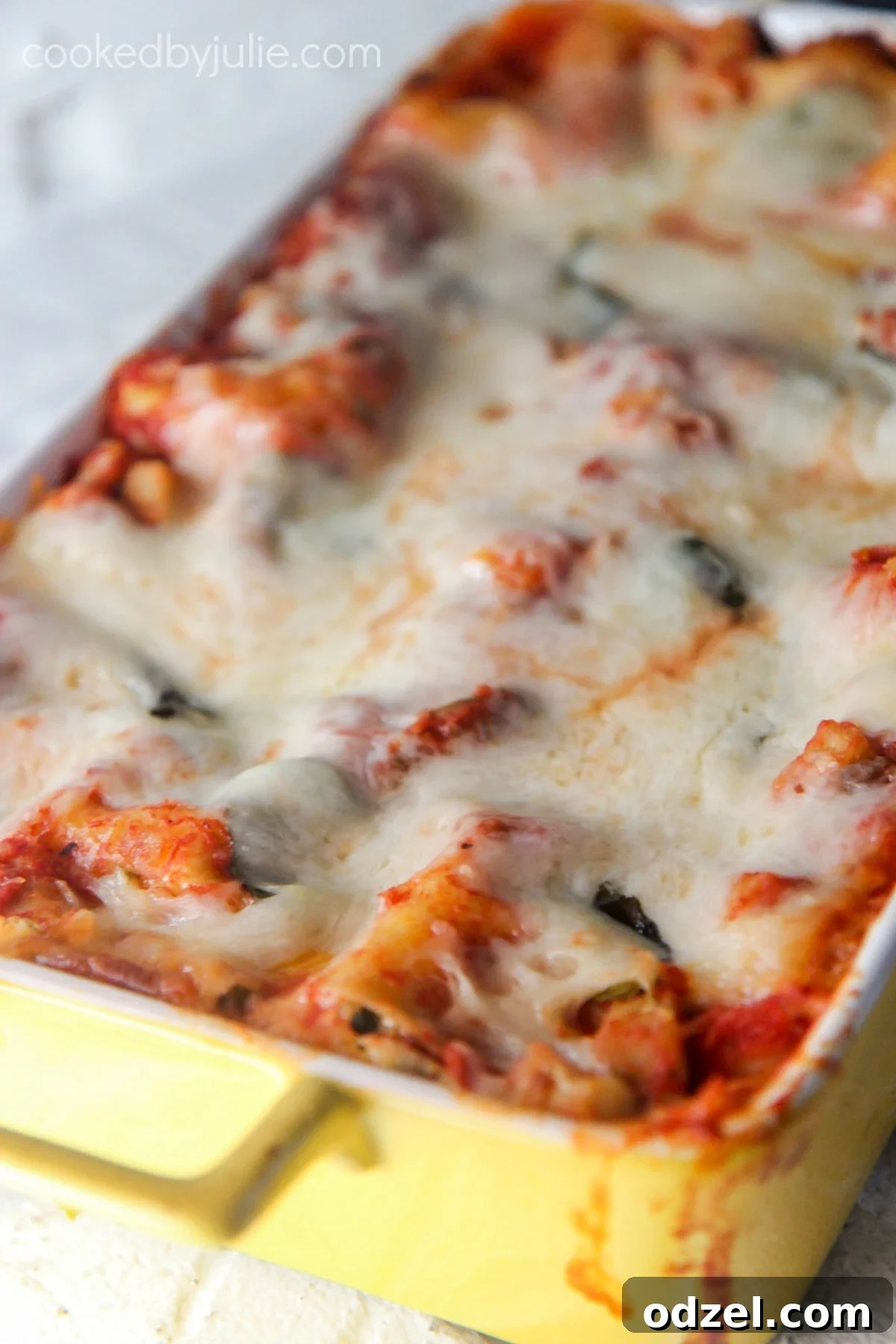
Imagine perfectly cooked pasta embracing a rich blend of creamy cheeses, vibrant garden-fresh vegetables, and a robust tomato sauce. That, my friends, is the magic of an exceptional vegetable lasagna. This recipe isn’t just a meal; it’s an experience – a truly divine creation that brings comfort and joy to any table. Whether you’re a seasoned chef or a home cook looking for a show-stopping dish, this homemade vegetable lasagna promises to impress with every delicious forkful.
For a complete and delightful meal, consider serving this hearty lasagna with a simple fresh tomato avocado salad and some warm, crusty garlic parmesan dinner rolls to soak up every last bit of savory sauce.
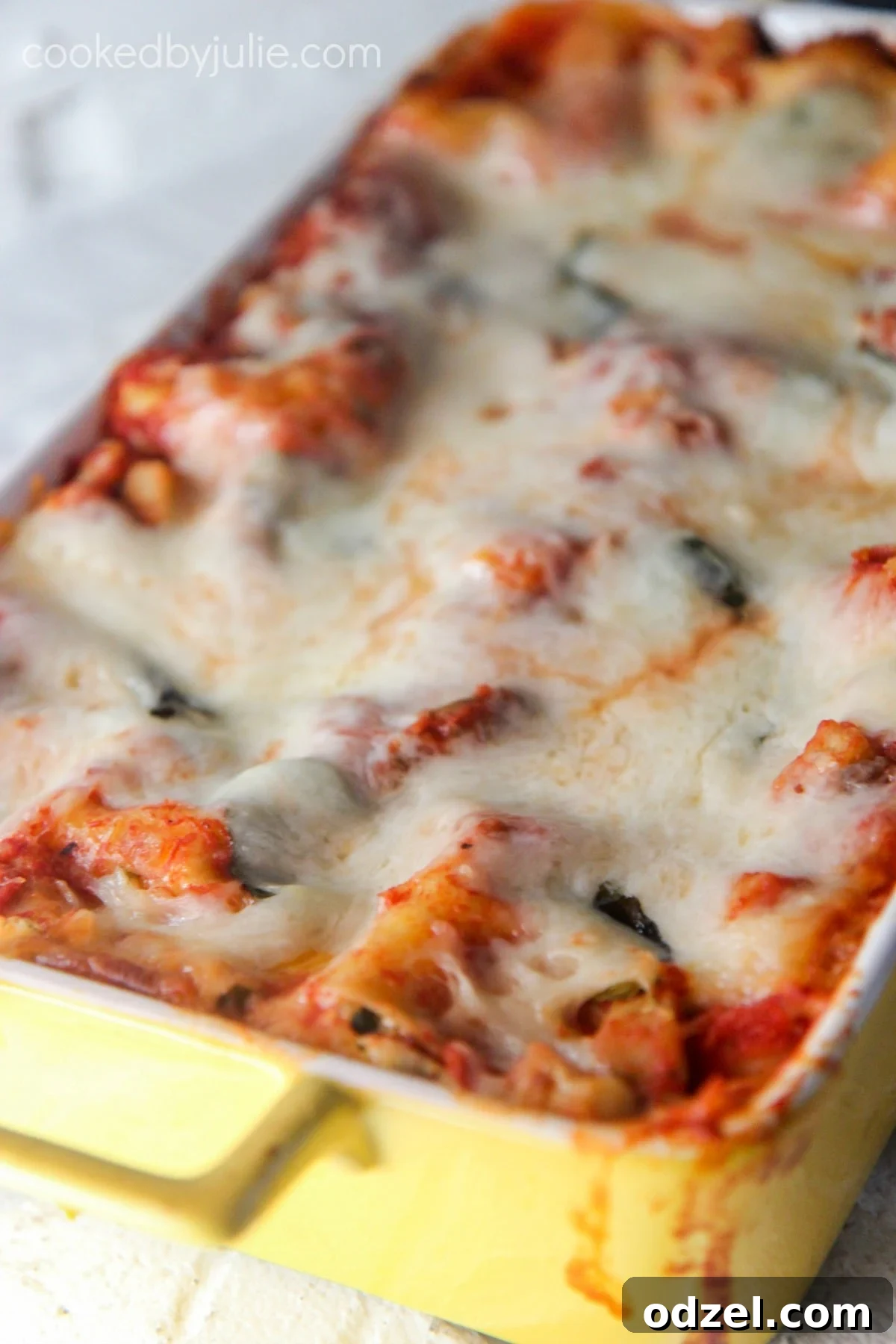
Vegetable Lasagna holds a special place in my culinary heart. It’s a dish that embodies both health and indulgence, proving that vegetarian meals can be incredibly satisfying and flavorful. While I adore a classic meat lasagna, the vegetable version offers a refreshing lightness without compromising on richness or depth of taste. This recipe stands out for its flexibility; you can easily adapt it with whatever fresh or even frozen vegetables you have on hand. However, for the most vibrant flavors and delightful textures, I always highly recommend using fresh produce when possible.
While a creamy bechamel sauce can certainly elevate a lasagna, I find that a simple crushed tomato sauce, bursting with natural sweetness and aromatic herbs, makes this recipe much more approachable and equally delicious. It’s a shortcut that doesn’t sacrifice flavor, allowing the fresh vegetables and cheeses to truly shine.
Why This Vegetable Lasagna Will Become Your Go-To Recipe
- Incredibly Versatile: This recipe is a fantastic foundation. While it’s designed for vegetables, it’s easily adaptable for meat lovers. Simply swap a portion of the vegetables for some browned ground beef, Italian sausage, or even a mix for a heartier dish that caters to all tastes.
- Fantastic Leftovers: Like many great pasta dishes, vegetable lasagna often tastes even better the next day! The flavors meld together beautifully overnight, making it an ideal make-ahead meal for busy weekdays or a delicious packed lunch.
- Effortlessly Feeds a Crowd: Lasagna is the quintessential potluck or family gathering dish. This recipe is designed to serve a large group generously, making entertaining simple and stress-free. It’s perfect for holidays, Sunday dinners, or any time you need to feed many hungry mouths.
- Packed with Nutrients and Flavor: Loaded with an abundance of wholesome vegetables like zucchini, squash, spinach, and mushrooms, this lasagna is not only incredibly flavorful but also rich in essential vitamins and fiber. It’s a delicious way to boost your vegetable intake without feeling like you’re eating “diet food.”
- Simple to Master: Don’t be intimidated by the layers! Our step-by-step instructions break down the process into easy, manageable parts, ensuring even novice cooks can create a masterpiece.
How to Make Homemade Vegetable Lasagna: A Step-by-Step Guide
Crafting this delightful vegetable lasagna is a rewarding experience. Follow these clear steps to achieve a perfectly layered and flavorful dish:
- Prepare Your Oven: Begin by preheating your oven to 400 degrees Fahrenheit (200 degrees Celsius). This ensures your lasagna bakes evenly from the moment it enters the oven.
- Sauté the Vegetables: In a large skillet, heat a tablespoon or two of olive oil over medium-high heat. Add your chopped onions, zucchini, yellow squash, and mushrooms. Cook these vegetables for about 5-6 minutes, stirring occasionally, until they start to soften and release their moisture. You want them tender-crisp, not mushy.
- Infuse with Aromatics: Stir in the fresh minced garlic and a pinch of red crushed pepper (if you like a little heat). Cook for an additional 30 seconds until the garlic becomes fragrant. Be careful not to burn the garlic.
- Season and Simmer the Sauce: Season the sautéed vegetables generously with salt and black pepper to taste. Pour in the crushed tomatoes and add 1 tablespoon of fresh basil. Stir everything together. Reduce the heat to low, cover the skillet, and let the sauce simmer gently for 20 minutes. This allows the flavors to meld beautifully.
- Prepare the Ricotta Mixture: While your sauce is simmering, grab a large mixing bowl. Combine the ricotta cheese, finely chopped fresh spinach, another tablespoon of fresh basil, one egg, and 2 tablespoons of grated parmesan cheese. Season this mixture with salt and pepper. The egg acts as a binder, helping the ricotta hold its shape during baking.
- Layer the Base: Spoon approximately 1 cup of your savory vegetable and tomato sauce mixture onto the bottom of a 9×13 inch baking dish. This prevents the pasta from sticking and creates a flavorful foundation.
- Assemble the Lasagna Layers: Now for the fun part – building your lasagna! Follow this order for perfect layers:
- A layer of your rich vegetable and tomato sauce.
- Arrange no-boil lasagna noodles over the sauce, breaking them if necessary to fit the dish.
- Generously spread a layer of your creamy ricotta and spinach mixture.
- Sprinkle 1-2 tablespoons of parmesan cheese over the ricotta.
- Top with a generous layer of shredded mozzarella cheese.
- Repeat these layers (sauce, noodles, ricotta, parmesan, mozzarella) until you run out of ingredients, ending with a final layer of sauce and mozzarella cheese on top.
- Bake to Perfection: Cover the baking dish tightly with aluminum foil. Bake in the preheated oven for 40 minutes. The foil helps steam the noodles and prevents the cheese from browning too quickly.
- Finish with a Golden Top (Optional): After 40 minutes, remove the foil and continue baking for another 10-15 minutes, or until the top is golden brown and bubbly. This creates that irresistible cheesy crust.
- Rest Before Serving: This step is crucial! Let the lasagna cool and rest for a minimum of 20 minutes after removing it from the oven. This allows the layers to set, preventing a messy collapse when you slice and serve.
- Serve and Enjoy: Slice into generous portions and serve your incredible homemade vegetable lasagna! It’s delicious on its own or paired with garlic bread and a fresh salad.
Choosing the Right Cheeses for Your Vegetable Lasagna
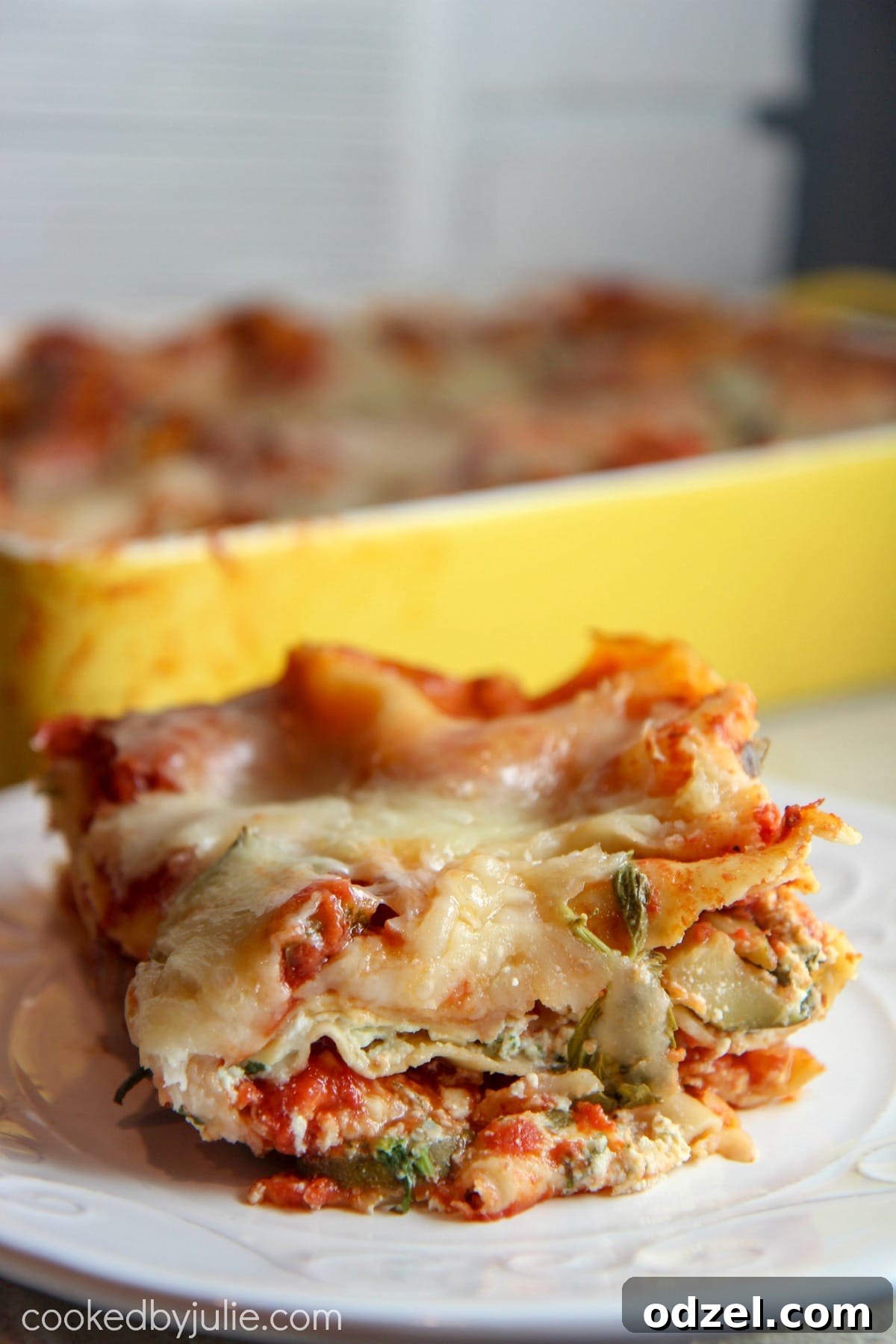
The cheese blend is paramount to a truly delectable lasagna. For this vegetable lasagna, I highly recommend a trio of mozzarella, ricotta, and parmesan cheese. Each plays a distinct role:
- Mozzarella: Provides that classic, gooey, stretchy texture and mild, milky flavor that everyone loves.
- Ricotta: Contributes creaminess and a slightly tangy richness to the filling, balancing the other flavors.
- Parmesan: Adds a sharp, salty, umami depth that enhances the overall savoriness of the dish.
However, feel free to experiment! If you’re feeling adventurous, you can incorporate other cheeses like provolone for an extra layer of meltiness, a touch of aged cheddar for a sharper bite, or even some smoked gouda for a unique flavor profile.
Make-Ahead and Storage Tips for Vegetable Lasagna
Vegetable lasagna is an excellent meal for meal prepping or preparing in advance, making it a lifesaver for busy weeknights or entertaining. Here’s how to handle it:
How to Freeze Vegetable Lasagna
Freezing lasagna is incredibly convenient. You have a couple of options:
- Freeze the Entire Pan (Unbaked): Assemble the lasagna as instructed but do not bake it. Cover the pan tightly with multiple layers of plastic wrap and then aluminum foil. Label with the date. It can be frozen for up to 2-3 months. When ready to bake, thaw in the refrigerator overnight, then bake as directed, possibly adding an extra 10-15 minutes to account for the chilled temperature.
- Freeze the Entire Pan (Baked): Bake the lasagna completely, then let it cool *completely* to room temperature. Cover tightly as above and freeze for up to 2-3 months.
- Freeze Individual Slices: Once the lasagna has baked and cooled completely, cut it into individual serving-sized slices. Wrap each slice tightly in plastic wrap, then aluminum foil, and place them in an airtight freezer-safe container or bag. This allows you to reheat just what you need, making quick meals incredibly easy.
Always ensure the lasagna is at room temperature before freezing to prevent ice crystal formation and maintain texture.
How to Reheat Vegetable Lasagna
Reheating is simple, whether from the refrigerator or freezer:
- From Refrigerator (Whole Pan): Preheat your oven to 350 degrees F (175 degrees C). Cover the lasagna loosely with foil and bake for about 30 minutes, or until thoroughly heated through and bubbly.
- From Refrigerator (Individual Slices): You can reheat individual slices in the microwave for 2-4 minutes, or in a preheated oven at 350 degrees F (175 degrees C) for 15-20 minutes.
- From Frozen (Whole Pan): If reheating a whole frozen lasagna, you can bake it directly from frozen (covered) at 375 degrees F (190 degrees C) for about 1 hour and 30 minutes, then uncover and bake for another 15-20 minutes until hot and bubbly. Or, thaw it overnight in the fridge and follow the refrigerated instructions.
- From Frozen (Individual Slices): Place frozen slices on a baking sheet, cover loosely with foil, and bake at 350 degrees F (175 degrees C) for 25-35 minutes, or until heated through. Alternatively, microwave for 4-6 minutes, checking halfway.
For an extra touch of deliciousness, sprinkle some fresh mozzarella or parmesan cheese on top during the last 10 minutes of reheating.
Frequently Asked Questions (FAQ)
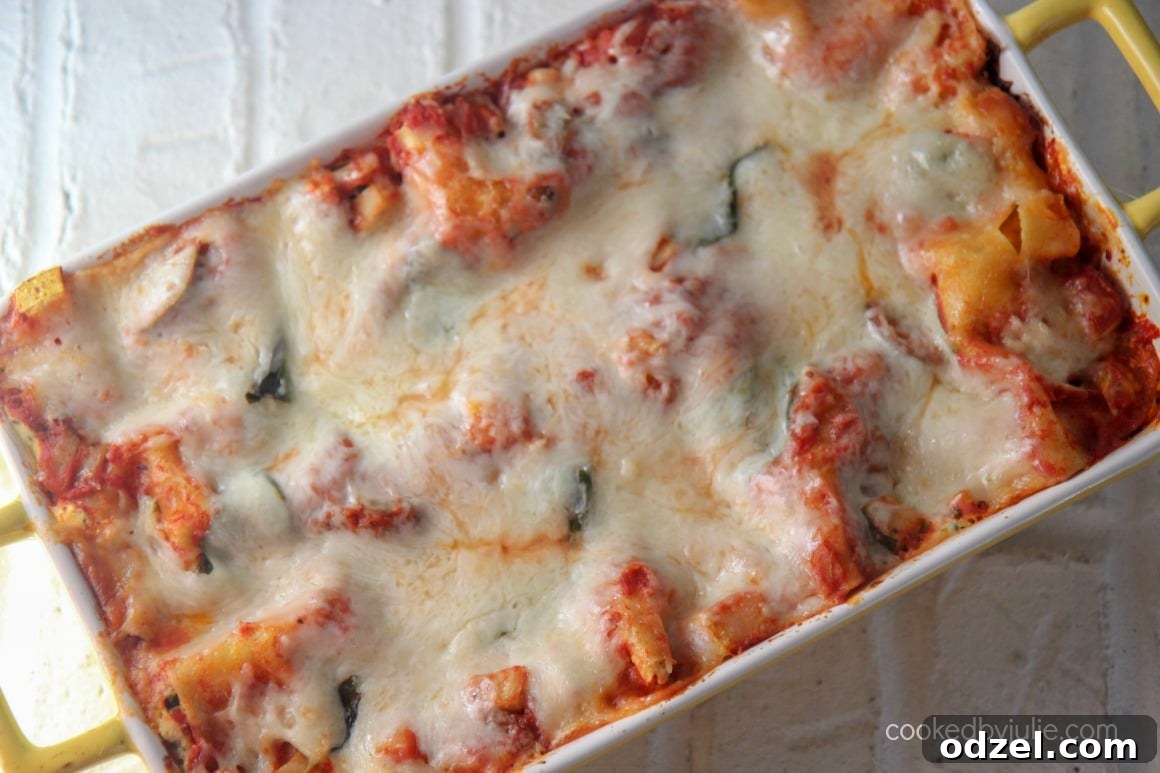
Here are answers to some common questions you might have about making this delicious vegetable lasagna:
Can I use regular lasagna noodles instead of no-boil?
Yes, you can! If using regular lasagna noodles, you’ll need to boil them al dente according to package directions before assembling the lasagna. Make sure to lay them out flat on parchment paper or a clean surface after boiling to prevent them from sticking together. No-boil noodles are a great convenience, but traditional noodles work perfectly too.
What other vegetables can I add to my lasagna?
The beauty of vegetable lasagna is its adaptability! Feel free to add thinly sliced eggplant (pre-salted and drained to remove bitterness), bell peppers, finely diced carrots, broccoli florets, kale, or even asparagus. Just make sure to pre-cook denser vegetables slightly before adding them to the sauce to ensure they soften adequately during baking.
Can I make this lasagna gluten-free or low-carb?
Absolutely! For a gluten-free version, simply use your favorite brand of gluten-free lasagna noodles. For a low-carb option, you can replace the pasta sheets with thinly sliced zucchini planks, eggplant slices, or even cabbage leaves (as seen in my Cabbage Lasagna recipe). Just ensure these vegetable alternatives are salted and drained to remove excess moisture before layering.
How long does fresh vegetable lasagna last in the refrigerator?
Properly stored in an airtight container, leftover vegetable lasagna will last for 3-4 days in the refrigerator. It’s best to allow it to cool completely before transferring to a container for storage.
Why is resting the lasagna important?
Resting the lasagna after baking is a crucial step that many skip, but it makes a big difference! During baking, the cheeses and sauce are very hot and fluid. Allowing it to rest for at least 20 minutes gives the layers time to set, the cheeses to firm up slightly, and the sauce to thicken. This results in cleaner slices that hold their shape better and are less likely to fall apart when served.
More Delicious Recipes You’ll Enjoy
If you loved this vegetable lasagna, be sure to explore more of my hearty and comforting pasta dishes:
-
Ultimate Lasagna
-
Cabbage Lasagna (Low-Carb)
-
Cajun Lasagna
-
Rigatoni Al Forno
You can find more delicious recipes and cooking tutorial videos on my YouTube channel and Facebook page.
Vegetable Lasagna Recipe
A delicious hearty lasagna made with layers of fresh vegetables and lots of cheese!
Recipe Details
- Author: Julie Maestre
- Prep Time: 15 minutes
- Cook Time: 1 hour
- Total Time: 1 hour 15 minutes
- Servings: 8 servings
- Course: Entree
- Cuisine: Italian American
- Keyword: Vegetable Lasagna, Vegetarian Lasagna
Ingredients
- 1 box no boil lasagna noodles
- 28 ounces crushed tomatoes
- 32 ounces ricotta cheese
- 1 egg
- 2 cups fresh spinach, finely chopped
- 1 zucchini, chopped
- 1 squash, chopped
- 1 small onion, chopped
- 4 garlic cloves, minced
- 1 cup mushrooms, sliced
- 1/4 cup fresh basil, chopped
- 4 cups mozzarella cheese, shredded
- 1/2 cup parmesan cheese, grated
- 1 tsp red crushed pepper, optional
- 1 tsp Italian seasoning, optional
- Salt and pepper to taste
Instructions
- Preheat oven to 400 degrees F (200 degrees C).
- Heat oil in a large skillet and cook the onions, zucchini, squash, and mushrooms for 5-6 minutes over medium-high heat until softened.
- Stir in the fresh minced garlic and red crushed pepper (if using), cook for an additional 30 seconds until fragrant.
- Season the vegetables with salt and pepper. Add the crushed tomatoes and 1 tbsp fresh basil. Season with salt and pepper again. Reduce the heat to low, cover, and cook for 20 minutes.
- While the sauce cooks, in a large bowl, mix the ricotta cheese, spinach, 1 tbsp basil, egg, 2 tbsp parmesan cheese, salt, and pepper until well combined.
- Spoon about 1 cup of the vegetable and tomato mixture onto the bottom of a 9×13 baking dish to create a base.
- Assemble the lasagna in this order, repeating layers: Sauce, no-boil noodles, ricotta mixture, 1-2 tbsp parmesan cheese, mozzarella cheese. Continue layering until all ingredients are used, ending with a final layer of sauce and mozzarella cheese on top.
- Cover the baking dish tightly with aluminum foil and bake for 40 minutes.
- Remove the foil and bake for an additional 10-15 minutes, or until the cheese is melted and bubbly and golden brown.
- Let the lasagna cool for a minimum of 20 minutes before slicing and serving. This allows the layers to set.
- Serve with garlic bread if desired and enjoy!
Video
Nutrition Information
(Nutrition information is automatically calculated, so should only be used as an approximation per serving.)
- Calories: 506 kcal
- Carbohydrates: 29g
- Protein: 32g
- Fat: 30g
- Saturated Fat: 18g
- Cholesterol: 130mg
- Sodium: 709mg
- Potassium: 994mg
- Fiber: 5g
- Sugar: 8g
- Vitamin A: 12125 IU
- Vitamin C: 37.2mg
- Calcium: 704mg
- Iron: 3.7mg